 By Classic Oldies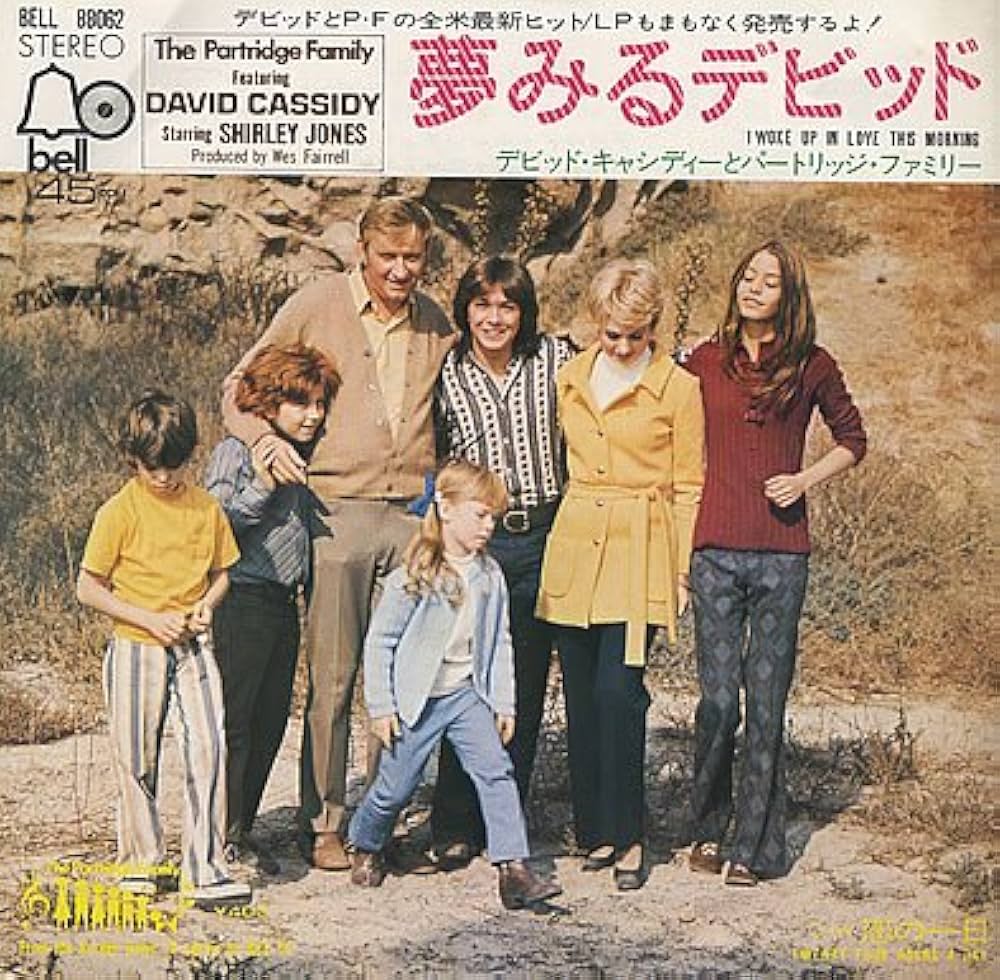
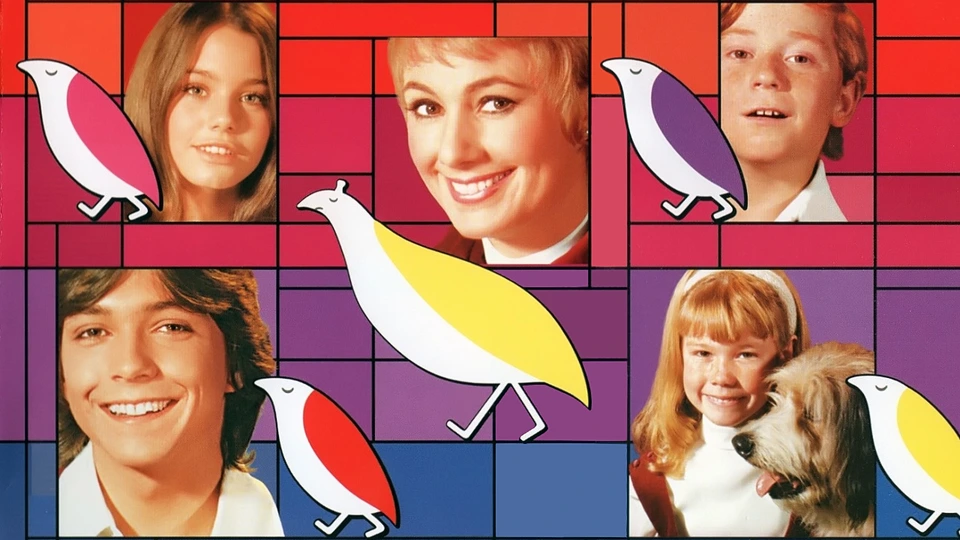
A bright pop confession, I Am a Clown carries the ache of a performer who keeps smiling while quietly revealing how lonely the act can become.
For many listeners who still connect everything to the golden glow of The Partridge Family, I Am a Clown feels like a song that peeks behind the cheerful television curtain. It is closely tied to David Cassidy, the young voice and face at the center of that cultural storm, and that is part of what gives the song its unusual emotional power. Unlike the franchise’s best-known American chart smashes, I Am a Clown was not one of the major Billboard Hot 100 hits that defined The Partridge Family in the United States. In that sense, its chart story is modest: it did not stand alongside the group’s giant U.S. singles such as I Think I Love You, which reached No. 1, or Doesn’t Somebody Want to Be Wanted, which climbed to No. 6. Yet that very lack of overexposure has helped the song age in a different, more intimate way.
What makes I Am a Clown memorable is not commercial noise but emotional suggestion. On the surface, it belongs to that polished early-1970s pop world so many listeners still remember instantly: clean melody, a carefully shaped arrangement, and a lead vocal built to connect on first hearing. But beneath that smooth production lies something more vulnerable. The title alone says everything. A clown is someone who performs, distracts, brightens the room, keeps the show moving. At the same time, the clown is one of pop culture’s oldest symbols of hidden sadness. That tension is exactly where the song lives.
And when David Cassidy sings those feelings, the message lands harder than it might have in another voice. By the time this recording belonged to his early-1970s image, he was already carrying the impossible pressure of being both a television character and a real young man in front of millions. Fans saw the smile, the hair, the charm, the magazine covers, the frenzy. Songs like I Am a Clown hinted that the person inside the phenomenon understood the difference between entertaining people and being fully known by them. That is why so many longtime listeners return to it with a different kind of affection than they bring to the more obvious sing-along hits.
There is also something quietly brave about the writing. Instead of presenting romance in the usual teen-pop language of certainty and devotion, the song leans into self-awareness. It suggests a narrator who feels trapped inside a role, as though he has become too practiced at making everyone else comfortable. That emotional idea gave the song a deeper afterlife. What may have sounded at first like polished pop now feels almost like a confession in costume. The character in the lyric is still performing, still speaking in a tuneful, approachable way, but the heart of the song is about distance, disguise, and the exhausting need to keep up appearances.
That is where the song connects so strongly to the broader Partridge Family era. The television series sold warmth, harmony, family fun, and an easy musical glow. It was expertly made entertainment, and for many people it remains one of the sweetest pop-cultural memories of its time. But I Am a Clown reminds us that the early-1970s Cassidy world also contained another layer: the beginning of adult feeling inside youth-oriented pop. Listeners could hear innocence on the surface and strain underneath it. The smile was still there, but it had become more complicated.
Musically, the song is effective because it never oversells its sadness. It stays melodic and accessible, which makes the underlying ache more believable. The arrangement does not collapse into melodrama. Instead, it keeps moving with that familiar studio grace associated with the Cassidy years, allowing the vocal to do the quiet revealing. That was often the secret of the best recordings surrounding David Cassidy: the production invited you in, but the voice gave the song its human weight. In I Am a Clown, he sounds less like a manufactured idol than a young performer trying to make sense of the role the world has handed him.
Another reason the song endures is that its meaning has widened with time. In its original moment, it could be heard simply as a catchy, slightly wistful pop number from the orbit of a beloved star. Today, it feels larger. It speaks to anyone who has ever learned how to look cheerful while carrying something unspoken. It speaks to the strange burden of public expectation. And for listeners who remember the height of The Partridge Family, it can also feel like one of those songs that accidentally told the truth before everyone fully realized it was being told.
So even without the towering U.S. chart peak of the most famous Partridge Family records, I Am a Clown holds a secure place in the emotional history of that era. It is not treasured because it dominated the radio in the obvious way. It is treasured because it reveals something that the brighter hits only hinted at. In a catalog built on sparkle, this song offered reflection. In a career surrounded by applause, it allowed a flicker of loneliness to enter the room. And decades later, that honesty is exactly why it still lingers.
If you came to it expecting a simple period piece, I Am a Clown leaves a stronger impression than that. It stands as one of those recordings from the David Cassidy and Partridge Family world that grows more poignant the older it gets. The melody is gentle, the presentation remains elegant, but the emotion underneath is unmistakable. It is the sound of a smiling era catching sight of its own shadow, if only for a few unforgettable minutes.