 By Classic Oldies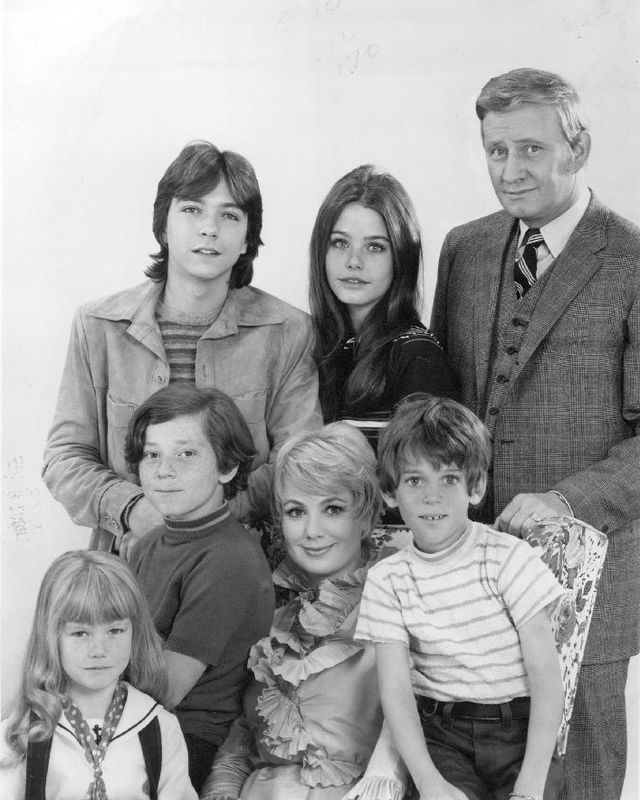
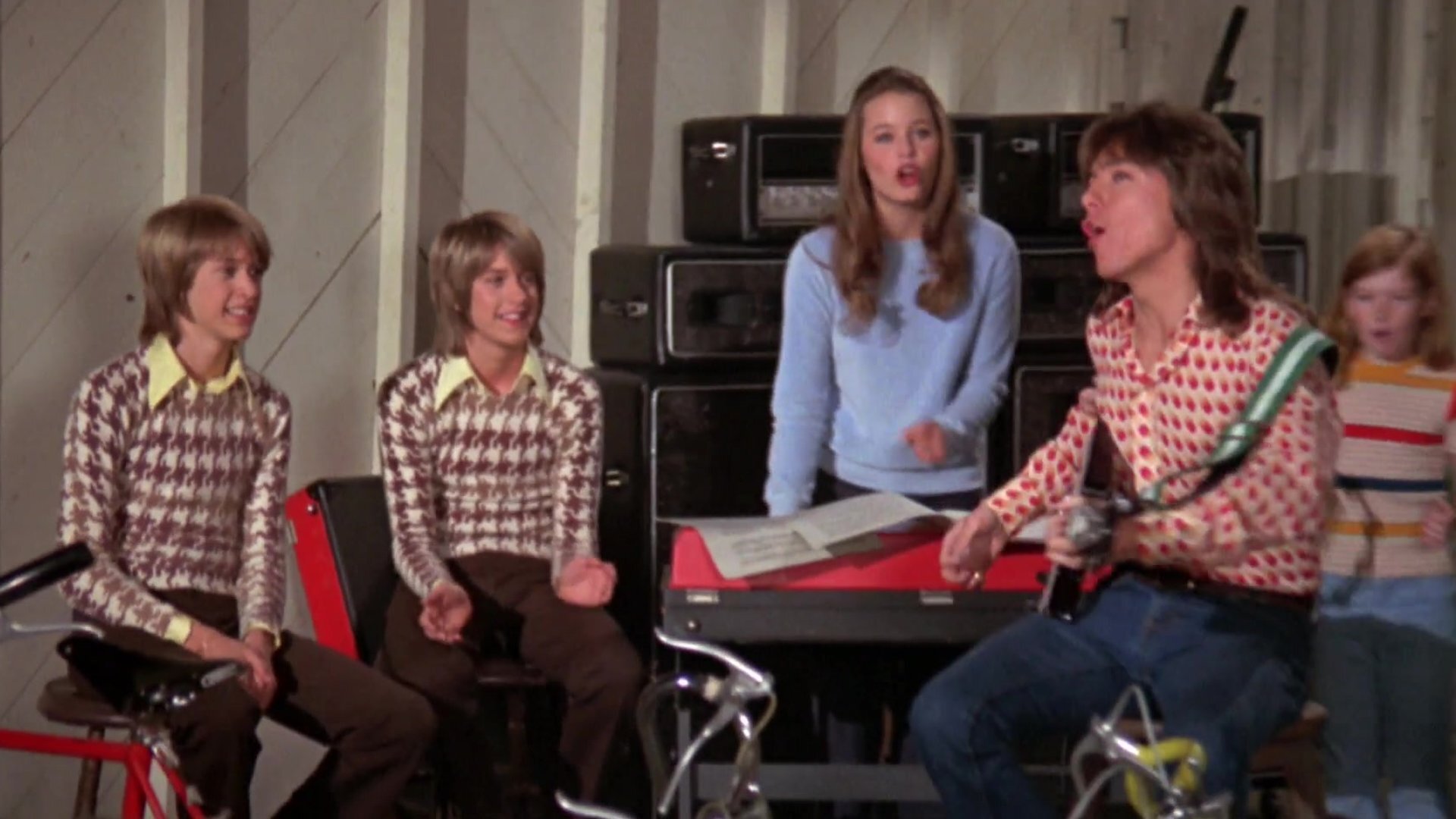
A soft-spoken love song from another era, If I Didn’t Care let The Partridge Family move past bright television pop and touch something older, gentler, and quietly unforgettable.
Not every memorable recording by The Partridge Family arrived with the force of a chart-topping single. Some stayed with listeners for a different reason. If I Didn’t Care belongs to that second category: a song that may not sit beside the group’s biggest Billboard moments, yet reveals something deeply appealing about their musical identity. It was never one of the act’s headline Hot 100 smashes in the way I Think I Love You was when it reached No. 1 in late 1970, or the way Doesn’t Somebody Want to Be Wanted climbed to No. 6 in 1971. Instead, If I Didn’t Care has endured as a graceful album-era performance, one that shows how the group could step into older American songcraft without losing the warmth that made them so beloved.
That matters, because If I Didn’t Care already carried a long and distinguished history before The Partridge Family ever touched it. Written by Jack Lawrence and first immortalized by The Ink Spots in 1939, the song was one of the great romantic standards of the pre-rock era. Its power has never depended on drama. It is not a song of shouting devotion or theatrical heartbreak. It works because of restraint. The lyric says, in essence, that feeling proves itself through tenderness, constancy, and emotional honesty. It asks a simple question—what would all these gestures mean if love were not real?—and in that question it says almost everything.
When The Partridge Family recorded it, they did not try to modernize the song beyond recognition. That was the wise choice. The recording keeps the emotional center intact while placing it inside the smoother, more radio-friendly textures associated with the group’s early-1970s sound. There is a polished softness in the arrangement, the kind of careful studio glow that defined so much of their catalog. And at the center is the familiar voice most listeners connected with the group’s records: David Cassidy, whose phrasing could be youthful and inviting without sounding careless. For a song like this, that balance was essential. Too much polish and the song would lose its ache. Too much sentiment and it could tip into nostalgia for its own sake. The Partridge Family version avoids both traps.
That is one reason the recording feels more substantial than people sometimes expect from a group so closely tied to television. It is easy, decades later, to reduce The Partridge Family to bright colors, a famous bus, and the cheerful machinery of pop culture. But the records often had more craft than the casual summary allows. Behind the sitcom image stood skilled producers, expert Los Angeles session players, and a real instinct for melody. On If I Didn’t Care, that instinct is easy to hear. The song is treated with respect. No one is rushing to make it trendy. No one is trying to bury its age. Instead, the group lets the melody breathe, and that decision gives the recording its quiet dignity.
The song’s meaning remains timeless because it speaks in the language of assurance. If I Didn’t Care is not about the thrill of first attraction alone. It is about proof. It is about the small signs that reveal sincerity: a thought that lingers, a feeling that returns, a devotion that does not need a grand speech to be believed. In a pop world often built on urgency and excitement, this song makes room for steadiness. That may be why it still lands so gently but so firmly. It understands that love can be most convincing when it is calm.
What makes The Partridge Family version especially touching is the contrast it carries within itself. Here was a thoroughly modern early-1970s pop phenomenon, born from network television and youth-market energy, pausing long enough to revisit a song first made famous in 1939. That contrast could have felt awkward. Instead, it feels strangely natural. The bridge between those eras is melody itself. A good song survives changing fashions, changing recording techniques, and changing audiences. If I Didn’t Care survives because the emotional truth in it is too simple to date and too sincere to dismiss.
And perhaps that is the deeper story behind the performance. It reminds us that The Partridge Family was never only about the obvious hits. Yes, the group’s major chart records helped define an era of AM radio and pop television. Yes, the biggest singles earned the headlines. But album tracks and lesser-discussed recordings often reveal the personality beneath the phenomenon. In If I Didn’t Care, one hears not just a successful pop franchise revisiting an old standard, but a moment of musical conversation between generations. The song came from one American age and was carried into another, still able to stir the same tender recognition.
That is why the recording remains worth revisiting. It is warm without being sugary, nostalgic without being trapped in the past, and gentle without losing emotional weight. For listeners who knew the original, it offers a respectful new shading. For those who came to it through The Partridge Family, it opens a door backward into the deeper well of classic popular song. Either way, it leaves behind the same impression: sometimes the most lasting performances are not the loudest ones, but the ones that trust a beautiful song to do its work in a quiet voice.