 By Classic Oldies
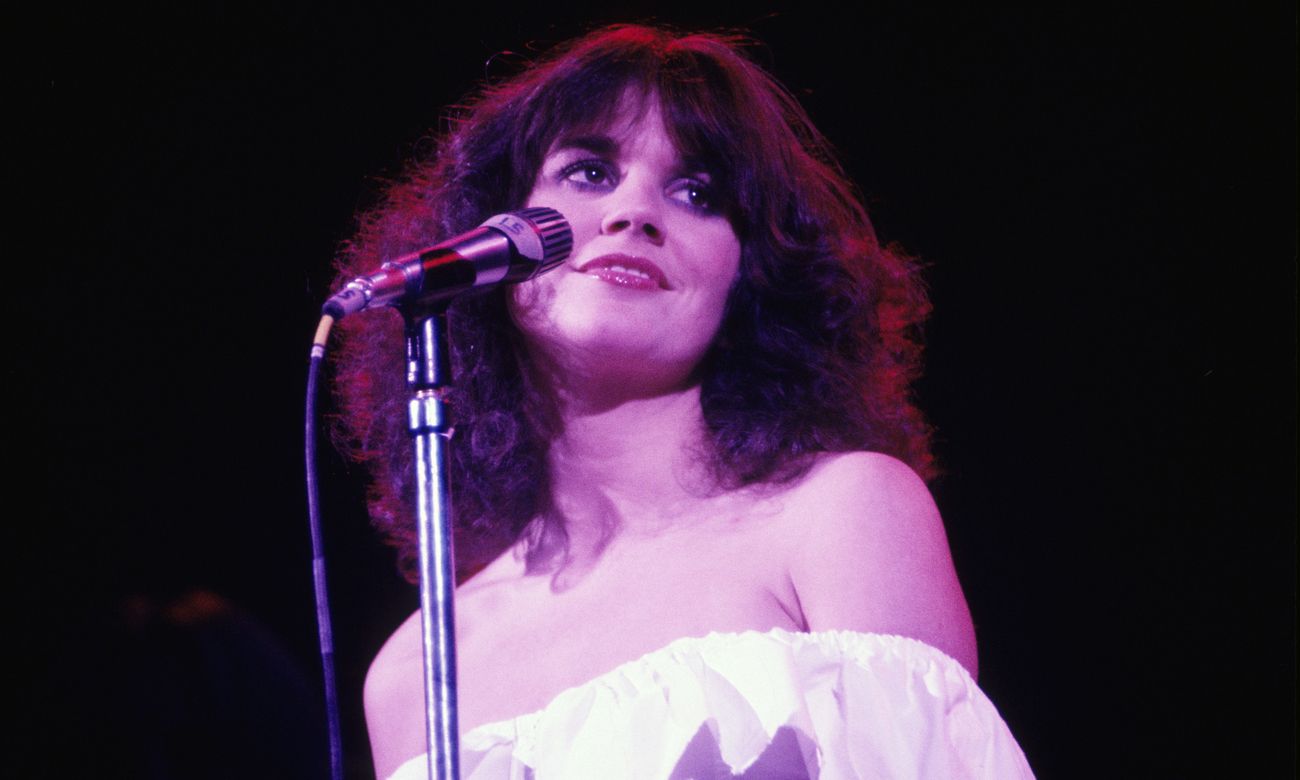
Desperado became something rare in Linda Ronstadt‘s hands: not merely a cover, but a tender reckoning with loneliness, pride, and the sorrow of waiting too long to be truly known.
When Linda Ronstadt recorded Desperado for her 1973 album Don’t Cry Now, she did more than interpret a promising new song. She gave it a different kind of life. Written by Don Henley and Glenn Frey for the Eagles‘ 1973 album Desperado, the song had already carried a mood of dust, distance, and emotional exile. But Ronstadt heard something even more intimate inside it. She heard not simply the myth of the lone outlaw, but the quiet pain of a person too guarded to accept love while there is still time.
What makes her version especially moving is that she was never far from the song’s origins. Before the Eagles became one of the defining American bands of the 1970s, Glenn Frey and Don Henley both worked with Ronstadt in her orbit, part of the Los Angeles country-rock world that was still taking shape. So when she sang Desperado, it did not feel like a fashionable cover chosen from a hit parade. It felt like a conversation carried across a shared musical family history. That closeness gives her performance a special authority. She sounds as if she knows the lonely soul in the lyric all too well.
From a chart standpoint, Desperado is one of those rare classics whose reputation far exceeds its original commercial footprint. The song was not a major Billboard Hot 100 hit for Ronstadt, and the Eagles’ original was not built around single-chart glory either. Yet Don’t Cry Now reached No. 45 on the Billboard 200, an important step in Ronstadt’s rise, and her recording of Desperado slowly became one of the most cherished performances associated with her name. That slow-burning journey is part of the song’s mystery. It was never just a radio victory. It became something deeper: a song people carried with them.
The meaning of Desperado has always been richer than its Western imagery. On the surface, the title suggests an outlaw figure, a drifter with no home and no master. But the true subject is emotional isolation. The song is addressed to someone hardened by habit, someone who keeps moving, keeps pretending, keeps holding back. It is a plea, not an accusation. Beneath the stillness of the melody lies one of popular music’s most humane ideas: pride can become a prison, and freedom can turn into another name for loneliness.
Ronstadt understood that tension beautifully. Where some singers might have leaned too heavily into the frontier imagery, she brought the song inward. In her voice, Desperado sounds less like a portrait of a legendary rebel and more like a late-night appeal to a wounded heart. She does not rush the emotion. She lets it gather. That was one of her great gifts as an artist. Even when her voice soared, it never seemed to chase applause. It searched for emotional truth. And in this song, truth arrives softly, with patience and ache.
There is also a fascinating contrast between the public image of Linda Ronstadt and the private emotional weather of this recording. By the mid-1970s, she would become one of the most successful voices in American popular music, a singer who could move between rock, country, pop, and torch song with astonishing ease. But on Don’t Cry Now, she was still on the edge of that explosion, still building the body of work that would soon make her a superstar. That gives her version of Desperado an added poignancy. It captures an artist in transition, already powerful, already unmistakable, yet still singing as if everything depends on honesty.
The story behind the song adds another layer. Henley and Frey wrote Desperado as part of the Eagles’ concept-driven exploration of outlaw mythology, drawing on the American West not just for scenery, but for symbolism. The outlaw became a stand-in for the modern soul that resists belonging. Ronstadt did not erase that idea; she refined it. She took the broad cinematic outline and found the human pulse inside it. In her hands, the song stops being only about a character and becomes about a condition many people understand: the fear of surrendering one’s carefully protected self.
That may be why the performance continues to resonate decade after decade. People return to Linda Ronstadt‘s Desperado not because it is grand or showy, but because it is emotionally exact. It recognizes that some of the saddest lives are not ruined by disaster, but by hesitation. Not by drama, but by distance. Ronstadt sings the song with compassion, as though she is trying to save someone without humiliating them. That balance is difficult to achieve, and it is one reason the recording has endured with such grace.
In the end, Desperado remains one of those songs that reminds us how a great interpreter can alter the fate of a composition. The words were written by Don Henley and Glenn Frey. The song first belonged to the Eagles. But Linda Ronstadt gave it a different emotional residence. She made it warmer, sadder, and somehow closer. Long after chart numbers faded into the background, her version stayed behind like a voice in an empty room, asking one simple, devastating question: how long can a heart stay guarded before it misses the life meant for it?