 By Classic Oldies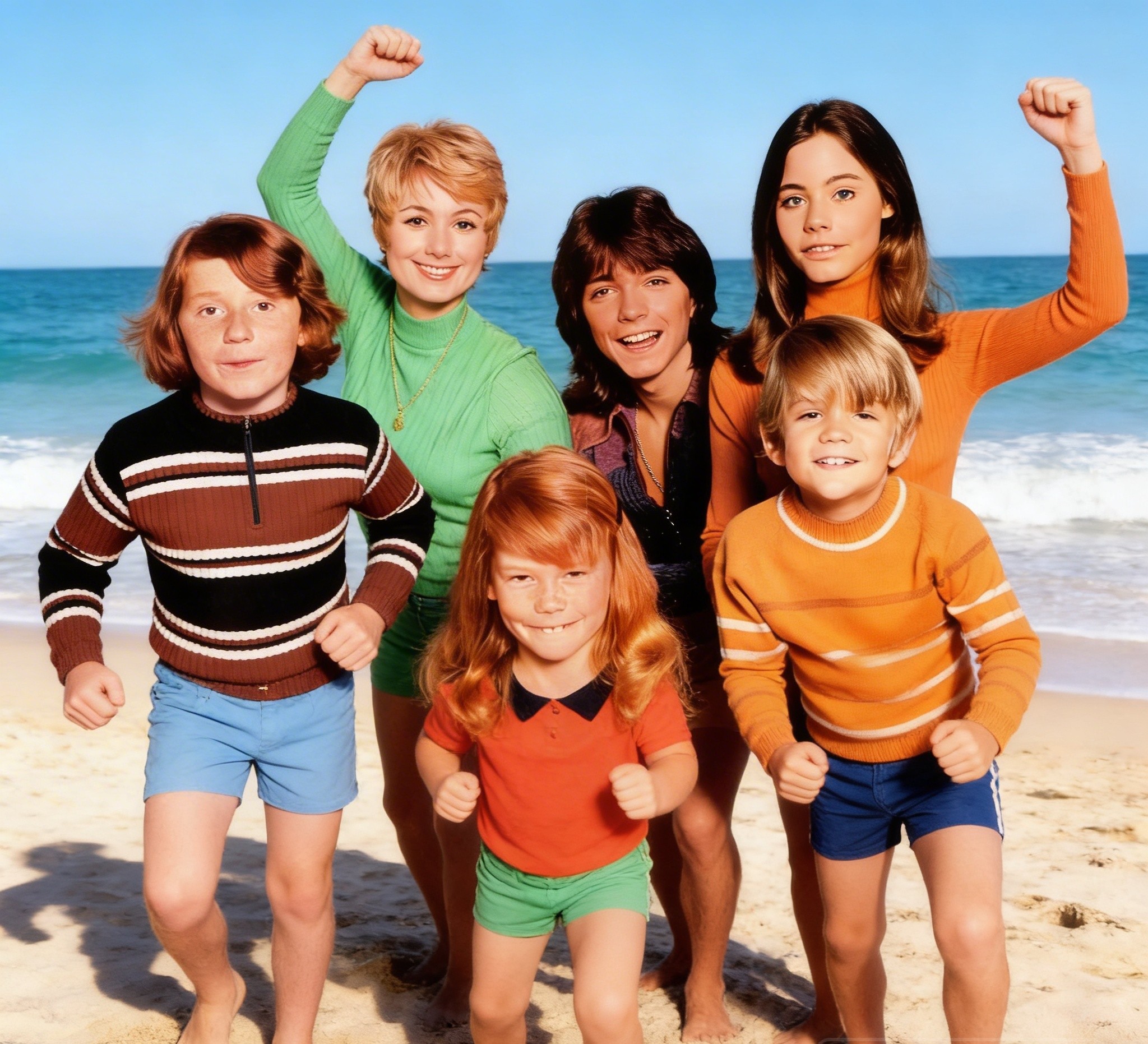
Money Money sounds like a cheerful pop rush on the surface, but beneath its bounce is the familiar ache of wanting more from life, love, and the moment before it slips away.
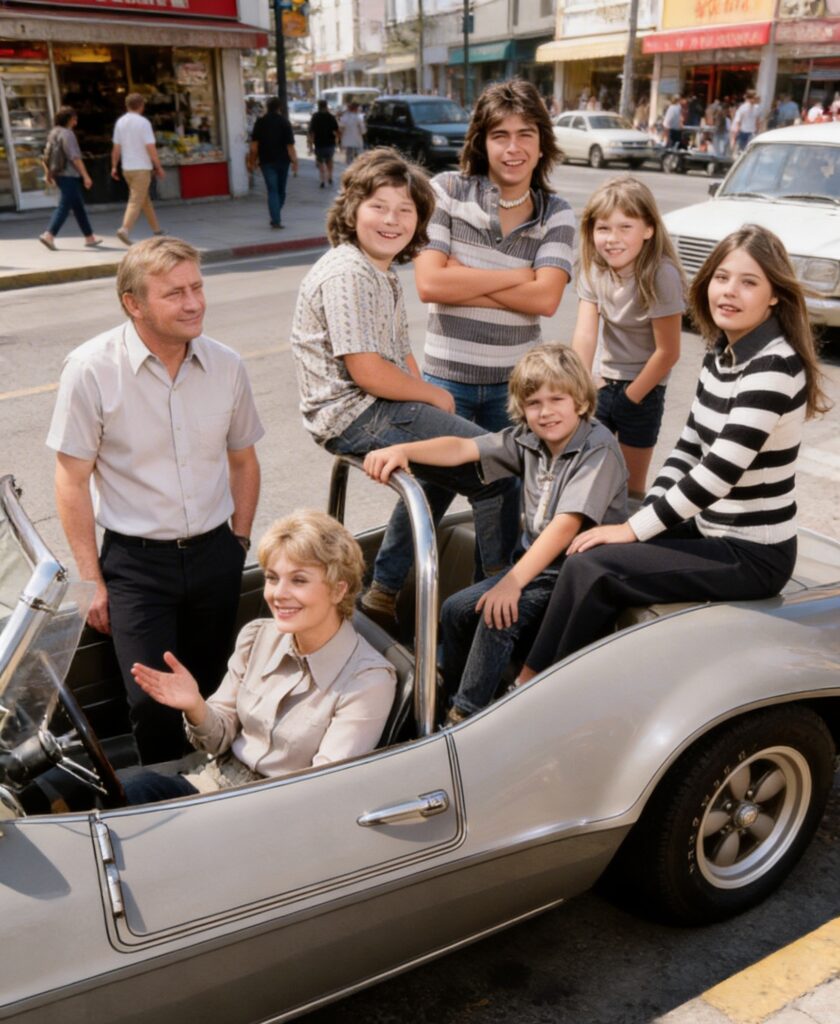
When The Partridge Family released Money Money in 1971, they were already one of the most recognizable pop phenomena of the early television age. The single climbed to No. 27 on the Billboard Hot 100, a solid showing that confirmed just how strong the group remained with young listeners and radio programmers alike. By that point, the name The Partridge Family meant more than a sitcom. It had become part of the weekly rhythm of American pop culture, a bright, fast-moving blend of family-friendly television, polished studio craft, and the unmistakable voice of David Cassidy.
That is one reason Money Money still carries a special kind of charm. It belongs to that brief, glittering period when pop songs could feel innocent and urgent at the same time. The arrangement moves with real snap, built for radio, but it never sounds stiff or mechanical. Like many of the group’s best-known recordings, the record was produced by Wes Farrell, whose instincts for commercial melody and teen-pop momentum were central to the group’s success. And as always, David Cassidy gave the material its human center. He did not merely sing these songs; he gave them a pulse, a little lift of emotion that could make even a very catchy single feel personal.
That detail matters when talking about Money Money, because the title can easily suggest something harder or more cynical than the song actually is. This is not a bitter social statement about wealth, nor is it a heavy-handed protest record. Instead, it feels closer to a burst of restless wanting, the sound of youth in motion, where desire is never entirely about one thing. In pop music of that era, words like money, love, dreams, and freedom often overlapped in spirit. What listeners hear in Money Money is less a sermon about cash than a feeling of appetite, momentum, and chasing after something just beyond reach. That is part of why the song still feels alive. Its emotional engine is not greed. It is longing dressed in bright colors.
There is also something revealing about where the song sits in the larger Partridge Family story. By 1971, the television series had already helped turn the fictional family band into a real commercial force. But behind the scenes, the records were made with seasoned Los Angeles studio musicians, while the public face of the act rested largely on Shirley Jones and especially David Cassidy. That split between image and recording reality has often been discussed by music historians, yet it should not distract from how effective the records were. Money Money is a good reminder that well-crafted pop is never something to dismiss casually. It takes discipline to make a song feel this easy. It takes taste to make brightness sound sincere rather than disposable.
Listen closely now, all these years later, and what stands out is the song’s velocity. It moves like a piece of 1971 itself, quick, colorful, optimistic, and a little breathless. There is no unnecessary weight in it. The hooks arrive cleanly, the rhythm keeps things airborne, and the vocal rides the top of the arrangement with that unmistakable Cassidy combination of confidence and vulnerability. He had a gift for sounding as though he was smiling and straining at the same time. That quality gave many Partridge Family singles their emotional afterglow. They were catchy records, yes, but they also carried traces of impatience, yearning, and the sadness that often hides inside upbeat pop.
In that sense, the meaning of Money Money has only deepened with time. Heard now, it can sound like a postcard from an era when pop still believed in sparkle, but it also hints at how quickly such moments pass. The song captures a world of AM radio, after-school television, and teen-magazine stardom, yet it does not remain trapped there. Its appeal survives because it taps into a feeling that never grows old: the wish for more, the chase, the rush, the sense that happiness is just one chorus away. That is why songs like this endure long after trends have faded. They preserve a mood, and with it, an entire emotional climate.
For longtime listeners, Money Money is not just another entry in the Partridge Family catalog. It is one of those records that proves how much emotional weather can live inside a three-minute pop single. It may arrive with a grin, but it leaves behind something softer and more reflective. The beat is bright, the performance is polished, and the memories it stirs are immediate. Yet underneath all of that is the quiet truth at the center of so much early-1970s pop: sometimes the songs that sound the lightest are the ones that hold time most tightly.