 By Classic Oldies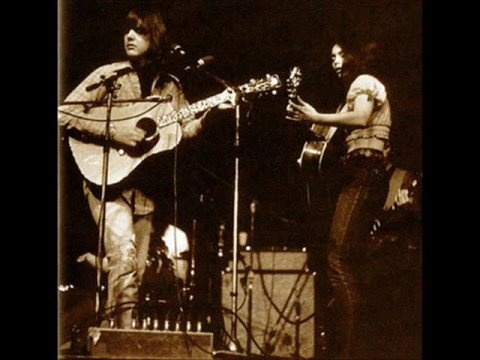
“Love Hurts” turns romance into a kind of quiet weathering—proof that tenderness can leave bruises, and that honesty is sometimes the only comfort left.
The version most closely associated with Emmylou Harris isn’t a glossy studio showcase built for radio; it’s a fragile, unforgettable duet recorded with Gram Parsons for his posthumous album Grievous Angel. The album was released in January 1974, and it peaked at No. 195 on the Billboard charts—hardly a commercial triumph, yet destined for a long, slow afterlife of reverence. “Love Hurts” was even issued as a single from the album in February 1974, but it did not become a major chart hit in the way later rock renditions would. That’s part of its story: this is not heartbreak packaged as spectacle, but heartbreak told plainly, as if sung to one person in a dim room after the party has ended.
The song itself long predates Parsons and Harris. Boudleaux Bryant wrote “Love Hurts”, and the Everly Brothers first recorded it in July 1960, introducing it as an album track on A Date with the Everly Brothers later that year. In its bones, it’s a simple statement—love scars, love wounds, love mars—so simple it almost feels too blunt to be art. And yet, generation after generation, singers keep returning to it, as if it were a small, durable mirror that never stops reflecting the same human truth.
What makes Emmylou Harris’s presence on the Parsons recording so haunting is the timing and the temperature of the performance. Grievous Angel was compiled from sessions recorded in summer 1973 and released four months after Parsons’ death in September 1973. That knowledge changes the air around every harmony. You can hear a young Emmylou—still early in the wider public’s awareness—singing with a steadiness that feels like both devotion and vigilance, as if her voice is holding the song upright. The track doesn’t plead for sympathy; it simply admits what people often hide: that love can be real and still be damaging.
This is the genius of “Love Hurts” when sung the way Harris sings it: not as melodrama, but as resignation with a pulse. Some performances of the song sound like a warning shouted from a rooftop. This one sounds like a confession offered from the edge of the bed—soft, weary, and unwavering. The lyric’s bluntness becomes its poetry. There’s no clever escape hatch in the writing, no comforting metaphor to dilute the blow. The words stand there like facts. And Emmylou’s tone—clear, unshowy, deeply human—keeps those facts from becoming cynical. It’s not “love is a lie.” It’s closer to: love is powerful enough to hurt you, and that doesn’t make it meaningless.
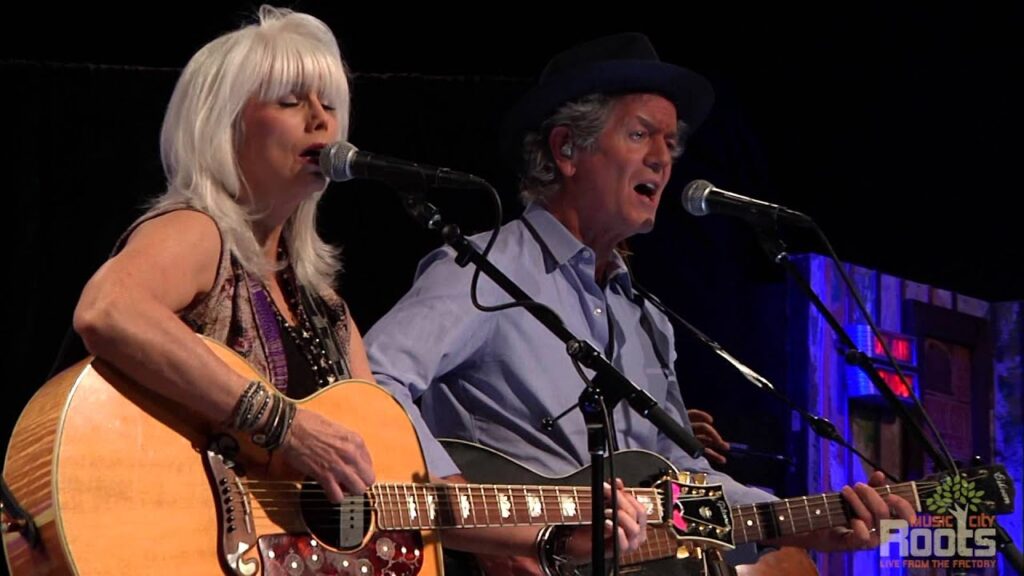
There’s also something quietly important in how this performance sits inside the wider mythology of both artists. Parsons championed a boundary-blurring country-rock spirit he called “Cosmic American Music,” and Grievous Angel is often described as a defining artifact of that approach. In that world, Emmylou Harris wasn’t merely a guest vocalist—she was a translator of feeling, someone who could take old forms and make them ache with immediate life. Wikipedia’s own summary notes that Parsons performed the song “in harmony with Emmylou Harris,” and that she continued performing it across her career, including on her 1998 live album Spyboy. That continuity matters. It suggests the song didn’t just happen to her; it stayed with her—like certain memories do—reappearing in new eras with the same bruise-colored truth.
In the end, Emmylou Harris’s “Love Hurts” is not defined by a peak chart position. It’s defined by endurance: the way a performance can outlive its moment, outlast its modest sales, and keep finding listeners who recognize themselves in a line they once thought was too simple to be profound. There’s a special kind of ache in songs that don’t try to win. They don’t flatter us, and they don’t promise redemption on schedule. They simply sit beside us and say: yes—this is what it felt like.