 By Classic Oldies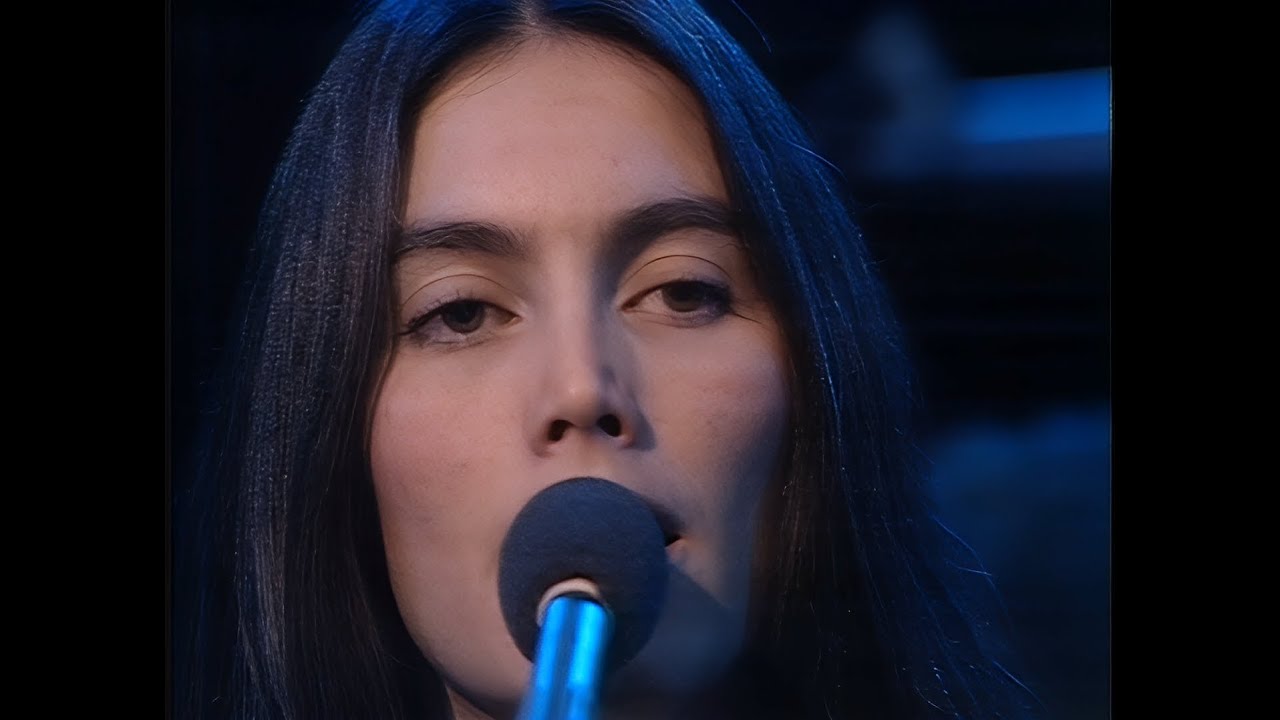
“Tragedy” is Emmylou’s quiet thunder—love breaking in slow motion, with no villains, only the hard gravity of what can’t be fixed.
“Tragedy” by Emmylou Harris isn’t the kind of song that arrives with fireworks and a chart-rush narrative. It arrives the older, deeper way—like a truth you recognize before you can explain it. The track was released on September 12, 2000 as Track 4 on her album Red Dirt Girl (Nonesuch Records), written by Emmylou Harris and Rodney Crowell, and running 4:25.
That album context matters immediately, because Red Dirt Girl was a turning point: it was widely noted as a significant departure for Harris precisely because she wrote or co-wrote 11 of the 12 songs, stepping out from her long-cherished role as a brilliant interpreter and into the full light of authorship. And the public didn’t turn away. The record reached No. 54 on the Billboard 200 and No. 5 on Billboard’s Top Country Albums chart, and it later won the Grammy Award for Best Contemporary Folk Album (2001).
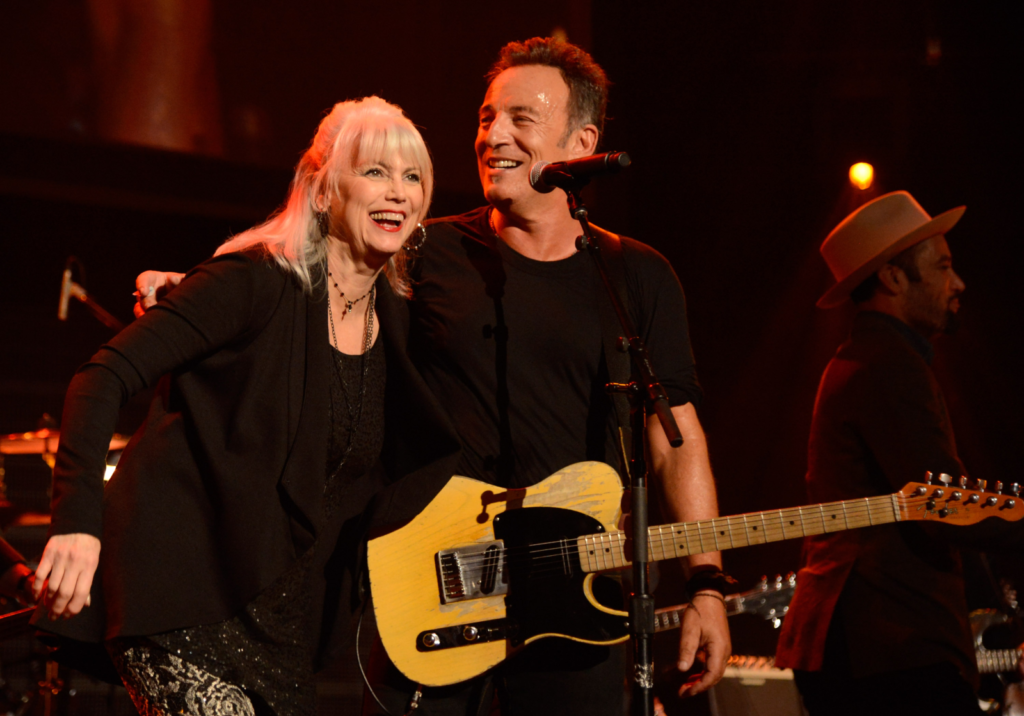
Now, here’s the detail that makes “Tragedy” feel almost like a whispered secret shared among old friends: the performance carries the glow of unexpected company. In the album credits, Patti Scialfa is listed on duet vocal, and Bruce Springsteen appears on harmony vocals, with the band anchored by Malcolm Burn (producer, multi-instruments), Ethan Johns, Daryl Johnson, and the aching steel of Buddy Miller. Even Nonesuch’s own album page highlights that constellation of voices—Springsteen, Scialfa, and others—gathered around Harris as she made what she called “a very meaningful record.”
But “Tragedy” doesn’t sound “star-studded.” It sounds human.
The title can mislead you if you expect melodrama. Harris and Crowell write tragedy the way grown lives tend to experience it—not as a single explosion, but as a slow accumulation: small missteps, unspoken grief, the wear of time on tenderness. The song moves with a careful, almost cinematic patience—piano and electric textures hovering like weather, the rhythm steady enough to feel inevitable. And over it, Harris sings with that unmistakable blend of clarity and ache: a voice that can be soft and still cut straight to the bone.
The presence of Scialfa and Springsteen is more than a credit-list curiosity; it changes the emotional geometry. Their voices don’t crowd the frame—they deepen it, like shadows behind a lamp. The duet element suggests intimacy, the private conversation that keeps going even after the public conversation has ended. And Springsteen’s harmony—so associated with American grit and moral gravity—lands here not as bravado, but as witness. The effect is tender and unsettling: as if the song is saying that tragedy isn’t “out there” in the sensational world; it can be right here in the room, wearing familiar clothes, speaking in a voice you love.
Placed where it is on Red Dirt Girl, “Tragedy” feels like a hinge. The album’s larger identity is memory—personal history told with novelistic detail—yet this track leans toward something universal: the quiet terror of realizing you may not be able to save what you cherish, even with love. That’s the mature heartbreak of the song: it doesn’t argue that love is powerless, only that love is not always enough to undo what life has already written.
So if “Tragedy” stays with you, it’s because it respects the listener. It doesn’t manipulate tears; it earns them. It offers no cheap lesson, only a kind of solemn companionship—one voice leading, others gathered close, all of them acknowledging the same hard truth: sometimes the most devastating stories are the ones told softly, because softness is how we survive them.