 By Classic Oldies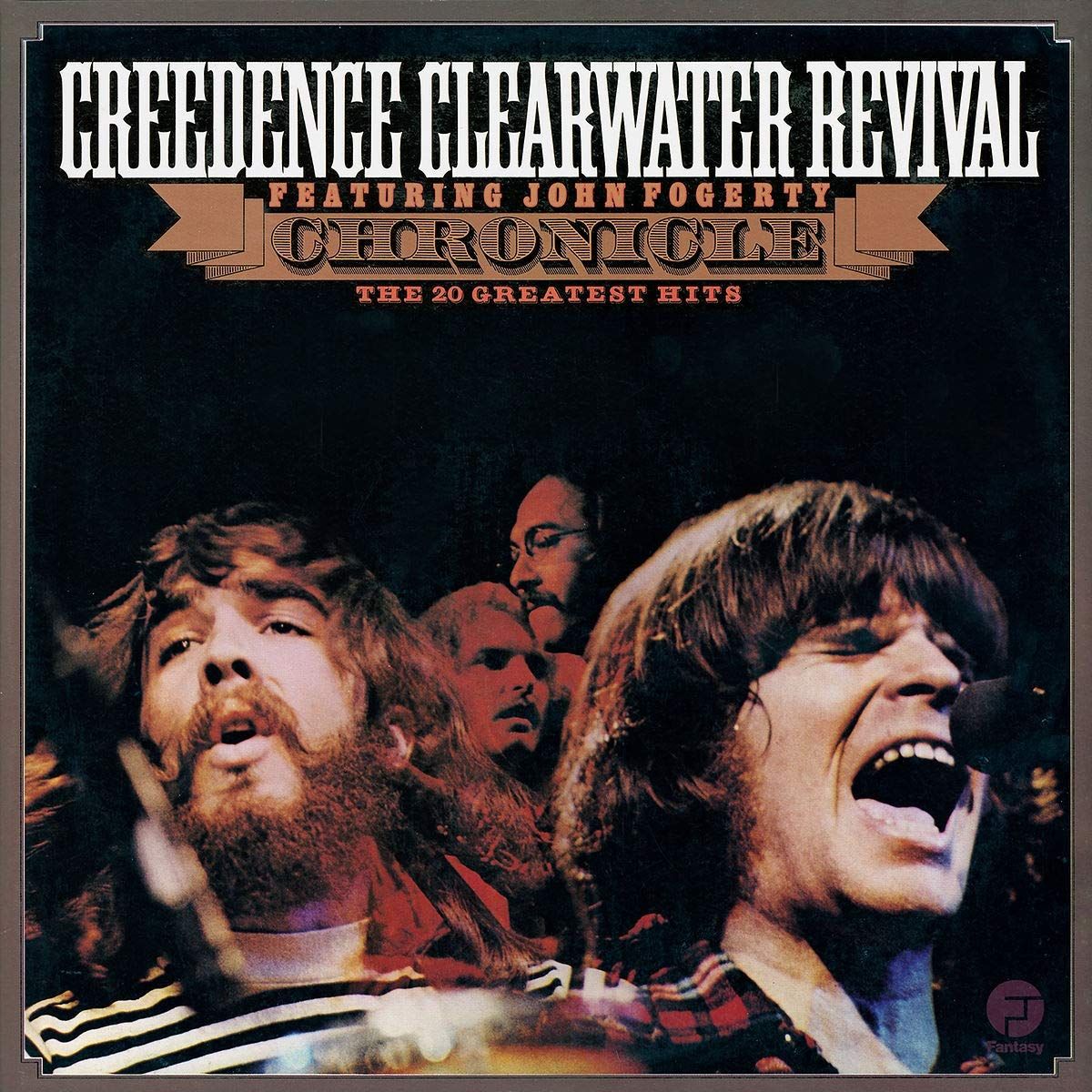
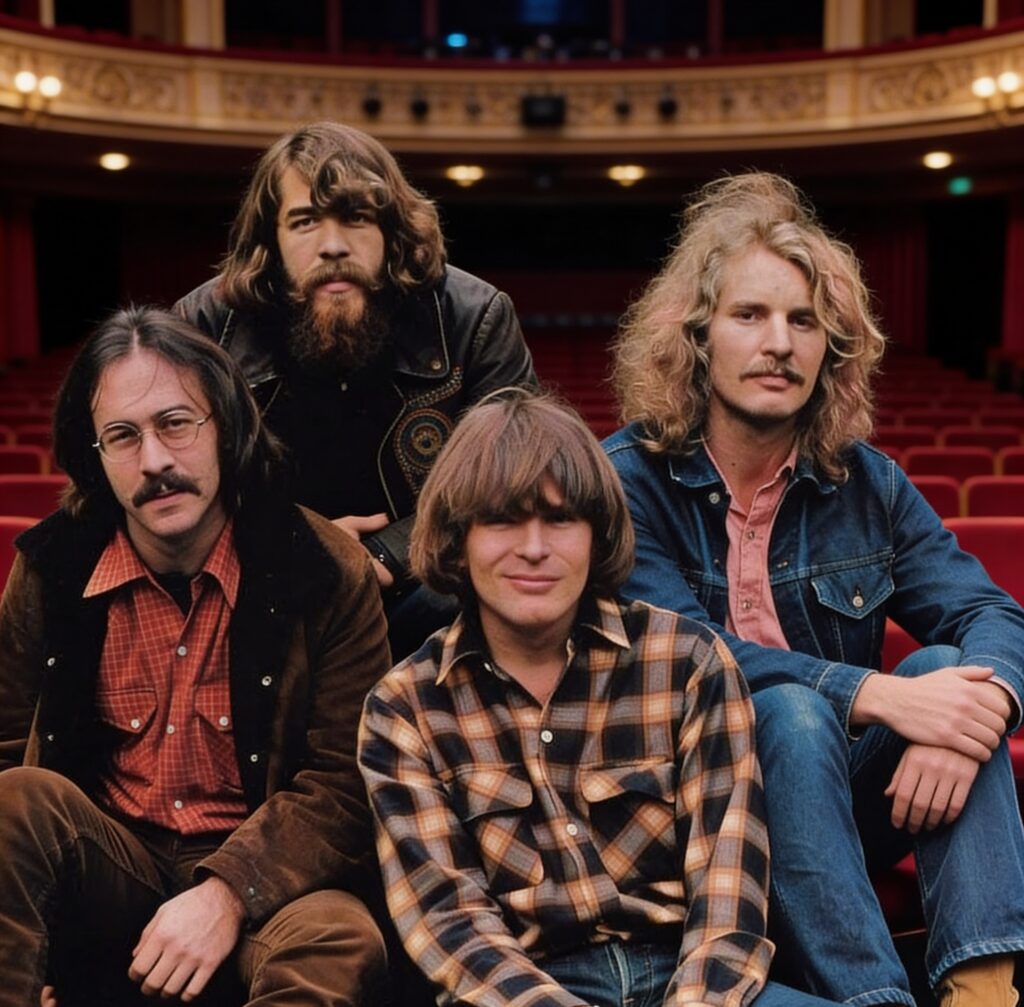
Bad Moon Rising may sound bright and singable on the surface, but beneath that brisk rhythm lies a warning song about chaos, dread, and the feeling that troubled weather is already on the horizon.
On April 14, 1970, Creedence Clearwater Revival walked onto the stage of Royal Albert Hall in London as one of the most efficient and unstoppable bands in the world. There was no theatrical excess, no indulgent stretching, no need for spectacle. They had songs, discipline, and a sound that seemed to arrive already fully formed. When they launched into Bad Moon Rising, London was not hearing a forgotten deep cut or a casual album track. It was hearing a modern standard, a song that had already burned its way into radio memory on both sides of the Atlantic.
That mattered, because Bad Moon Rising had been a major hit almost from the moment it appeared. Released as a single in April 1969 and later included on the album Green River, the song rose to No. 2 on the Billboard Hot 100 in the United States and reached No. 1 on the UK Singles Chart, where it stayed for three weeks. It also topped charts in several other countries, confirming what listeners already felt instinctively: this was one of those rare songs that sounded familiar on first hearing and permanent by the second. By the time CCR brought it to Royal Albert Hall in 1970, it was not simply popular. It belonged to the public.
And yet the magic of Bad Moon Rising has always lived in its contradiction. The melody feels open, catchy, almost buoyant. You can sing along to it with a smile. But John Fogerty wrote something far darker than its surface suggests. He was inspired in part by a scene from the 1941 film The Devil and Daniel Webster, in which a storm and a sense of disaster hang over the story. That image stayed with him, and he transformed it into a song filled with ominous signs: hurricanes blowing, rivers overflowing, trouble on the way. It is a warning song disguised as a jukebox favorite.
That contrast is exactly why the Royal Albert Hall performance remains so powerful. In a live setting, stripped of any studio polish, the song feels even more direct. John Fogerty sings it with that familiar clipped urgency, pushing the lines forward without wasting a syllable. Tom Fogerty locks in on rhythm guitar, Stu Cook keeps the low end firm and unshowy, and Doug Clifford drives the song with the kind of drumming that never begs for attention but never lets the pulse soften. What you hear is not nostalgia being manufactured. What you hear is a working band at full command.
There is also something especially fitting about this song landing so hard in London. British listeners had embraced Bad Moon Rising with particular enthusiasm, sending it all the way to the top of the charts. So when Creedence Clearwater Revival performed it at Royal Albert Hall, they were not just presenting an American hit overseas. They were playing a song that had already become part of British pop memory. In that sense, the performance carries a little extra electricity. The band knew it had an audience waiting for every line, and the audience knew it was hearing one of the defining singles of its era from the people who made it.
What gives this performance an even deeper layer is the strange history attached to the concert itself. For many years, fans believed they already had the famous Royal Albert Hall recording because an older live release had long been associated with that venue. But that turned out to be a mistake: the recording in question was actually from Oakland Coliseum on January 31, 1970. The real Royal Albert Hall concert from April 14, 1970 remained unheard officially for decades. When it was finally released in 2022 as At the Royal Albert Hall, alongside renewed attention from the documentary Travelin’ Band: Creedence Clearwater Revival at the Royal Albert Hall, listeners were able at last to hear the genuine London performance in its rightful place.
That long detour through confusion only adds to the emotional weight of Bad Moon Rising in this setting. It is a song about sensing that something is coming, about reading the sky before the storm breaks. And somehow its own live history carried a similar feeling of delay, mystery, and eventual revelation. The true performance was there all along, waiting for its proper moment to reappear.
Musically, the brilliance of the song remains astonishing. It is compact, memorable, and deceptively simple. Fogerty did not need grand symbolism or elaborate poetry. He used plainspoken imagery, sharp rhythm, and a melody that almost tricks the listener into missing the warning at the center. That is one reason the song has endured for generations. It speaks to anxiety without becoming heavy-handed, and it remains danceable without losing its tension. Few writers have balanced those two qualities so well.
At Royal Albert Hall, Creedence Clearwater Revival proved once again that their greatness was not built on myth. It was built on execution. Bad Moon Rising live in London sounds like four musicians who understood exactly what a song needed and refused to decorate it beyond that truth. In an age that often celebrated excess, CCR could say more in under three minutes than many bands could say in ten.
That is why this April 14, 1970 performance still resonates so deeply. It captures a great song, a great band, and a great venue at precisely the right moment. The hit itself had already conquered the charts, but the live version reminds us why those numbers mattered in the first place. Beneath the singalong chorus was always a darker message, and beneath CCR’s plain appearance was always extraordinary precision. In London, on that spring night, both truths met in full view.