 By Classic Oldies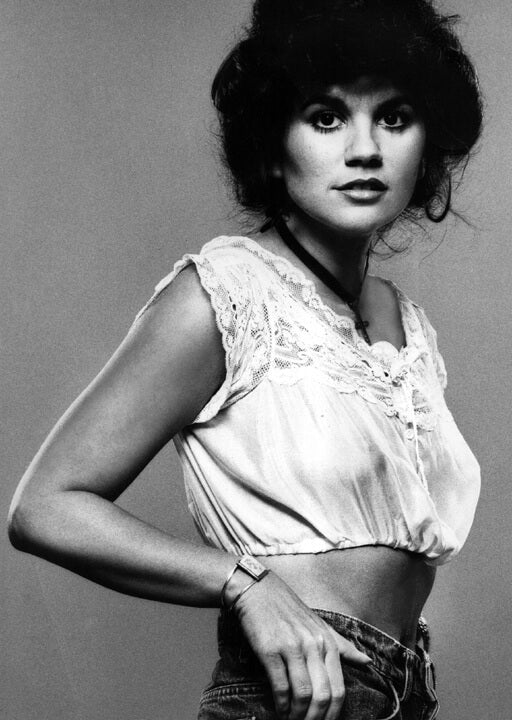

“A Dream Is a Wish Your Heart Makes” becomes, in Linda Ronstadt’s hands, a grown-up kind of hope—not a fairy-tale spell, but a steady little light you keep cupped in your palms when life gets dark.
In 1995, Linda Ronstadt recorded “A Dream Is a Wish Your Heart Makes” for Disney’s special-edition release Walt Disney Records Presents The Music of Cinderella, issued to coincide with the film’s home-video re-release. It’s not one of her classic-rock radio staples, yet it has a quietly remarkable chart footnote: her version did not enter the Billboard Hot 100, but it peaked at No. 1 on Billboard’s Bubbling Under Hot 100 Singles—effectively No. 101 overall—in October 1995. That tiny “almost” feels strangely perfect for this song: a lullaby about faith that doesn’t demand center stage, yet somehow finds its way into the public ear.
Disney’s album framing is also important. The 1995 special edition opens with newly recorded covers of Cinderella songs—beginning with Ronstadt singing the tune in English and in Spanish (the Spanish titled “Un Precioso Sueño”), alongside other guest performers. Some sources further note that Ronstadt recorded two versions for the project—English and Spanish—with added verses by David Pack, which subtly reshapes the familiar melody into something a little more expansive than the 1950 film moment.
To understand why Ronstadt’s reading lands with such emotional force, you have to remember what the song originally was: a piece of Tin Pan Alley craft written by Mack David, Al Hoffman, and Jerry Livingston for Disney’s animated Cinderella (released in 1950). In the film, it’s a gentle self-comfort—Cinderella whispering bravery to herself while the house sleeps. The lyric doesn’t deny hardship; it simply refuses to let hardship have the final word. That’s the heart of it: a dream isn’t escapism, it’s survival—imagination as a private shelter.
Ronstadt, coming to the song decades later, doesn’t sing it like a cartoon memory. She sings it like someone who has lived long enough to know the difference between “wishing” and “enduring.” Her voice—famous for its clarity, its unforced power, that rare ability to be both strong and vulnerable in the same breath—brings a kind of grounded tenderness to the melody. Where the original Cinderella version floats, Ronstadt’s can feel like it stands: two feet on the floor, eyes open, yet still daring to believe. And that shift is everything. It turns the song from bedtime fantasy into a quiet philosophy.
There’s also something deeply moving about when this happened in her career. By the mid-1990s, Linda Ronstadt had already proven she could inhabit almost any repertoire—rock, country, standards, and Spanish-language songs—without losing herself. So hearing her sing a Disney classic in both English and Spanish doesn’t feel like a novelty; it feels like the natural extension of an artist who spent a lifetime crossing borders with grace. The bilingual pairing is more than packaging. It suggests that longing—real longing—doesn’t belong to one language or one generation. It belongs to anyone who has ever tried to comfort themselves in the dark.
And then there’s the song’s meaning, which grows more poignant with time. The lyric’s promise—keep believing, and the dream will come true—can sound naïve if you treat it like a slogan. But Ronstadt’s performance nudges you toward a different reading: belief here isn’t guaranteed reward; it’s inner posture. It’s choosing not to collapse into bitterness. It’s letting tomorrow remain possible, even if today hurts. That’s why her version can feel so intimate. It doesn’t insist you smile. It simply invites you to keep a small door unlocked inside yourself.
So if you press play on “A Dream Is a Wish Your Heart Makes” and listen past the famous title, what you really hear is an artist offering companionship—softly, without dramatics—reminding you that hope can be humble, even ordinary. Not fireworks. Not a grand rescue. Just a voice, steady as dawn, saying: hold on a little longer.