 By Classic Oldies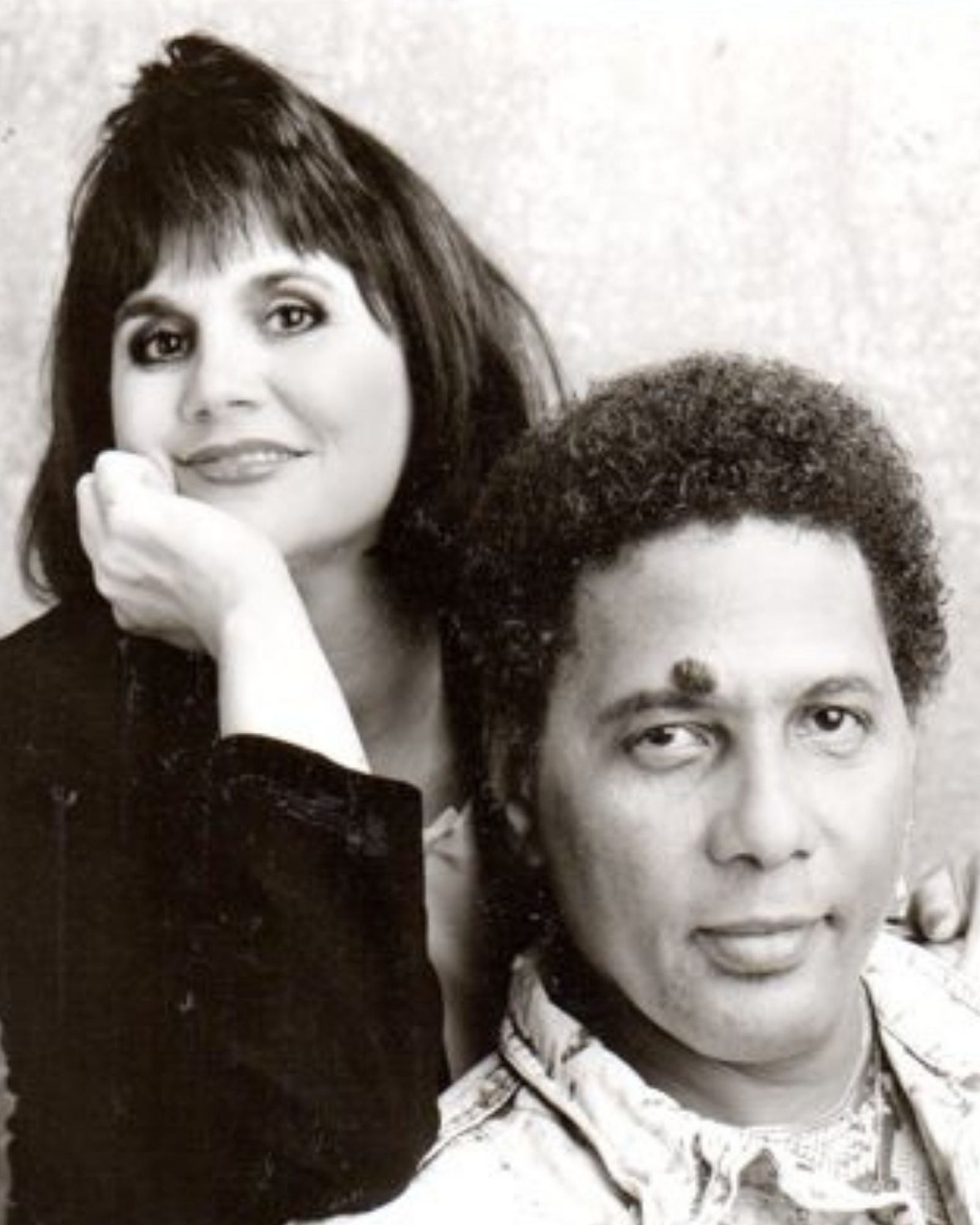
“Don’t Know Much” is the kind of love song that admits life is complicated—then reaches across the confusion with one clear, human truth: I know I love you.
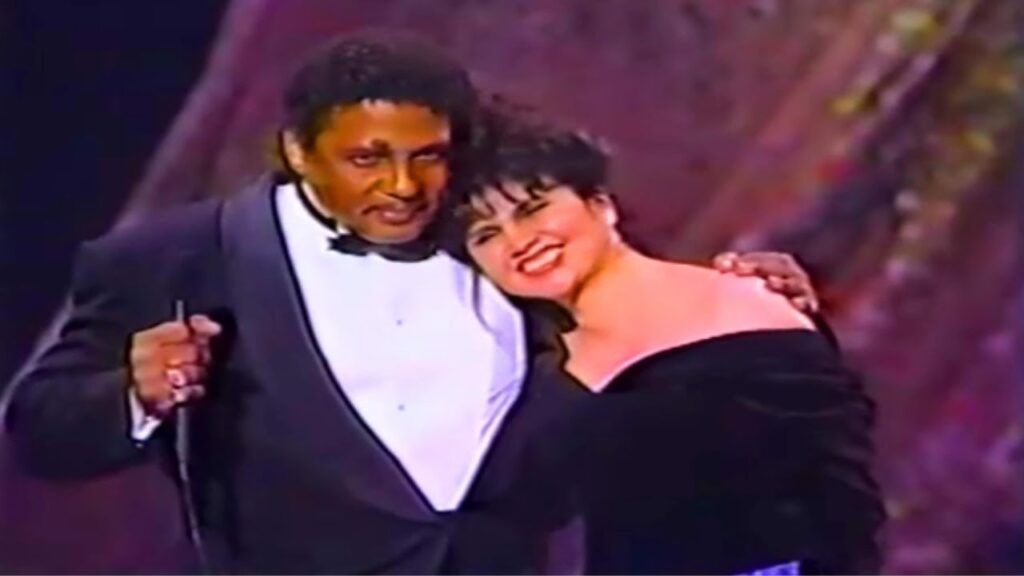
By the time Linda Ronstadt joined voices with Aaron Neville on “Don’t Know Much”, she didn’t need to prove anything to the charts—yet the song proved plenty anyway. Released as a single in 1989 from the album Cry Like a Rainstorm, Howl Like the Wind (issued in October 1989), it became one of the most beloved adult-pop duets of its era: No. 2 on the Billboard Hot 100, and No. 1 on Billboard’s Adult Contemporary chart. It also traveled beautifully beyond America, notably reaching No. 2 on the UK Singles Chart. Just as telling, it earned Ronstadt and Neville the 1990 Grammy Award for Best Pop Performance by a Duo or Group with Vocal—a trophy that, in this case, felt less like industry applause and more like a formal acknowledgment of something listeners already knew in their bones: these two voices were made to meet here.
The song itself has an interesting backstory that deepens its emotional impact. “Don’t Know Much” was written by Barry Mann, Cynthia Weil, and Tom Snow, and it existed before Ronstadt and Neville made it famous. In other hands it had been a modest presence—pleasant, even charming—but not inevitable. What changed in 1989 wasn’t the lyric; it was the chemistry. Ronstadt and Neville didn’t merely “sing together.” They listened to each other in real time, like two people discovering that the same sentence can mean different things when spoken by different hearts.
There’s a quietly cinematic quality to how the duet is constructed. The opening feels like dusk—soft edges, a little uncertainty in the air—then the chorus arrives like a porch light clicking on. The lyric’s central idea is almost disarmingly simple: I don’t know much… but I know I love you. It’s an admission that intellect and certainty don’t always show up when we need them most. In a world that constantly asks us to explain ourselves—define the relationship, predict the future, justify the feeling—this song dares to say that love can be real even when the speaker is unsure of everything else.
That humility is why the song lands so hard for grown listeners. It doesn’t sell romance as a perfect speech delivered without trembling. It sells romance as a kind of gentle bravery: the courage to stop pretending you have all the answers, and to offer the one answer you can stand behind.
Aaron Neville brings an unmistakable fragility to the performance—his voice can sound like it’s lit from within, almost prayerful, with a trembling sweetness that never becomes weakness. Linda Ronstadt, meanwhile, carries steadiness: that famously clear, centered tone that can hold a melody the way strong hands hold something precious. Put them together and you get a rare balance—one voice like a question, the other like a promise. And when they blend, the song stops being a “duet” and becomes a single emotional statement said in two languages at once.
The album context matters too. Cry Like a Rainstorm, Howl Like the Wind was one of Ronstadt’s most successful late-career pop records, and it wasn’t built around flash. It was built around craft—songwriting, phrasing, warmth, and the kind of production that lets emotion stay front and center. The duets with Neville weren’t gimmicks; they were the album’s emotional spine, a reminder that maturity in pop music can sound radiant rather than resigned.
And that’s the deeper meaning of “Don’t Know Much.” It’s not simply a love song—it’s a song about what remains after life has made you cautious. After disappointments, after the ego’s speeches fail, after the world has complicated everything. What remains is this: a small, honest sentence, offered without decoration. In the end, the title isn’t about ignorance. It’s about clarity. The singer may not “know much,” but he knows what matters.
Play it now and it still feels like a slow dance in a living room—no audience, no performance, just the quiet miracle of two people choosing tenderness. Some songs age into nostalgia. “Don’t Know Much” ages into truth.