 By Classic Oldies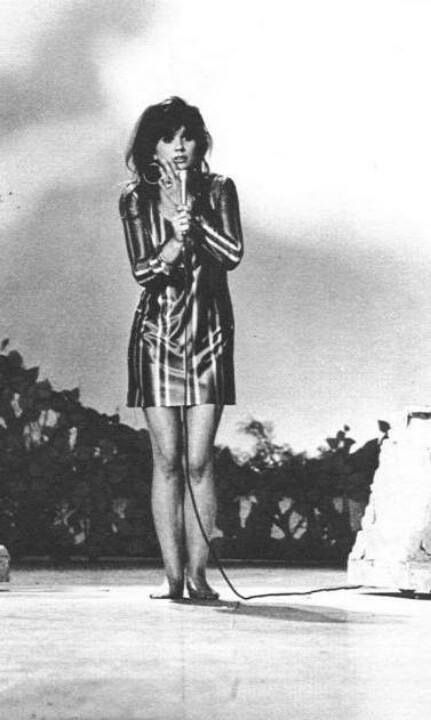
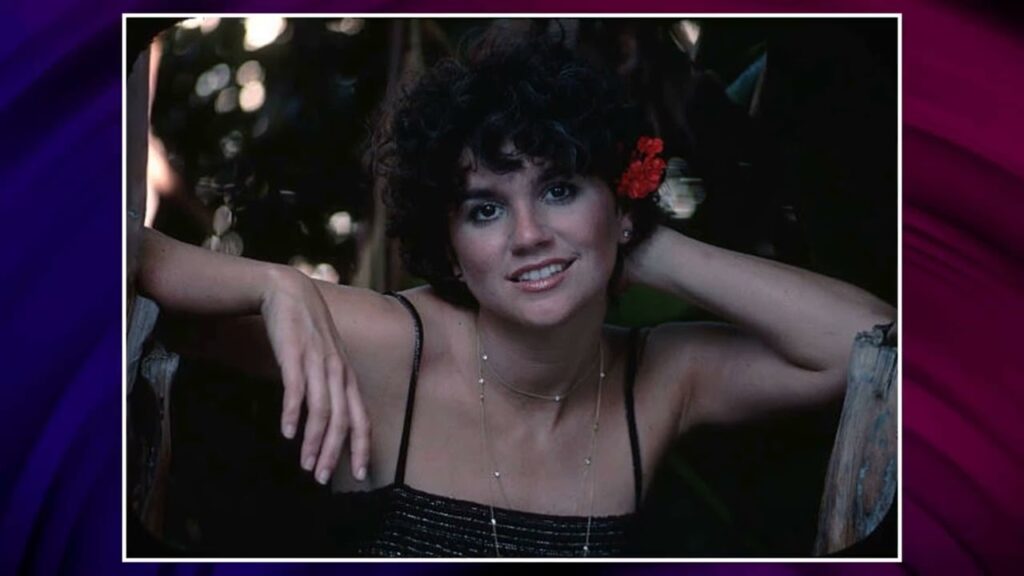
“Back in the U.S.A.” is Linda Ronstadt turning a rock ’n’ roll travelogue into a warm homecoming—joyful on the surface, wistful underneath, like headlights finding familiar streets after a long night away.
Right at the top, the essentials: “Back in the U.S.A.” (written by Chuck Berry) opened Linda Ronstadt’s album Living in the USA as track 1 (running 3:02), with Peter Asher producing. Ronstadt’s version was released as a single on August 1, 1978 on Asylum Records, backed with “White Rhythm & Blues.” On the Billboard Hot 100, the single debuted at No. 72 (debut chart date August 19, 1978) and ultimately peaked at No. 16—with Rhino noting the peak week as October 14, 1978. Meanwhile, the album Living in the USA (released September 19, 1978) became Ronstadt’s third and final No. 1 on the Billboard 200, a reminder that this “cover-heavy” record didn’t diminish her artistry—it showcased it.
Now, the deeper story—the one that makes this performance feel like more than a clever revival of a rock standard.
“Back in the U.S.A.” began as Chuck Berry’s 1959 single, a bright, hungry salute to American everyday pleasures after traveling abroad. Berry’s original hit No. 37 on the Billboard Hot 100 and No. 16 on the R&B chart. The song’s charm has always been its specificity: not flags and speeches, but the smell of food, the neon buzz of a jukebox, the feeling of familiar language in your ears again. It’s patriotism without politics—more appetite than ideology.
So why did it fit Linda Ronstadt so perfectly in 1978?
Because her life had begun to resemble the song’s premise. By then, she and the friends who once worried over bar tabs and record deals had become the very definition of success—yet that success came with its own distance from “ordinary life.” The spark, famously, came from a car ride with Glenn Frey of the Eagles, who had once played in her backing band. Ronstadt heard Berry’s original on a homemade cassette Frey had playing, while the two of them reminisced about the broke, hungry days around The Troubadour—and she suddenly thought: this would be a great song to sing.
That anecdote matters because it explains the emotional temperature of her recording. Ronstadt isn’t singing “Back in the U.S.A.” like a history lesson or a novelty. She’s singing it like a private grin shared with old friends—the grin that says, Can you believe we made it back here? Can you believe we’re still ourselves underneath the glitter? It’s a homecoming not just to a country, but to the memory of who you were before life got complicated.
And then there’s the sound of it—the craft that keeps the song from being mere retro dress-up. The personnel list reads like an A-team of West Coast rock: Dan Dugmore and Waddy Wachtel on electric guitars, Don Grolnick on piano, Kenny Edwards on bass, Russ Kunkel on drums, with Peter Asher adding background vocals. These are players who knew how to make a record move, but also how to leave air around a singer’s phrasing. They don’t smother Berry’s bounce; they tighten it, polish it, and then let Ronstadt’s voice do what it always did best—make joy sound like it has a heartbeat.
That’s the true meaning of “Back in the U.S.A.” in Ronstadt’s hands: it’s the thrill of arrival with the slightest shadow of what it cost to get there. The lyric celebrates the simple things—food, music, streets alive at night—but when a grown woman sings it after years on the road, those “simple things” stop being background scenery. They become treasures. The song becomes a reminder that the most precious luxuries are often the ones you can’t buy: familiarity, ease, belonging, the feeling that you’ve returned to a place that doesn’t demand you perform.
And perhaps that’s why it made such a perfect opener for Living in the USA. The album is built from other people’s songs, yes—but it’s also built from Ronstadt’s taste, her ability to turn borrowed material into autobiography. Starting with “Back in the U.S.A.” is like throwing open the front door and letting the whole record breathe: fast, bright, unapologetically American in sound, yet quietly reflective in spirit.
In the end, Linda Ronstadt doesn’t just cover Chuck Berry—she answers him across time. Berry sang about returning home and finding the everyday world still sizzling and singing. Ronstadt sings the same words with an added undertone: the knowledge that “home” isn’t guaranteed, that it can change, that you can change. And still—when the rhythm kicks in, when the chorus lifts, when the old joy flashes in the rearview mirror—she makes you believe, if only for three minutes, that you really are back in the U.S.A. again.