 By Classic Oldies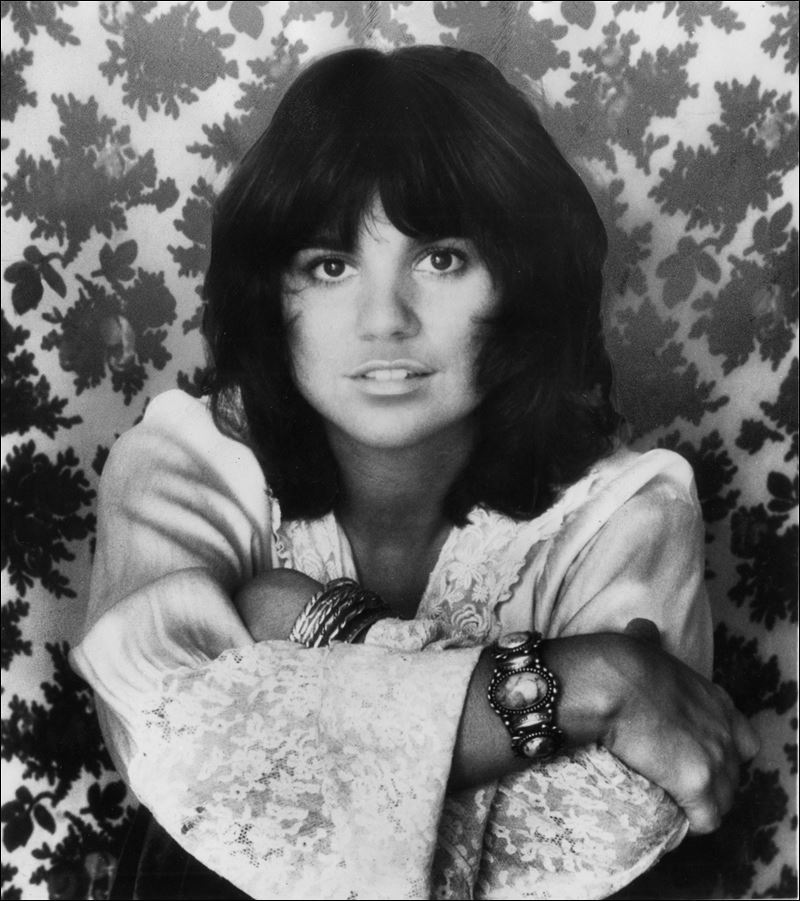
“Desperado” is a hymn for the self-protected heart—Linda Ronstadt sings it like a gentle hand on the shoulder, asking pride to step aside so tenderness can finally come home.
Linda Ronstadt’s recording of “Desperado” arrived not as a flashy hit single, but as a quietly pivotal moment on her 1973 album Don’t Cry Now (released October 1, 1973 on Asylum Records). The album took time to bloom—eventually peaking at No. 45 on the Billboard 200 in March 1974—and “Desperado” lived inside that long, slow climb like a candle kept lit in the back of the room. It wasn’t pushed as a big A-side; in fact, it later appeared as the B-side to her single “Colorado” in May 1974, which tells you how the industry saw it then: meaningful, yes—but almost too reflective to sell with a slogan. And yet, history has a way of rewarding the songs that weren’t designed to shout.
The deeper story is one of musical family and timing. “Desperado” was written by Glenn Frey and Don Henley and first appeared on the Eagles’ 1973 album Desperado—a track that was never released as a single in its original form. But the song had a gravity that refused to stay contained. Ronstadt, already a respected interpreter with a growing audience, gave it a new doorway into the world. Henley has openly credited her with helping popularize the song early on—an extraordinary admission, and a revealing one, because it suggests something many listeners felt without needing to name: Ronstadt could take a strong song and make it feel inevitable, as if it had always been waiting for her particular blend of strength and compassion.
That bond between Ronstadt and the Eagles wasn’t abstract. Frey and Henley moved through the same Southern California musical circles she did, and the Eagles’ origin story famously overlaps with her world—those Laurel Canyon years when bands were forming almost like friendships: shared bills, shared musicians, shared late-night harmonies. So when Ronstadt sings “Desperado,” there’s a sense of closeness to the song’s source—not ownership, not imitation, but intimacy. She doesn’t treat it like a trophy. She treats it like a message worth delivering carefully.
And that is where Ronstadt’s version becomes so quietly devastating. “Desperado” is written as advice to an outlaw, yes—but emotionally it has always been about the person who stays “unreachable” on purpose. The one who keeps their cards close, who mistakes distance for safety, who would rather be admired from afar than known up close. Ronstadt sings to that person the way you speak to someone you still love even when they’re impossible: with firmness that never becomes cruelty.
What makes the song timeless is its central paradox: the desperado looks free, but he’s actually trapped—locked inside a lifestyle of guarding, gambling, and refusing to ask for what he needs. The lyric doesn’t condemn him; it pities him in the most adult way. It recognizes the tragedy of the self-made prison: you can win every hand and still lose your life. You can avoid heartbreak and end up avoiding love altogether.
Ronstadt’s interpretive gift is that she brings the human cost forward. In her voice, the counsel sounds less like a lecture and more like concern. She doesn’t sing it as if she’s above the desperado; she sings it as if she knows him—maybe even as if she understands how someone becomes him. That nuance matters. Because the song isn’t really asking for romance as a prize; it’s asking for vulnerability as a choice. It’s asking the listener to stop pretending they don’t care.
Musically, Ronstadt’s approach (especially in live performances where the song is often pared down to piano and voice) emphasizes the track’s loneliness. Without spectacle, every line lands heavier: “You better let somebody love you… before it’s too late.” It’s one of the most quietly frightening sentences in popular music, because it sounds like common sense—until you realize how many people live their entire lives avoiding exactly that risk. Ronstadt doesn’t dramatize it; she simply places it in the air and lets you feel the chill.
There’s also something beautifully ironic about the song’s Western imagery. Here are California musicians writing and singing like the desert is a state of mind. And that’s the genius: the “desperado” isn’t a literal cowboy so much as a universal type—the proud loner, the charming runaway, the person who keeps moving so no one can pin them down long enough to love them properly. Ronstadt understands that, and she sings as if she’s looking past the costume to the wound underneath.
Listening now, it’s hard not to feel the era around her recording: the slow turn of vinyl, the hush between tracks, the sense that albums were made to be lived with. “Desperado” on Don’t Cry Now feels like one of those songs you don’t fully hear the first time. You hear it later—when the room is quieter, when your own history has caught up with the lyric, when you’ve watched pride cost people years they can’t get back.
That’s why Ronstadt’s “Desperado” endures. It isn’t trying to be a moment. It’s trying to be a truth: that freedom without connection is just another kind of loneliness, and that the bravest thing a guarded heart can do is finally stop running—long enough to let love find it.