 By Classic Oldies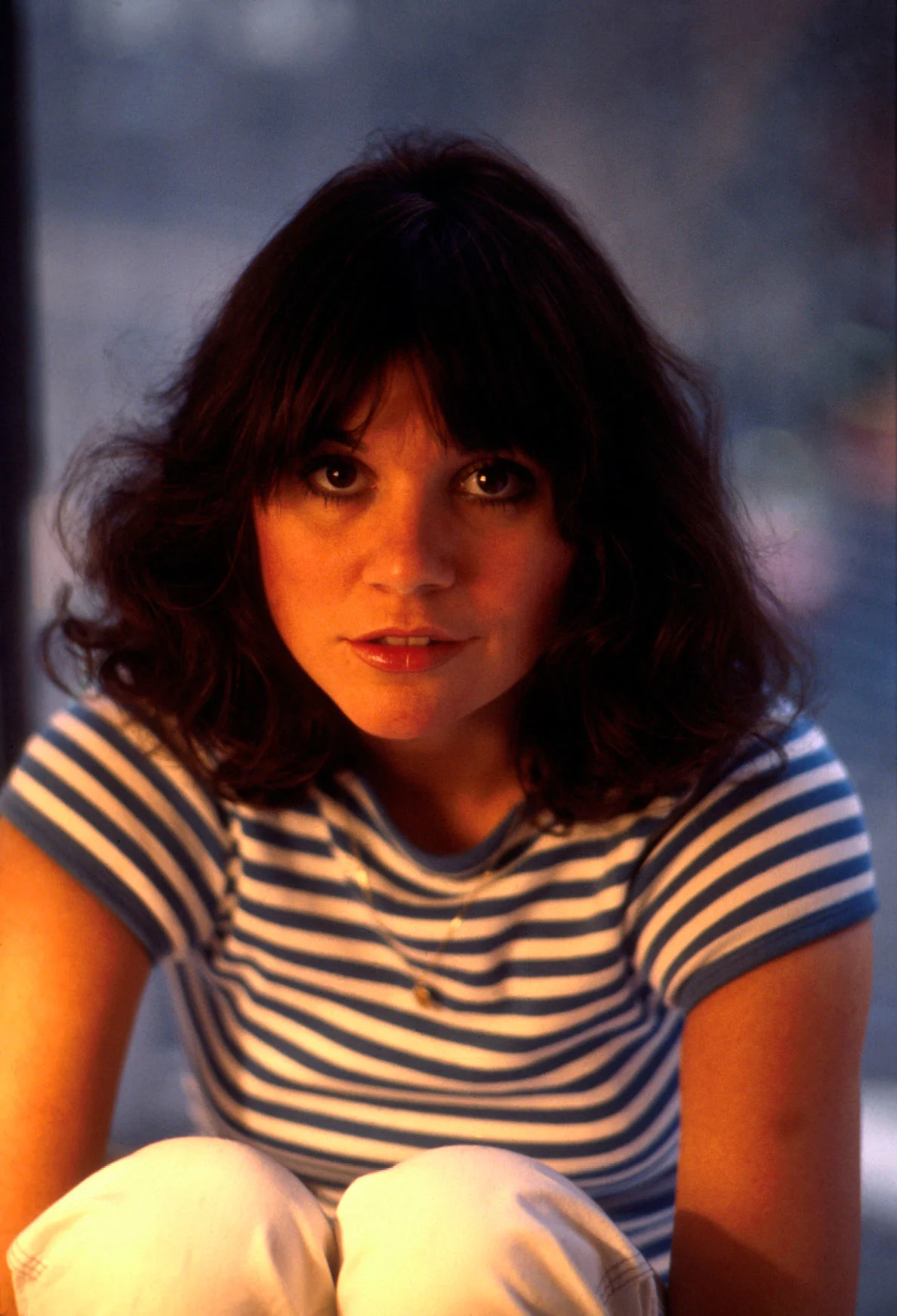
“Faithless Love” is the kind of heartbreak that doesn’t end with a slam—it ends with a sigh, the slow recognition that you’re still reaching for someone you can’t trust.
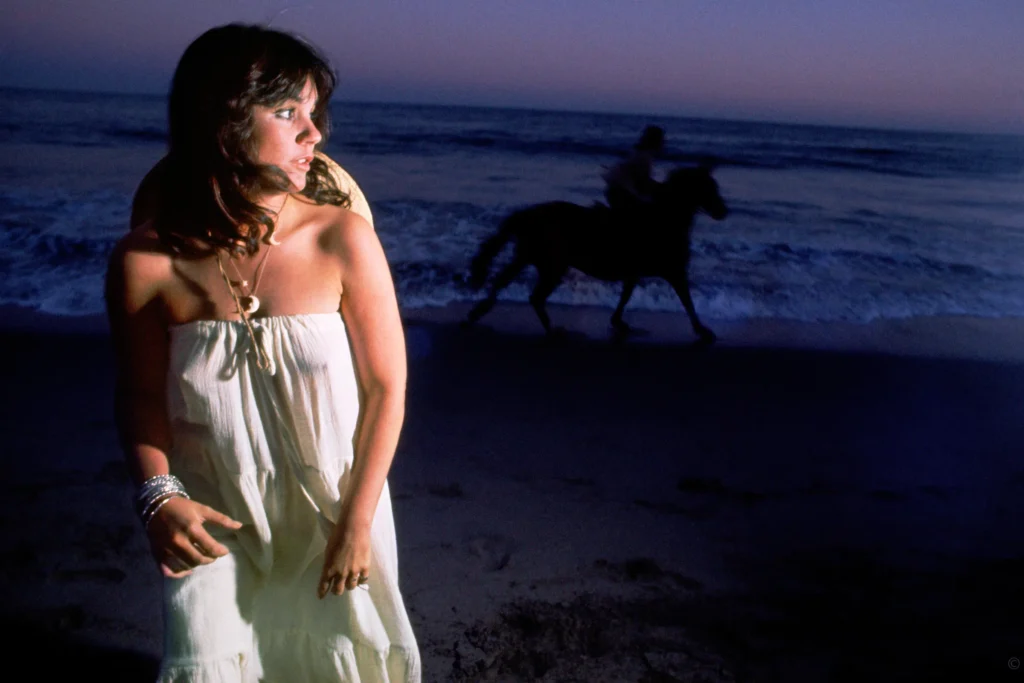
“Faithless Love” sits near the front of Linda Ronstadt’s breakthrough album Heart Like a Wheel—and it’s no accident that it feels like the record’s emotional “deep breath.” The album was released November 19, 1974, and it entered the Billboard 200 almost immediately, debuting at No. 47 (chart date 11/23/1974) before rising to No. 1 (peak chart date 11/30/1974). That chart story is the public headline; “Faithless Love” is the private bruise underneath it.
A key point for accuracy: “Faithless Love” was not a major pop single with its own Hot 100 debut in 1974–75. Its “arrival” is bound to the album’s impact rather than a standalone singles run—an album that didn’t merely succeed, but changed Ronstadt’s life.
The song itself was written by J.D. Souther—one of the central architects of that Southern California songwriter circle—and Ronstadt recorded it during the June–September 1974 sessions that built Heart Like a Wheel, produced by Peter Asher. What makes this track feel so intimately “inside the room” is that Souther isn’t just a name on the label: he’s credited on the recording with acoustic guitar and harmony vocals on the song. You can hear that closeness—the way the harmonies don’t sound “stacked,” they sound shared, like two people standing near the same microphone, trying not to say too much.
That closeness wasn’t only musical. Souther and Ronstadt had a deep personal and creative connection, and he wrote multiple songs she recorded—part of the ongoing conversation between their lives and their work. The Country Music Hall of Fame and Museum later described “Faithless Love” as “a pillar” of Ronstadt’s first chart-topping album—language that fits the way the song functions on the record: not as a flashy centerpiece, but as one of the load-bearing beams.
So what is “Faithless Love” really about?
It’s about the humiliating kind of devotion—the kind that survives its own evidence. The title phrase is almost blunt, almost plainspoken, yet the song itself is anything but simple. “Faithless” suggests betrayal, yes, but also exhaustion: the slow erosion of belief. This isn’t the drama of catching someone in a lie; it’s the quieter ache of already knowing, and still hoping something will magically change.
Ronstadt sings it with a remarkable emotional discipline. She doesn’t wail. She doesn’t decorate the pain. Instead, she lets the sadness sit in her tone—clear, steady, unforced—like someone who has learned that heartbreak doesn’t need a spotlight to be devastating. That restraint is exactly what makes the track linger: it feels like the moment after you’ve stopped arguing, when the room goes quiet and you realize your heart is still in the same place… even though your pride has already walked out.
And then there’s the larger, almost cinematic irony: Heart Like a Wheel is famous for its range—moving from hard-edged pop fire to country ache to late-night tenderness—yet “Faithless Love” is one of the songs that gives the album its adult gravity. It’s a reminder that Ronstadt’s great gift wasn’t simply vocal power. It was her ability to choose songs that carried real emotional architecture—and then inhabit them so convincingly they stopped feeling like covers and started feeling like autobiography.
In later years, Souther would record his own version (and other artists would revisit the song too), but Ronstadt’s remains uniquely haunting because it feels like a confession that doesn’t want to be overheard. It’s the sound of love kept alive past its expiration date—beautiful, irrational, and painfully human.
If you play “Faithless Love” today, it still lands like a letter you didn’t expect to find—creased, familiar, and somehow heavier than it looks. Not because it’s loud, but because it’s true: sometimes the hardest goodbye isn’t leaving someone. It’s admitting to yourself that you were faithful enough for two… and it still wasn’t enough.