 By Classic Oldies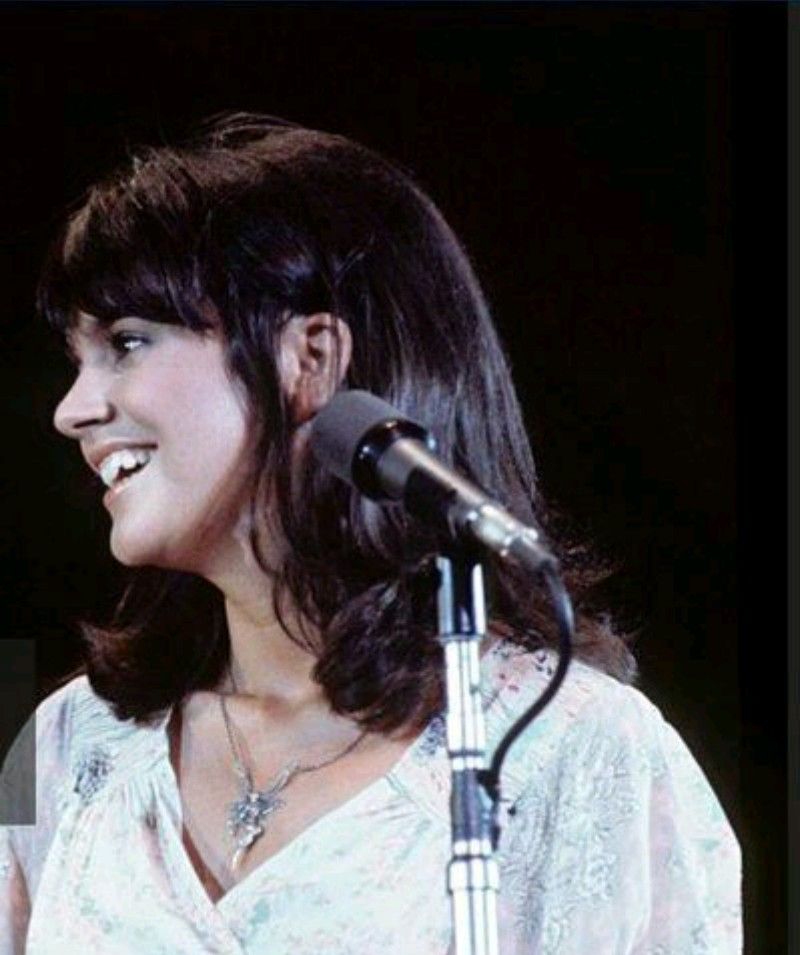
“How Do I Make You” is the sound of bold reinvention—romance turned into a breathless, new-wave chase where desire is urgent, a little reckless, and impossible to play cool.
In early 1980, Linda Ronstadt did something that, for a superstar at full commercial strength, felt almost mischievous: she pivoted sharply into a tougher, nervier pop-rock dialect and made it sound effortless. The calling card was “How Do I Make You”, an advance single from her album Mad Love—and it wasted no time announcing itself. On the Billboard Hot 100, the song debuted at No. 77 (January 19, 1980) and climbed to a peak of No. 10.
That chart story matters, but so does the temperature of the moment. Mad Love (released February 26, 1980) didn’t just “continue the streak”—it risked it. Produced by Peter Asher, recorded in late 1979 into early 1980, the album embraced the restless edges of the era—rock with punk/new wave lighting the corners—and the public met her there: it debuted at No. 5 on the Billboard album chart and peaked at No. 3. If you’ve ever wondered how a major artist keeps their soul intact while keeping their relevance, this is one of the cleanest examples: she didn’t chase trends so much as try them on honestly, to see what truths they might reveal.
The song itself came from outside her inner writing circle—written by Billy Steinberg—and its origin feels like the kind of half-accidental music-business alchemy that used to happen when people actually played each other tapes. Steinberg had recorded it as a demo with his band Billy Thermal. Then, as Steinberg later recalled, Wendy Waldman (who sang backing vocals in Ronstadt’s live world) and Craig Hull (Billy Thermal’s guitarist) played those demos for Ronstadt—without asking Steinberg first—and Ronstadt immediately latched onto “How Do I Make You.” Add one more vivid detail: Steinberg has said he was influenced by The Knack’s “My Sharona” while writing it, which explains the song’s forward-leaning pulse—built to run, not stroll.
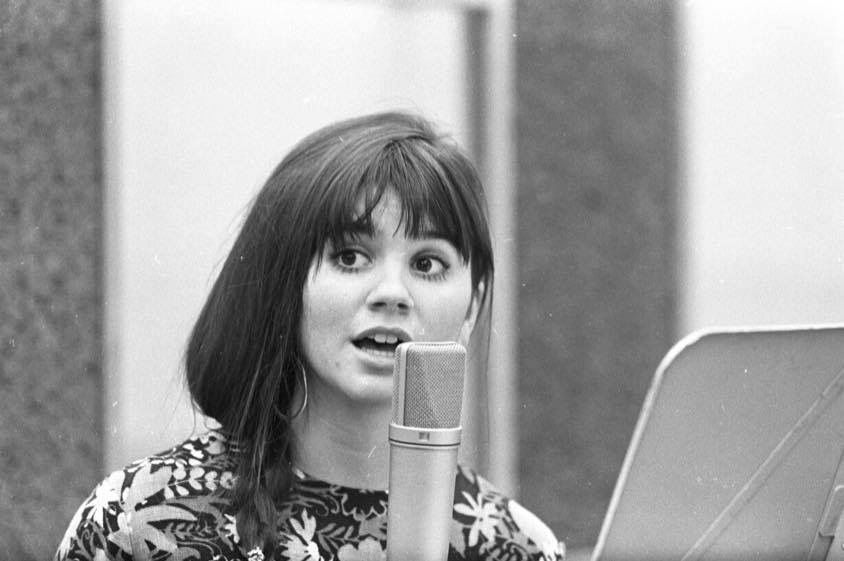
Under Peter Asher’s production, Ronstadt’s version compresses romantic anxiety into two-and-a-half minutes of bright panic: How do I make you want to see me? It’s not a torch song; it’s a sprint. The lyric doesn’t describe love as destiny—it describes love as strategy, as yearning with its sleeves rolled up. That’s what gives the song its particular electricity: the narrator isn’t above wanting. She’s inside it, thinking fast, feeling faster.
And Ronstadt—so often celebrated for the purity and power of her voice—does something subtler here: she acts the rhythm. She sings as if she’s slightly ahead of her own heartbeat, as if the very act of asking might tip the world one way or another. It’s flirtation with teeth. It’s vulnerability without the slow-burn comfort of a ballad. This is the moment where a woman who had already conquered radio decides to sound like she’s still chasing something—because chasing, sometimes, is where the truth is.
Even the release details underline how purposeful it was. “How Do I Make You” came out in January 1980 on Asylum Records, as the lead single for Mad Love, with “Rambler Gambler” on the B-side—and it signaled, plainly, that Ronstadt wasn’t interested in staying politely within the borders of what “a Linda Ronstadt record” was supposed to be. The wider industry heard the shift, too: the recording later earned Ronstadt a Grammy nomination for Best Female Rock Vocal Performance (1981 ceremony).
If you want one last numeric footnote that feels like a time capsule, the song didn’t just flash and vanish: it ranked No. 68 on Billboard’s year-end Hot 100 for 1980—proof that this wasn’t merely a stylistic detour, but a piece of the year’s bloodstream.
And that may be the real meaning of “How Do I Make You”—not simply “how do I win you,” but how do I keep changing and still sound like myself? Ronstadt answered by doing what great singers do when they’re at their bravest: she stepped into a new suit of sound, and somehow made it feel like it had always been tailored to her.