 By Classic Oldies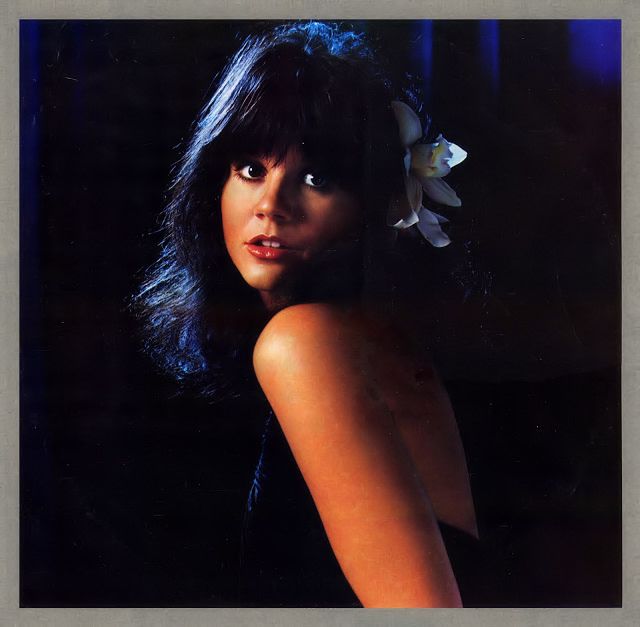
“I Fall to Pieces” is heartbreak told with dignity—when the mind insists you’re finished, but the heart keeps breaking its own rules and returning, quietly, to the same name.
The most important thing to know—right away—is that Linda Ronstadt didn’t record “I Fall to Pieces” at the height of her late-’70s superstardom. Her version belongs to the earlier, hungrier chapter: it was released as a Capitol single in September 1971, and then appeared on her 1972 self-titled album Linda Ronstadt (released January 17, 1972). That album reached No. 163 on the Billboard 200—a modest position that, in hindsight, feels almost symbolic: the record was quietly laying groundwork, not taking victory laps.
And yet, inside that “modest” moment sits a song with an enormous shadow. “I Fall to Pieces” was written by Hank Cochran and Harlan Howard, first made immortal by Patsy Cline, and released in 1961—a record that reached No. 1 on Billboard’s country chart and crossed over to No. 12 on the Billboard pop chart. When Ronstadt chose it barely a decade later, she wasn’t grabbing a trendy oldie. She was stepping into sacred country-pop territory, where a singer’s smallest inflection can either honor the wound or cheapen it.
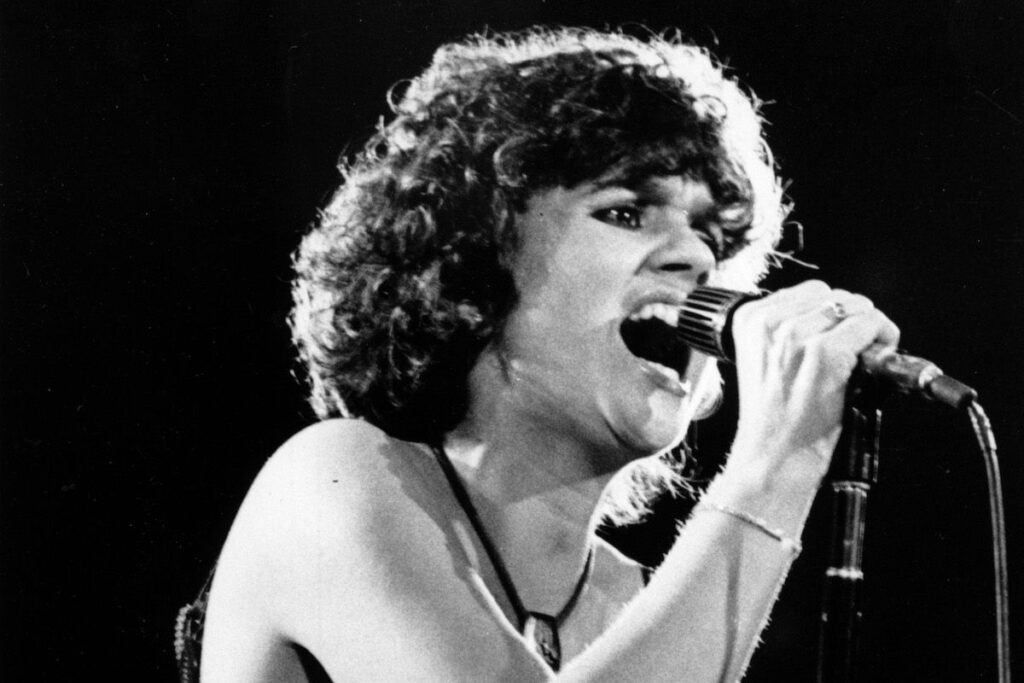
What makes Ronstadt’s reading so quietly fascinating is how she captured it. The 1972 album’s notes identify “I Fall to Pieces” as one of the tracks recorded live at The Troubadour in Hollywood. That detail changes the emotional temperature. This isn’t heartbreak sealed behind studio glass. It’s heartbreak shared in a room—applause in the air, a little risk on the vocal, the feeling that the song is happening to you as you sing it. In a way, that’s closer to the spirit of the original Patsy Cline record than any attempt at perfect imitation: both versions understand that pain isn’t theatrical. Pain is present tense.
Then there’s the bittersweet historical sparkle around the performance. The album that carries Ronstadt’s “I Fall to Pieces” is also famous for something else: it documents an early overlap with musicians who would soon become the Eagles. Wikipedia notes the sessions featured Glenn Frey and Don Henley, and later commentary about the record highlights how the Troubadour scene around Ronstadt helped those future Eagles gather momentum. So, in the margins of this song, you can almost hear Los Angeles forming its next era—one set of harmonies preparing to take the wheel while another voice, Ronstadt’s, is still proving she can sing anything and make it feel like lived experience.
The meaning of “I Fall to Pieces” has always been deceptively simple: the narrator can’t “get over” a love by willpower alone. But the genius is in the restraint. The lyric doesn’t scream. It admits. And that admission is timeless: we don’t always fall to pieces in public; more often we do it in private, in small humiliations—passing a familiar street, hearing a familiar chord, realizing the body remembers what the mind wants to forget.
Ronstadt approaches the song with a particular kind of early-career honesty: not yet the arena icon, not yet the voice synonymous with chart-topping polish, but a singer still close to the club circuit—close to the human scale of the story. Her phrasing carries that subtle tension between control and collapse: she sings like someone trying to stand up straight while the knees keep softening. It’s not melodrama. It’s recognition.
And perhaps that’s why her recording matters even without a famous chart peak attached to it. It’s evidence of taste and instinct. In choosing “I Fall to Pieces,” Linda Ronstadt wasn’t only paying tribute to Patsy Cline—she was claiming a lineage: the lineage of singers who understand that the greatest heartbreak songs don’t beg for pity. They simply tell the truth, calmly, until the truth becomes unbearable… and then, for a few minutes, bearable again.