 By Classic Oldies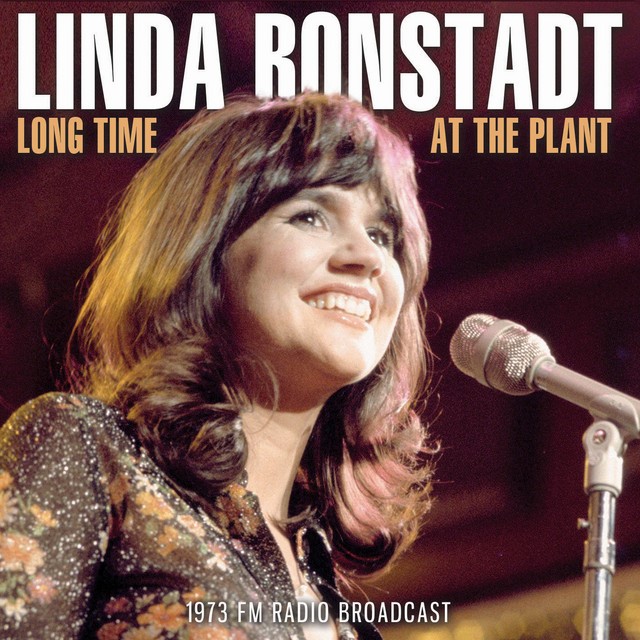
“It Doesn’t Matter Anymore” is the brave little sentence we say to survive a goodbye – a shrug spoken through tears, pretending the past has finally loosened its grip.
Linda Ronstadt recorded “It Doesn’t Matter Anymore” for her landmark 1974 album Heart Like a Wheel—and in doing so, she turned a famous rock ’n’ roll farewell into something calmer, heavier, and more adult in its honesty. The album was released on November 19, 1974, and it became her first No. 1 album on the Billboard 200, the moment when her voice stopped being “promising” and started being inevitable. On the record, “It Doesn’t Matter Anymore” appears as a key early track (listed at 3:26)—a deliberate choice, placed like a quiet thesis statement about heartbreak and endurance.
The chart story, though, belongs to the single that carried it into living rooms and car radios. In the U.S., “It Doesn’t Matter Anymore” gained its public life as the B-side to Ronstadt’s smash cover of “When Will I Be Loved”—released as a 7-inch on Capitol (cataloged by collectors as Capitol 4050, issued March 1975). What happened next is one of those wonderfully old-fashioned, radio-driven plot twists: as the A-side began its descent, the flip side gathered enough airplay to chart on its own, essentially becoming a double-sided hit. On the Billboard Hot 100, it was listed in tandem as “It Doesn’t Matter Anymore/When Will I Be Loved”—with a debut position of No. 73 shown in Billboard’s chart listing—before reaching a peak of No. 47. It also crossed formats the way Ronstadt always did: No. 20 on Billboard Adult Contemporary and No. 54 on Billboard Country (fall 1975).
To feel the full meaning of Ronstadt’s performance, it helps to remember the song’s first life—and its shadow. “It Doesn’t Matter Anymore” was written by Paul Anka specifically for Buddy Holly, recorded in October 1958 and released in January 1959, only weeks before Holly’s death. In the UK it became a defining posthumous moment, reaching No. 1 in April 1959—a chart fact that still reads like a shiver down the spine. Anka later spoke about the song’s tragic irony and donated his royalties to Holly’s widow—an act of decency that feels stitched into the song’s legacy like a hidden dedication.
Ronstadt doesn’t try to outrun that history. She meets it—then reshapes it. Where Holly’s original carries the ache of youthful finality, Ronstadt sounds like someone who has learned how long “over” can take. Her version is less a slammed door than a hand resting on the doorknob, hesitating. The lyric’s central claim—it doesn’t matter anymore—becomes, in her phrasing, a kind of self-hypnosis: a sentence repeated not because it’s true, but because it needs to become true.
That’s the secret tenderness of this recording. Linda Ronstadt was a master interpreter: she could step into someone else’s song and make it feel autobiographical without changing a word. On Heart Like a Wheel, produced by Peter Asher, she often sang as if she were reading old letters aloud—steady voice, unsteady heart. And here, she gives resignation a pulse. There’s dignity in the way she refuses melodrama; she doesn’t beg the past to return. Instead, she acknowledges the bruise and keeps walking—one careful step at a time.
Maybe that’s why “It Doesn’t Matter Anymore” still lands so softly and so hard. Because most heartbreak isn’t theatrical. It’s domestic. It’s the quiet moment after the phone stops ringing. It’s the realization that you can miss someone and still know you must let them go. Ronstadt’s performance doesn’t offer a miracle cure. It offers companionship—proof that the bravest thing we sometimes do is say the line, even when we don’t believe it yet, and trust that time will eventually teach our voice to mean what it sings.