 By Classic Oldies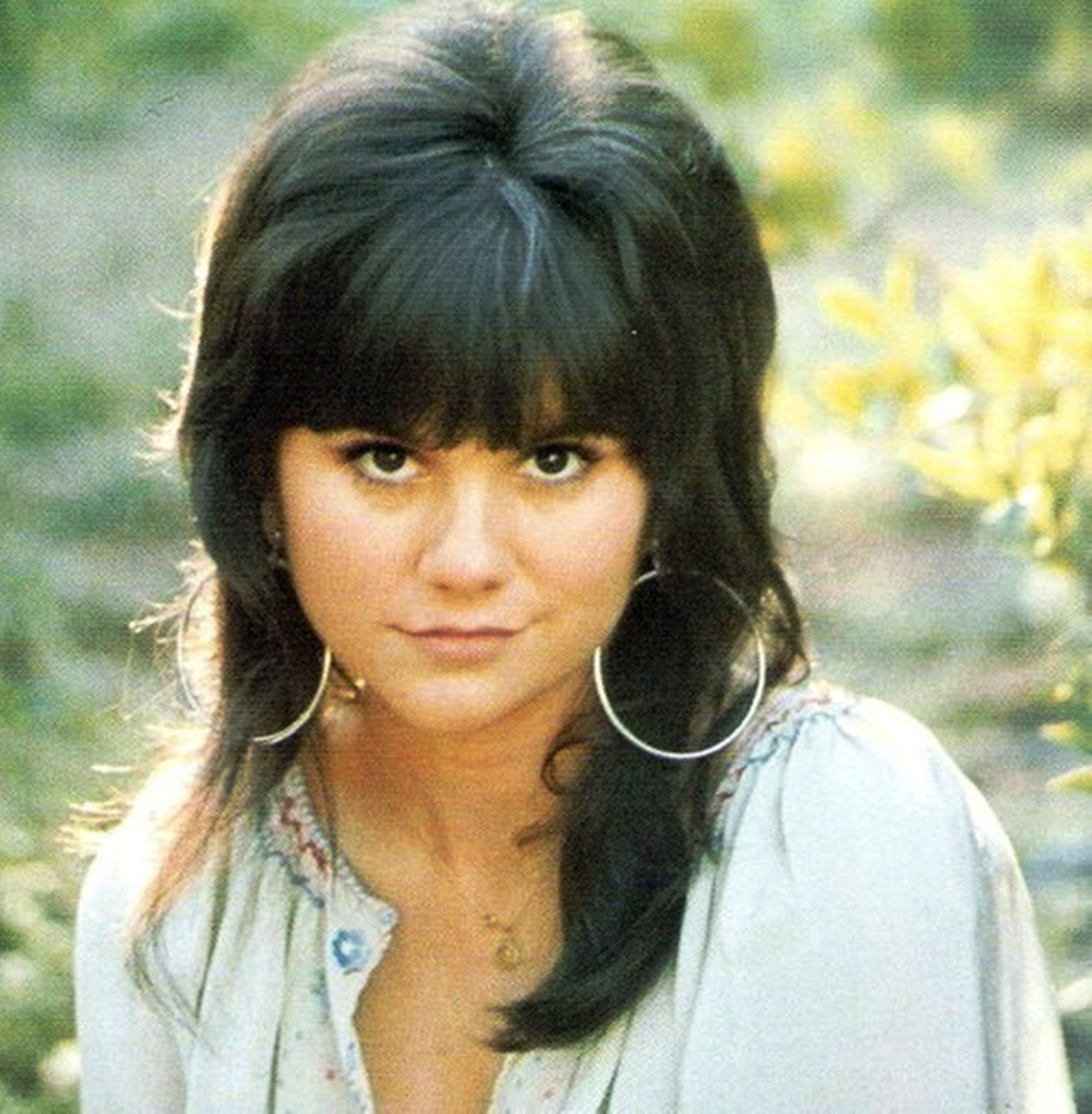
“Love Has No Pride” is what happens when dignity finally gives up the microphone—and the heart, embarrassed but honest, admits it would crawl back just to feel whole again.
Linda Ronstadt released “Love Has No Pride” as a single in October 1973—an early marker on the road that would soon lead her into the great, era-defining run of the mid-to-late ’70s. The song opened a door rather than kicked one down: it debuted at No. 99 on the Billboard Hot 100 (Dec. 1, 1973) and climbed to a peak of No. 51 (Jan. 12, 1974). On the softer side of radio, it reached No. 23 on Billboard’s Adult Contemporary chart, evidence that its bruised tenderness found listeners who preferred their heartbreak spoken in a human voice. The single came from Ronstadt’s first Asylum album, Don’t Cry Now, released October 1, 1973—an album that peaked at No. 45 on the Billboard 200 and spent 56 weeks on the chart.
What makes “Love Has No Pride” special is that it doesn’t behave like a “single” at all. It’s less a performance than a surrender—an emotional posture that most people avoid in daylight. The song was written by Eric Kaz and Libby Titus, and it already carried a lived-in ache before Ronstadt ever touched it: it was first released by Bonnie Raitt in 1972. Ronstadt didn’t simply cover it; she reframed it—taking a piece of modern, confessional singer-songwriter pain and placing it inside her own emerging country-rock vocabulary, where steel guitar and open-road melancholy could make the pleading feel even more exposed.
This was also a crucial moment in her career story. Don’t Cry Now was made over a long, complicated stretch and involved multiple producers—J.D. Souther, John Boylan, and Peter Asher—before the album finally came into focus. That slightly patched-together history somehow suits “Love Has No Pride,” a song that sounds like it’s been rehearsed in private for too many nights: not polished into perfection, but honed into truth. Even the 45’s production credit points to John Boylan, tying the track to the album’s earlier, more intimate craftsmanship.
The meaning sits plainly in the title, yet it’s a title with teeth. “Love has no pride” isn’t romantic—at least not in the postcard sense. It’s the admission that love can reduce you, make you contradict yourself, make you reach for the phone when you promised you wouldn’t. The narrator isn’t describing a healthy bond; she’s describing the humiliating gravity of attachment—how it can pull you back even when your mind is begging for distance. The song understands something adults learn the hard way: you don’t always stop loving someone because you should. Sometimes you stop only when the heart has finally worn itself out.
Ronstadt’s gift is that she never turns this into melodrama. She sings it with that signature blend of clarity and ache—tone as clean as glass, emotion like weather behind it. The brilliance is in the restraint: she doesn’t “sell” the pain; she lets it stand on its own feet. There’s a kind of lonely nobility in her phrasing, as if she’s trying to keep her posture while confessing she has none. And if the lyric suggests self-blame—an awareness that the weakness is, in part, her own—Ronstadt’s voice makes that awareness feel heartbreakingly human rather than self-punishing.
It also helps that this song lived on stage and television, not just on vinyl. Ronstadt performed “Love Has No Pride” on The Midnight Special in December 1973, when she was still climbing—when the “legend” wasn’t yet carved in stone, and you can feel the urgency of an artist proving she belongs.
Today, “Love Has No Pride” remains one of those early Ronstadt recordings that quietly explains everything that came after. Before the No. 1 albums, before the era’s biggest singles, she was already doing the thing that made her singular: taking someone else’s song and making it feel like a page torn from her own life. And in this one, she gives you a hard, tender truth to carry: pride is a fine coat in public—but love, real love, has a way of leaving it hanging on the chair by the door.