 By Classic Oldies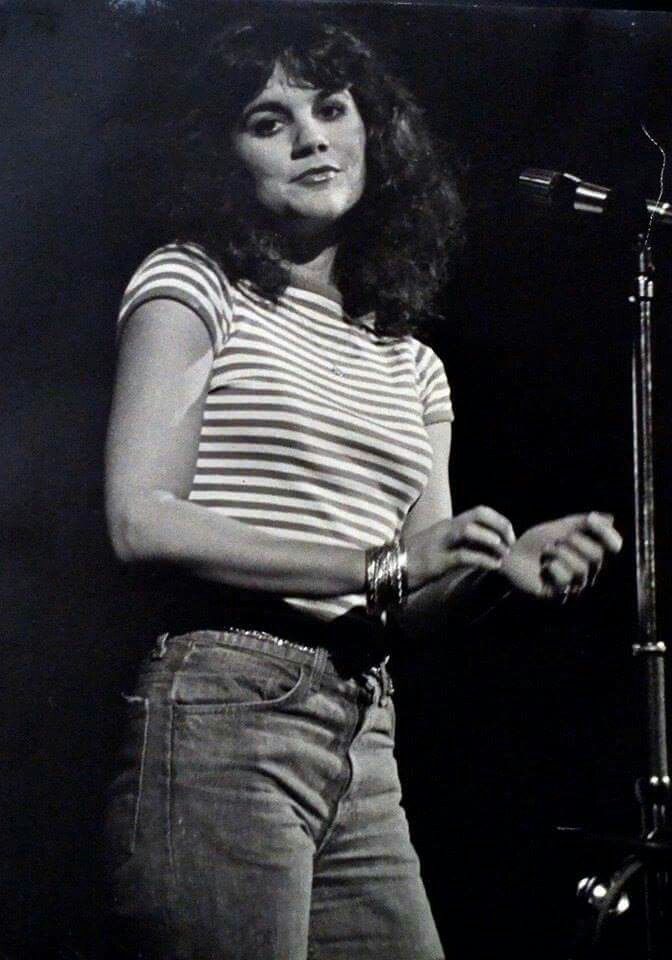
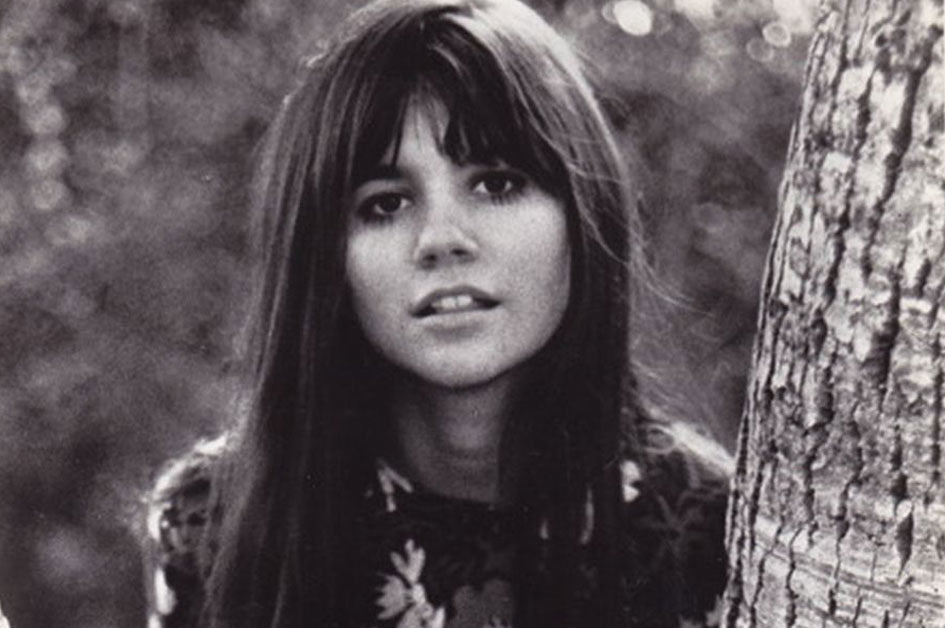
“Nobody’s” feels like a soft promise spoken in a half-lit room—tender on the surface, yet shadowed by the fear that protection, like love, can slip away.
“Nobody’s” is one of those Linda Ronstadt recordings that doesn’t arrive with the bright glare of a headline—yet it matters because it captures her at the exact moment her solo identity began to take shape. The song appears on her 1970 Capitol album Silk Purse, released April 13, 1970, and it’s an original composition by songwriter Gary White, the same writer who gave her the breakthrough ballad “Long, Long Time.” That alone places “Nobody’s” in an important corner of her story: it belongs to the small set of songs that helped move her from promising singer to charting solo artist—before the era-defining superstardom, before the arena lights, when the voice was already extraordinary but the world hadn’t fully caught up.
And here’s the key chart context—because it’s easy to misread the song’s public footprint. “Nobody’s” didn’t chart as a stand-alone A-side. Instead, it traveled as the B-side to “Long, Long Time,” issued as a single by Capitol on June 15, 1970. That single became Ronstadt’s first major solo chart breakthrough, reaching No. 25 on the Billboard Hot 100 and No. 20 on Billboard’s Easy Listening chart (as documented in chart summaries). Its debut week is commonly indexed to the Hot 100 dated August 15, 1970, where “Long Long Time” appears newly at No. 82—meaning “Nobody’s,” as the flip side, was literally paired with her first real step into the national pop conversation.
The “behind the song” story also carries a lovely human detail. Ronstadt later wrote in her memoir that she came to Gary White’s writing through her friend David Bromberg, went to hear White perform in New York, met him backstage, and that connection led her not only to record “Long, Long Time” but also “Nobody’s.” In other words, “Nobody’s” isn’t a random album track—it’s part of an artistic encounter, a moment of recognition: a young singer hearing a songwriter and thinking, that’s my emotional language, too.
Musically, Silk Purse is often described as a deliberate step toward country-inflected material, recorded largely in Nashville and produced by Elliot F. Mazer. Within that setting, “Nobody’s” reads like a small, careful photograph: not a dramatic plot twist, but a steady gaze. Even without turning it into melodrama, the title alone suggests a theme that runs deep in Ronstadt’s early catalog—how love can be both shelter and vulnerability. “Nobody’s” can be heard as a vow (nobody’s going to do you harm while I’m here) and simultaneously as a confession (I’m terrified of what happens when I’m not). The most affecting love songs often carry that double exposure: devotion lit from one side, anxiety from the other.
What makes Linda Ronstadt such a compelling messenger here is that she never sounds like she’s “acting” the lyric. In 1970 especially, her gift was clarity—an ability to make a line feel spoken rather than performed. She doesn’t need to oversell tenderness; she simply places it in front of you and trusts you to recognize it. And because “Nobody’s” is connected to the same songwriter who wrote her first signature hit, it sits beside “Long, Long Time” like a quieter sibling: less famous, perhaps, but cut from the same cloth of plainspoken ache.
There’s also a bittersweet historical footnote embedded in the album itself. Ronstadt would later express dissatisfaction with Silk Purse—not because the material lacked merit, but because she felt she was still learning what she could do. That kind of hindsight is its own kind of melancholy: the artist judging the early self harshly, while listeners hear the beginning of something luminous. “Nobody’s” benefits from that tension. It sounds like youth trying to be brave—trying to promise permanence in a world that rarely grants it.
So if you’re approaching “Nobody’s” expecting a chart-topping anthem, it will seem like a whisper. But if you approach it as an artifact of arrival—a B-side companion to Ronstadt’s first true solo breakthrough, born from a real songwriter encounter, preserved on a formative Nashville-cut album—then it becomes something richer: a gentle vow that knows the cost of making vows at all.