 By Classic Oldies
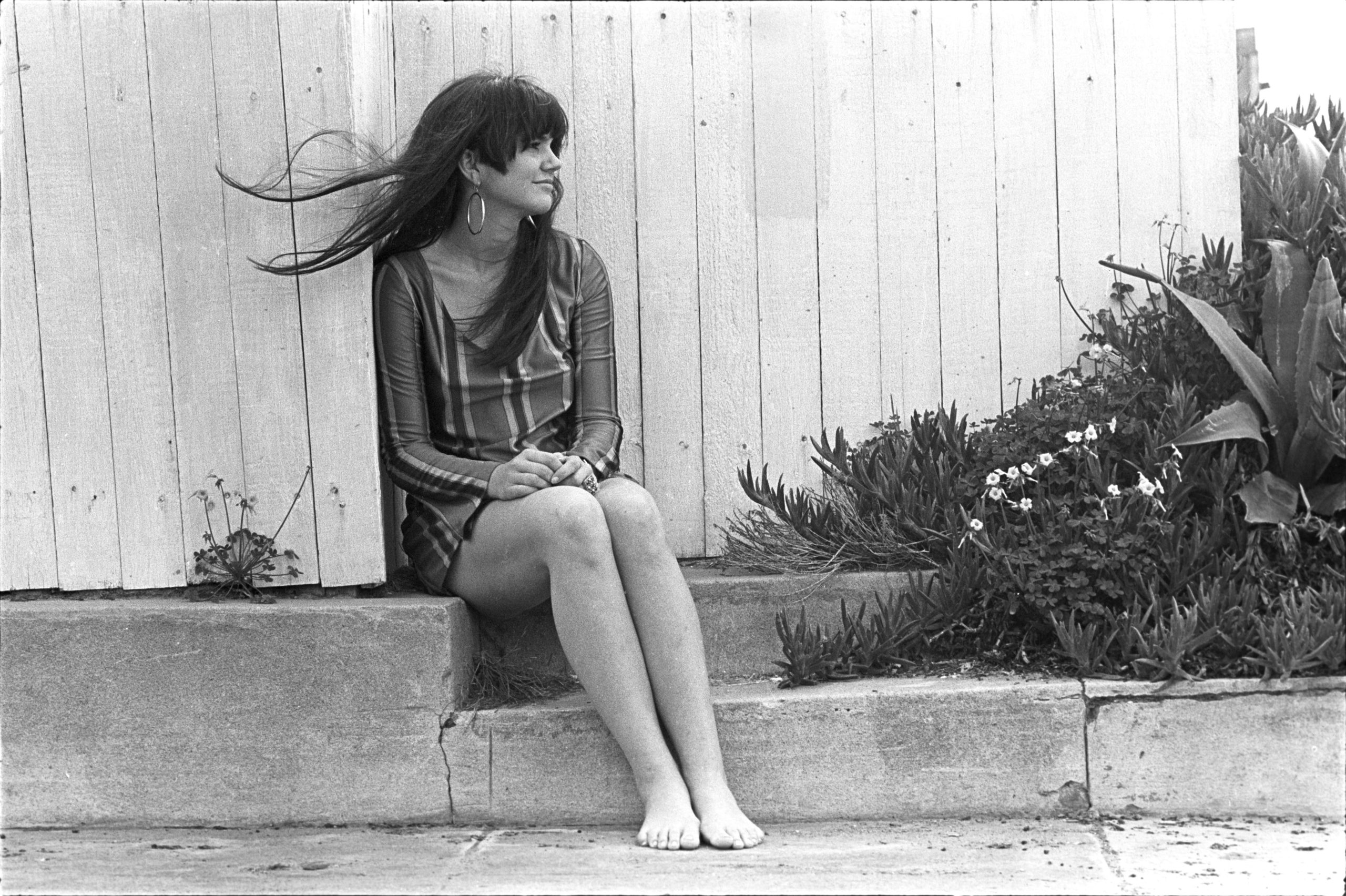
“Simple Man, Simple Dream” is the sound of a heart that refuses to harden—Linda Ronstadt singing compassion for the “easy-to-mock” believer who still wants love to mean something.
Linda Ronstadt recorded “Simple Man, Simple Dream” for her blockbuster 1977 album Simple Dreams (released September 6, 1977), where it appears as track 3 and runs about 3:12. The song was written by J.D. Souther, one of the quiet architects of the Southern California singer-songwriter era—a man whose pen helped define a whole emotional vocabulary of the 1970s. Importantly, “Simple Man, Simple Dream” was not released as a charting single, so it has no debut position on the Hot 100; its “arrival” is best measured through the album that carried it into living rooms everywhere.
And that album’s story is enormous. Simple Dreams reached No. 1 on the Billboard 200, holding the top spot for five consecutive weeks starting December 3, 1977, a period when Ronstadt was arguably the clearest, brightest voice on American radio. It was also certified triple-platinum by the RIAA, a plain statistic that still feels astonishing when you remember how much of the record is built from careful interpretation rather than studio spectacle.
So where does “Simple Man, Simple Dream” come from before Ronstadt? It began with J.D. Souther himself—he released his own recording on Black Rose in 1976. By the time Ronstadt sang it, the tune already carried Souther’s signature emotional posture: a kind of bruised humility, the tone of someone who knows the world can be cruel to the sincere. Their connection wasn’t only professional, either. Souther’s life story is threaded through Ronstadt’s: they shared a deep creative relationship, and she recorded several of his songs across her catalog—including “Simple Man, Simple Dream.”
What makes Ronstadt’s version so affecting is her refusal to treat the lyric as “self-pity.” A contemporary Rolling Stone review captured this beautifully, noting that she sang Souther’s “modestly self-pitying” song with “sympathy” and “understanding”—in other words, she didn’t stand above the narrator, judging him; she stood beside him, letting his softness remain honorable. That is a rare kind of interpretive courage: to sing someone else’s vulnerability without irony, without the wink that would make it safer.
Listen closely and you can feel how Simple Dreams frames the track. The album’s first side is a small gallery of longing—songs that move like late-night thoughts, one after another, when the house is quiet and the day’s confidence finally slips off. In that setting, “Simple Man, Simple Dream” becomes less a character study and more a mirror. It speaks for anyone who has ever been told—directly or indirectly—that tenderness is naïve, that hope is embarrassing, that wanting “simple truths” makes you an easy target.
The song’s meaning is right there in the title, but the emotional mathematics are deeper. A “simple man” is not necessarily an uneducated one—he’s someone whose heart doesn’t enjoy games. A “simple dream” is not necessarily small—it’s simply uncluttered: love that stays, words that match actions, mornings that don’t require apology. Ronstadt sings as if she understands the cost of holding onto that dream. In the real world, the dreamer is often ridiculed first… and missed later, when everyone realizes what cynicism can’t replace.
Even the musicianship supports that tenderness. Documentation of the album’s personnel lists the warm, steady rhythm players around her—Kenny Edwards on bass and Rick Marotta on drums for this track—plus Don Grolnick on electric piano and David Campbell providing string arrangement touches that don’t overwhelm the vocal. The production—Peter Asher at the helm—keeps the sound clean enough for radio, but intimate enough to feel like a conversation you’re not supposed to overhear.
In the end, “Simple Man, Simple Dream” endures because it doesn’t try to win an argument. It simply insists—quietly, stubbornly—that sincerity still matters. And when Linda Ronstadt sings it, you don’t hear a performer “covering” a songwriter. You hear one human being giving another human being the gift of being understood—without teasing, without distance, without shame. That, in its own understated way, is a kind of grace.