 By Classic Oldies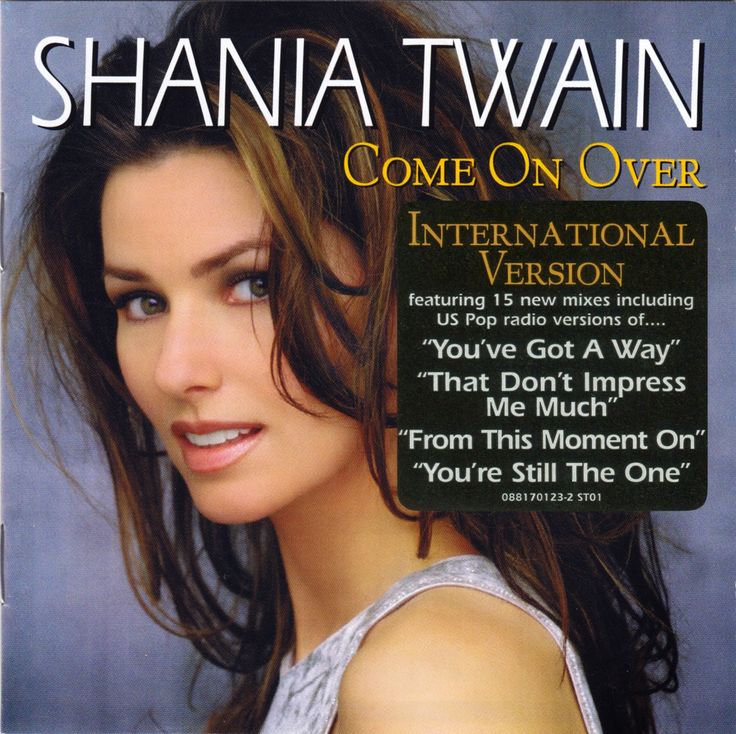

A Celebration of Liberation, Love, and the Limitless Spirit of Reinvention
When Shania Twain released Come On Over in November 1997, she wasn’t merely unveiling an album — she was inaugurating a cultural moment. The title track, “Come On Over,” served as both invitation and manifesto, embodying the confidence and crossover ambition that would propel the record to extraordinary success. As the third studio album by Twain, Come On Over would become the best-selling studio album by a female artist in any genre, and the best-selling country album of all time — a feat that redefined not only Twain’s career but the boundaries of country-pop itself. While the song didn’t dominate charts as a standalone single in every market (its release strategy varied internationally), its spirited energy became emblematic of the album’s global reach and enduring vitality.
At its heart, “Come On Over” is a song about openness — an exuberant call to abandon inhibition, to bridge divides between people through warmth and joy. It’s both an emotional and musical gesture of invitation. Co-written by Twain and her then-husband and producer Robert John “Mutt” Lange, the track carries his signature precision: tight rhythmic structures, layered harmonies, and gleaming production polish that fused Nashville twang with pop accessibility. But it’s Twain’s presence — her vivacious vocal delivery and irrepressible charisma — that transforms those technical elements into something distinctly human. She performs not just as a singer but as a host welcoming listeners into her world: confident, playful, inclusive.
Thematically, “Come On Over” sits at the core of Twain’s late-1990s message of empowerment and inclusivity. Unlike many of her contemporaries who drew strict genre lines, Twain invited everyone to join her party — country purists, pop devotees, casual listeners alike. The lyrics evoke togetherness without demanding conformity; they are about celebration without pretense. There is no heartbreak here, no brooding melancholy — only a radiant assertion that joy itself can be a form of rebellion. In an era when female voices in country music were often confined to narratives of loss or longing, Twain offered something refreshingly unburdened: happiness as strength.
Musically, the song embodies this optimism through its buoyant tempo and effervescent instrumentation — bright acoustic strums anchored by steady percussion and peppered with fiddle flourishes that nod to her country roots even as they flirt with pop modernity. The chorus bursts open like sunlight breaking through cloud cover, turning what could have been a simple genre hybrid into an anthem of connection.
Over time, “Come On Over” has become more than an album title track; it is shorthand for Shania Twain’s defining ethos — fearless reinvention paired with unfiltered sincerity. It captures the precise moment when she transformed from country star into global icon, when Nashville met international pop spectacle on equal footing. The song still radiates that generous energy decades later — an enduring reminder that sometimes the most radical artistic gesture is simply to invite everyone along for the ride.