 By Classic Oldies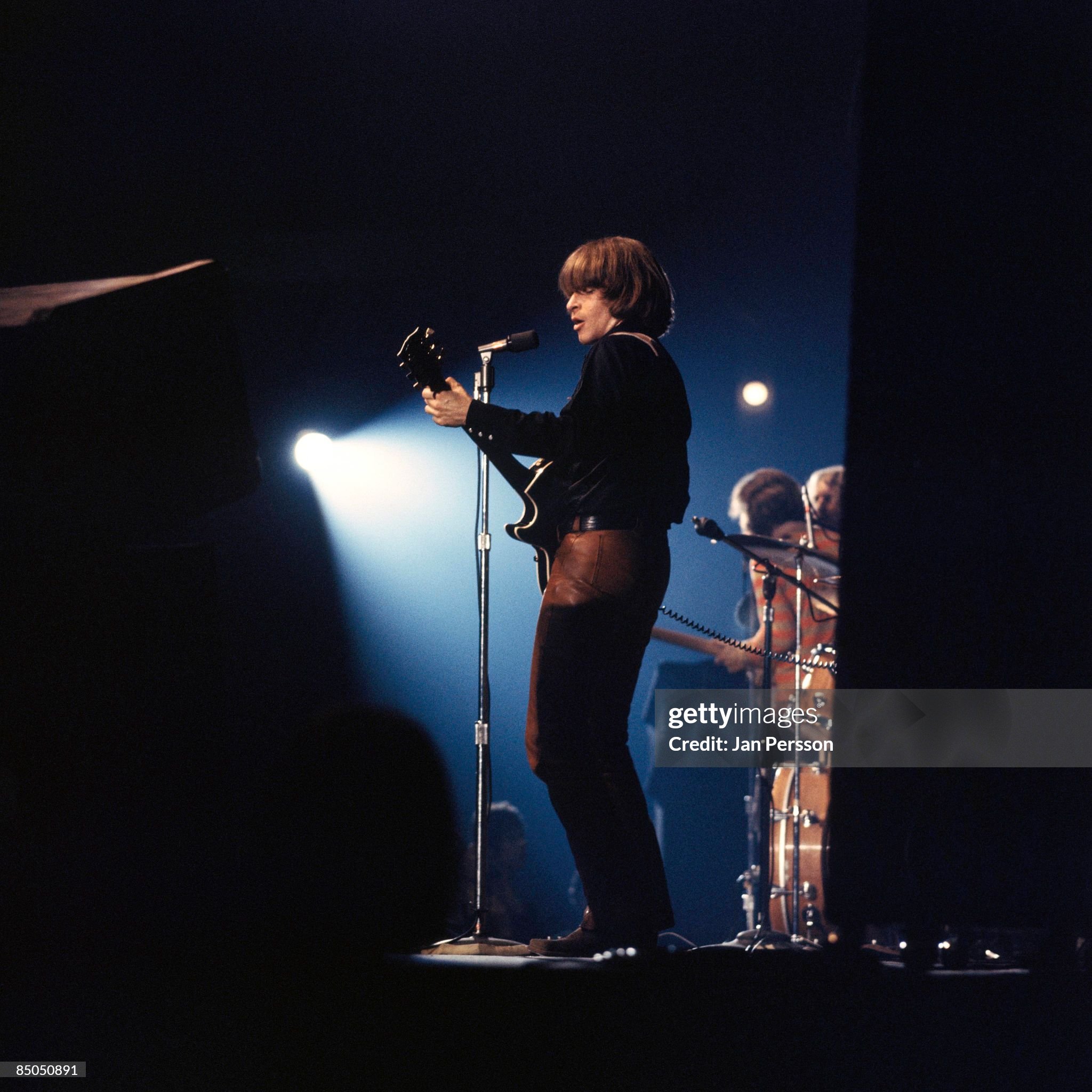
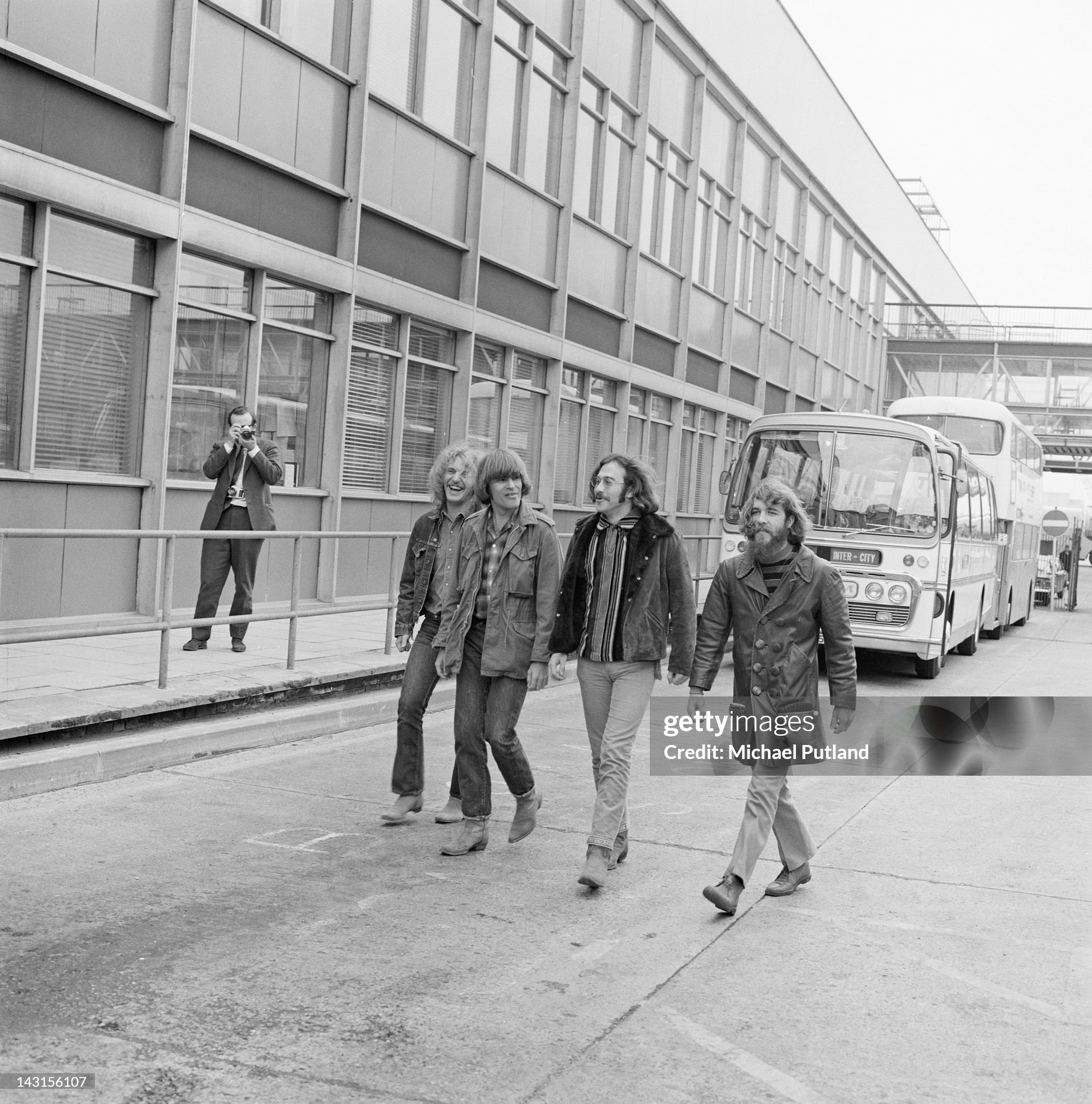
Born On The Bayou turned a California band’s imagination into one of rock’s most convincing Southern dreams, and in London, Creedence Clearwater Revival made that dream feel raw, dark, and gloriously alive.
When Creedence Clearwater Revival launched into Born On The Bayou at the Royal Albert Hall in London on April 14, 1970, the room must have felt as if it had suddenly filled with heat, river fog, and midnight electricity. It was one of those performances that reminds us why this band has never really faded from memory. They did not need gimmicks. They did not need spectacle. They needed only that slow, ominous groove, John Fogerty‘s unmistakable voice, and a song powerful enough to sound like a place, a season, and a state of mind all at once.
By the time of that London show, Born On The Bayou was already part of the foundation of the group’s legend. The song first appeared in early 1969 on Bayou Country, the band’s second album. That album reached No. 7 on the Billboard 200, while Proud Mary, issued with Born On The Bayou as its B-side, climbed to No. 2 on the Billboard Hot 100. In other words, even if Born On The Bayou was not pushed as a major standalone hit single in the United States, it arrived in the middle of a commercial breakthrough that made Creedence Clearwater Revival impossible to ignore.
And yet the song’s appeal was never just about chart movement. Its real power lies in atmosphere. This is one of the great American rock songs built on suggestion rather than explanation. The title sounds autobiographical, but that is part of its beautiful illusion. John Fogerty was born in Berkeley, California, not in Louisiana. In fact, one of the most fascinating truths behind the song is that he wrote it largely from imagination, drawing from films, books, Southern imagery, and the deep emotional pull of the American South as it existed in his mind. That is why Born On The Bayou endures. It is not journalism. It is mythmaking.
The lyrics feel like memory, even when they are invented memory. There is childhood in the opening line, there is mystery in the reference to hoodoo, and there is longing all through the song. It sounds like someone trying to get back to a place that may never have existed in exactly that form. That gives the song its haunting quality. Beneath the swamp-rock surface, Born On The Bayou is really about identity, yearning, and the kind of inner landscape people carry for years without ever naming. Many songs describe a hometown. This one describes a spiritual homeland.
The studio version on Bayou Country is already unforgettable, with its thick tremolo guitar and rolling rhythm section, but the London performance gives the song a different kind of authority. Onstage, Creedence Clearwater Revival were famously tight, and that discipline is all over this rendition. Doug Clifford‘s drumming keeps the pulse moving with relentless force, Stu Cook‘s bass anchors the whole thing with weight and patience, and Tom Fogerty‘s rhythm guitar helps maintain that dense, churning undercurrent. Over it all, John Fogerty sings not as a storyteller standing apart from the scene, but as if he is already inside it.
What makes the London version so satisfying is that it strips away any doubt about the band’s greatness as a live act. There were many groups in that era who sounded thrilling in the studio and looser onstage. CCR often did the opposite. In concert, their songs could become leaner, tougher, and even more convincing. Born On The Bayou in London does not wander. It stalks. The groove is deliberate, heavy, and patient. Every beat feels placed with purpose. The result is not flashy musicianship for its own sake, but something harder to achieve: total command of mood.
There is also a wonderful historical irony in hearing this song in London. Here is an American band from Northern California, playing for a British audience, performing a song rooted in an imagined Southern swamp. And yet nothing about it feels false. In fact, that distance may be part of the song’s magic. Great rock and roll has always been full of reinvention, of people reaching toward sounds and symbols that speak to them across geography. Born On The Bayou proves that authenticity in music is not always about literal biography. Sometimes it is about emotional conviction. If the feeling is true, the song lives.
The Royal Albert Hall concert itself has become more treasured with time because it captured Creedence Clearwater Revival at a peak moment. This was the era when the band seemed almost unstoppable, having released a remarkable run of records in a very short span. Watching or hearing them from that London stage, one understands how rare their balance was: rootsy but modern, disciplined but fierce, plainspoken but deeply evocative. They could sound radio-friendly and dangerous in the same breath.
That is why this performance still lingers. Born On The Bayou is not merely a song about a region. It is a song about the power of atmosphere, the pull of memory, and the strange way music can give us places to belong to, even if we have never been there. In London, far from any real bayou, Creedence Clearwater Revival made that illusion feel completely, wonderfully real. And perhaps that is the highest compliment any song can earn: it creates a world, then invites us to step inside and believe it.