 By Classic Oldies
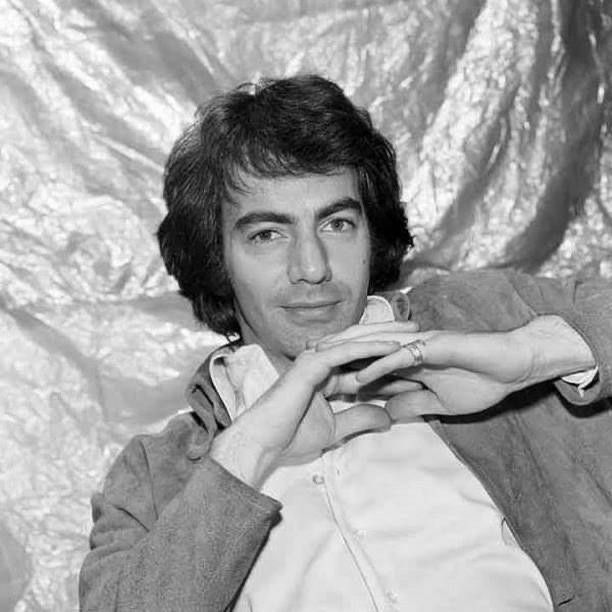
In Neil Diamond’s hands, Monday, Monday feels less like a passing pop hit and more like a quiet confession about how quickly joy can turn uncertain.
There are songs that belong to their era, and then there are songs that somehow keep following us through the years, changing shape as our own memories change shape. Monday, Monday is one of those songs. When listeners seek out Neil Diamond singing it, what they often hear is not simply a cover, but a meeting between two very different kinds of American pop emotion: the soft California ache of The Mamas & the Papas, and the deeply human, conversational melancholy that has always lived inside Diamond’s voice.
The chart story begins long before Diamond’s interpretation. Written by John Phillips and released by The Mamas & the Papas in 1966, Monday, Monday became the group’s first No. 1 single on the Billboard Hot 100. It also appeared on their landmark debut album, If You Can Believe Your Eyes and Ears, and went on to earn a Grammy, confirming that this was not just another radio favorite from the folk-pop explosion of the mid-1960s. The strange thing is that the song never sounded entirely comfortable inside its own success. Even at its peak, it carried a tremor of doubt.
That is the genius of the writing. On paper, the lyric seems almost simple. It is built around repetition, hesitation, and contradiction: Monday comes, Monday goes, Monday can’t be trusted, yet suddenly Monday can be fine if love is still near. That emotional instability is exactly what gives the song its staying power. It is not really about a day of the week. It is about fragile happiness. It is about how quickly the heart learns that even a beautiful moment may not last until morning.
John Phillips reportedly wrote the song very quickly, and part of its legend is that he himself was not entirely convinced by the phrase Monday, Monday at first. Yet that awkwardness became its magic. The title sounds ordinary, almost too ordinary, which makes the song’s emotional weight all the more surprising. Beneath those famous harmonies is a deep unease. The melody rises sweetly, but the feeling underneath is unsettled, as if the singer is smiling only because the alternative would be to admit how worried he really is.
That is why Neil Diamond is such an intriguing artist to connect with this song. He never needed to manufacture emotional gravity; it was already there in his phrasing, in the way he could make a single line sound as though it had lived through years of experience before reaching the microphone. Diamond’s relationship to material like Monday, Monday is revealing because he does not treat it as a museum piece. He hears the bruise inside it. Where the original recording floats on elegant group harmony, Diamond brings the listener closer to the solitary thought at the center of the lyric. The uncertainty feels more personal, more inward, almost as if the song has aged with the listener.
And that, perhaps, is the real reason a song like this survives. It can meet us at different stages of life without losing its meaning. In youth, Monday, Monday sounds like a sophisticated pop lament, wistful and beautifully sung. Later, it can sound like something else entirely: a reminder that ordinary days carry some of our most delicate emotional reckonings. The song understands the feeling of waking up and realizing the mood has changed, the promise has shifted, the room is the same but the heart is not.
Neil Diamond has always been one of popular music’s great interpreters of emotional weather. Even when singing songs not born from his own pen, he brings a storyteller’s instinct to them. That is why his connection to Monday, Monday feels so natural. The song lives in the same territory as many of his finest performances: tenderness shadowed by disappointment, warmth touched by distance, the everyday transformed into something quietly profound.
It is also worth remembering that while Diamond’s version is appreciated by listeners who enjoy hearing him step into classic material, the historic chart triumph belongs to the original recording by The Mamas & the Papas. Their 1966 release remains the defining commercial milestone, and rightly so. But interpretation has its own kind of truth. A great song does not end with its first hit version; it reveals new shades when another voice finds its hidden corner.
That is what makes Neil Diamond and Monday, Monday such a compelling pairing. He does not try to compete with the song’s history. He listens to it. He enters its uncertainty. And in doing so, he reminds us why this old hit still lingers so powerfully: because everyone knows what it feels like when a perfectly ordinary day suddenly carries more hope, and more loneliness, than it should.