 By Classic Oldies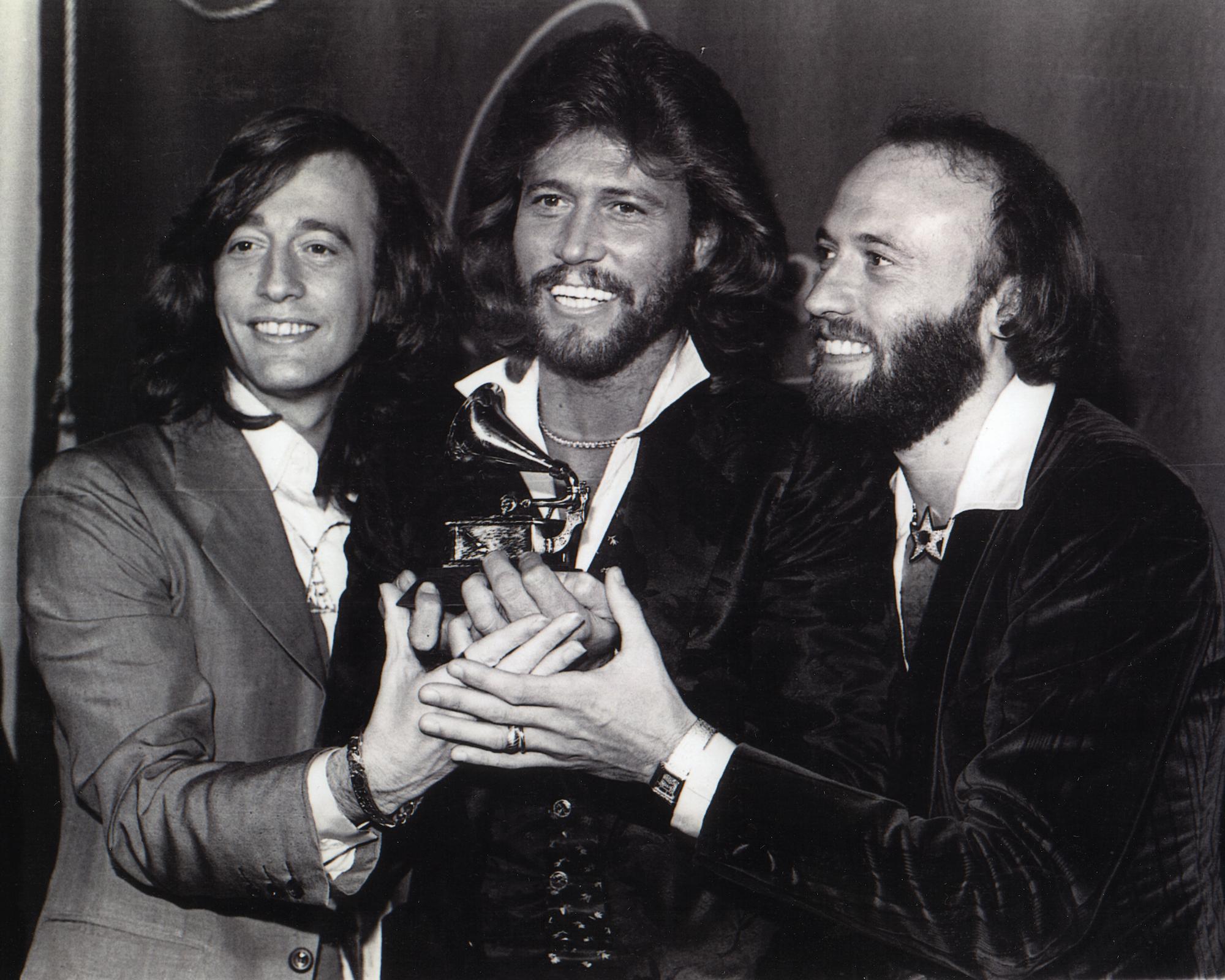
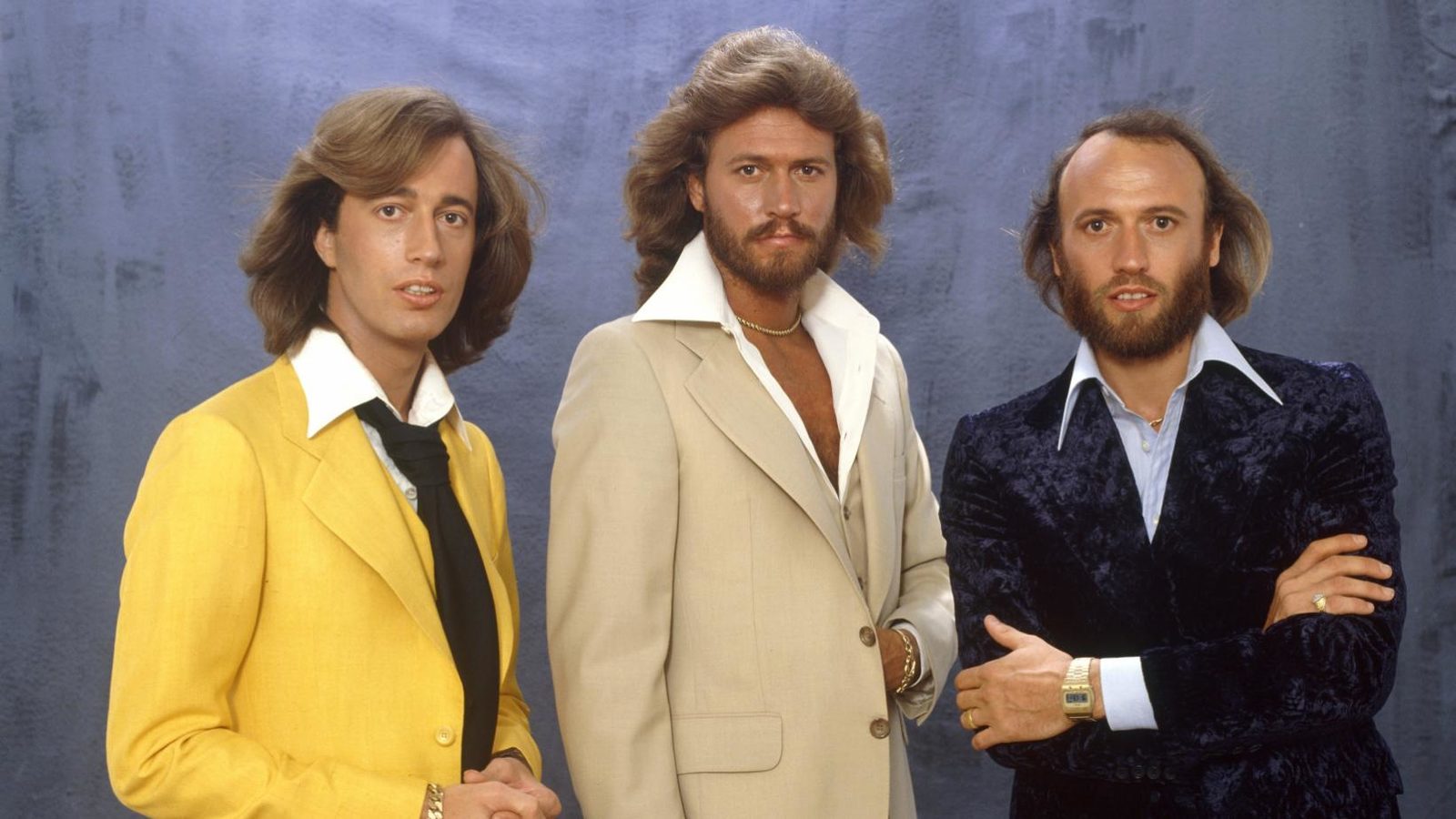
At the MGM Grand, Bee Gees turned Our Love (Don’t Throw It All Away) into something deeper than a ballad: a plea, a memory, and one of the softest emotional peaks of One Night Only.
When people remember the Bee Gees, they often begin with the glitter and momentum of the late 1970s: the immaculate harmonies, the falsetto magic, the songs that seemed to move with both heartbreak and rhythm at once. But at the MGM Grand in Las Vegas, during the 1997 concert later released as One Night Only, they reminded the world that their gift was never limited to disco brilliance. In Our Love (Don’t Throw It All Away), they reached back into a gentler, more vulnerable corner of their catalog and gave the song a live performance that felt almost private, even inside a grand arena.
One important detail deserves to be placed near the beginning, because it explains why this song carries such a particular emotional weight. Our Love (Don’t Throw It All Away) was written by Barry Gibb and Blue Weaver. Before many listeners came to know it as a Bee Gees performance, it became a hit through Andy Gibb, whose 1978 recording climbed to No. 9 on the Billboard Hot 100. The Bee Gees later recorded their own version for the 1979 album Spirits Having Flown, with Barry singing lead. That means the song already arrived with history attached to it: a family connection, a chart legacy, and a bittersweet sense that it belonged to more than one chapter of the Gibb story.
By the time the brothers performed it at the MGM Grand on November 14, 1997, the song had aged beautifully. So had they. This was no longer simply a polished late-70s studio ballad tucked inside a major album. In Las Vegas, it became a lived-in song, one shaped by time, reflection, and the unmistakable emotional seasoning that only years can bring. The setting mattered too. One Night Only was a major television and concert event, filmed in a room large enough for spectacle, yet the performance of Our Love (Don’t Throw It All Away) seemed to narrow that vast space into something intimate. It felt as though the audience was being asked not just to listen, but to remember.
Musically, the song is one of the loveliest examples of how the Bee Gees could make restraint feel powerful. It does not depend on a dramatic hook in the obvious sense. Instead, it leans on tenderness, phrasing, and emotional patience. The lyric is simple but piercing: do not give up on something precious in a moment of pain or distance. Do not let pride or confusion become permanent loss. That is the song’s central meaning, and it is exactly why it survives. So many love songs declare passion; this one pleads for preservation. It understands that love can be fragile not because it is weak, but because it is deeply human.
In the live arrangement at the MGM Grand, Barry Gibb carried the lead with remarkable warmth. His voice, older and slightly rougher than it had been on the original studio recording, gave the lyric an added ache. There was maturity in every line. He did not sound like a man discovering sorrow for the first time; he sounded like someone who had learned how much can disappear when people fail to hold on. Around him, Robin Gibb and Maurice Gibb provided the kind of harmonies that had always made the group singular. The blend was still unmistakably theirs, but there was more gravity in it now, more silence between the notes, more room for the words to settle.
That is one reason this performance continues to resonate. It strips away old categories. For anyone who tried to reduce the Bee Gees to one era, one sound, or one cultural moment, this rendition offers a quiet correction. Here were three brothers standing before a live audience, not chasing fashion, not leaning on nostalgia as a trick, but simply singing with conviction. And the song rewarded that approach. It unfolded like a conversation after midnight, the kind in which very little is said loudly, yet everything important is understood.
There is also an unspoken tenderness in the background of this song that many listeners feel, whether or not they articulate it. Because of its strong association with Andy Gibb, Our Love (Don’t Throw It All Away) never sounds entirely separate from family memory. When the Bee Gees sang it, especially in a major live setting like One Night Only, the performance carried more than melody. It carried lineage. It carried affection. It carried the sense that songs, within some families, are not just material for records and stages but vessels that keep voices close across time.
Spirits Having Flown, the album that featured the Bee Gees’ studio version, was itself a monumental record, arriving at the height of the group’s commercial power and producing major hits such as Too Much Heaven, Tragedy, and Love You Inside Out. Yet Our Love (Don’t Throw It All Away) has always felt like a different kind of treasure. It is not the song that storms into the room demanding applause. It is the one that stays behind after the bright lights fade, the one that returns years later and suddenly says more than it once did.
That is the true beauty of the MGM Grand performance. It revealed the song not as a catalog entry, but as a mature statement about love, regret, and the quiet courage required to keep something whole. In that live moment, the Bee Gees did what great artists do in later years: they took a familiar song and showed that it had grown wiser. Listening now, one hears not only the elegance of their harmonies but also the tenderness of men who understood the cost of letting anything meaningful slip away.
And perhaps that is why this version still lingers. It is not flashy. It does not need to be. Bee Gees at the MGM Grand, singing Our Love (Don’t Throw It All Away), offered something rarer than spectacle. They gave the audience a moment of grace, and in doing so, they reminded us that some songs are not meant to age out of our lives. They are meant to ripen there.