 By Classic Oldies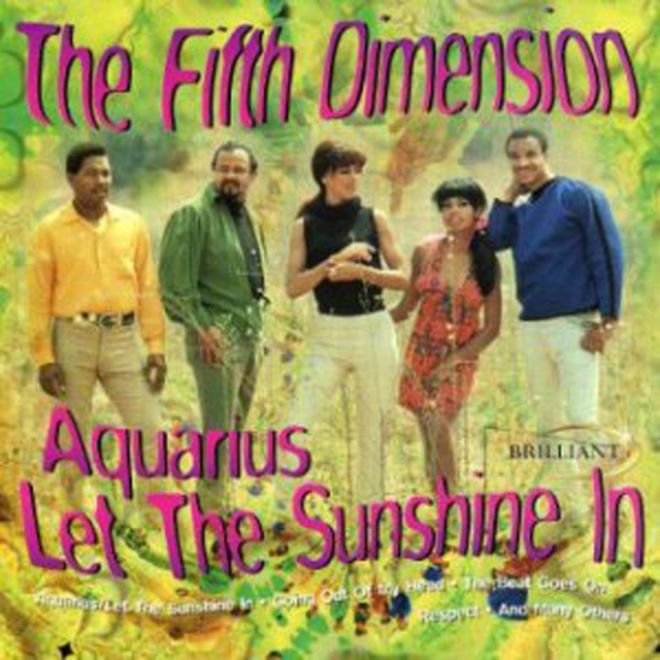
A Cosmic Hymn to Hope, Harmony, and the Dawning of a New Age
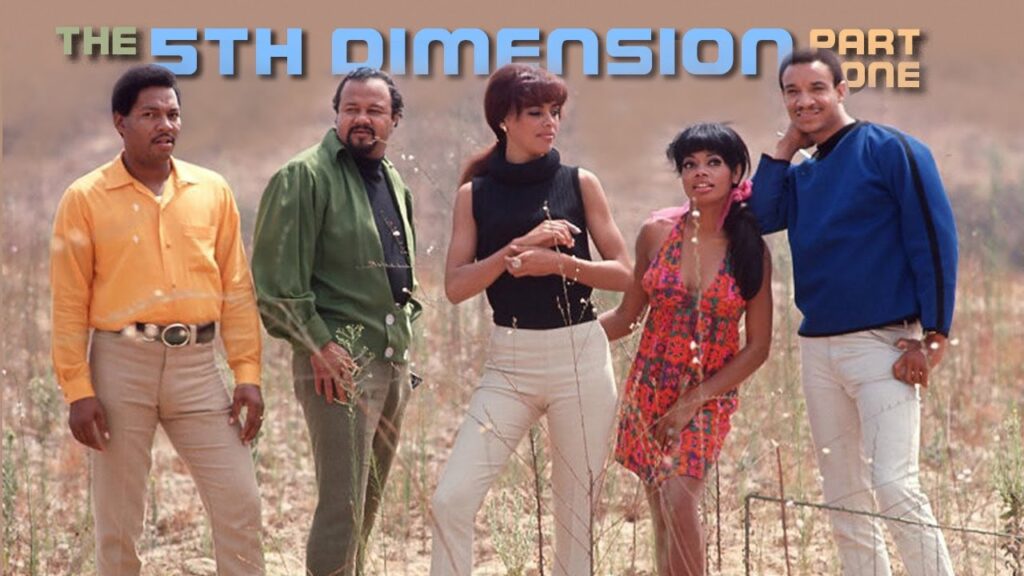
When The 5th Dimension released “Aquarius/Let the Sunshine In” in 1969, the world seemed poised on the edge of transformation. Drawn from the groundbreaking countercultural musical Hair, this medley became an anthem for a generation seeking renewal. Featured on their album “The Age of Aquarius,” the single soared to No. 1 on the Billboard Hot 100, holding its place there for six consecutive weeks and earning two Grammy Awards, including Record of the Year. Its success marked not only a high point in the group’s career but also a crystallization of late-1960s optimism—an era when pop music dared to sound celestial while speaking directly to the human yearning for unity and peace.
Behind this triumph lay a brilliant fusion of musical sensibilities. The members of The 5th Dimension, guided by producer Bones Howe, transformed two separate songs from Hair—“Aquarius” and “Let the Sunshine In”—into a seamless suite that transcended its theatrical origins. The result was both innovative and accessible: gospel-tinged harmonies gliding over lush orchestration, propelled by rhythm and brass that shimmered with the light of Motown polish. It was soul music filtered through sunshine pop, carrying with it the pulse of Los Angeles studio sophistication and the dreamlike promise of a new cultural dawn.
Lyrically and spiritually, the song operates as both invocation and benediction. “Aquarius” envisions an astrological shift—a metaphoric turning of the cosmic clock—where humanity steps into enlightenment, harmony, and understanding. It speaks to collective awakening, to a moment when love and empathy replace conflict and division. Then comes “Let the Sunshine In,” an open-hearted plea that turns cosmic prophecy into personal participation: illumination not as destiny, but as choice. Together, these two halves form an emotional journey—from prophecy to action, from abstract hope to radiant surrender.
Part of what gives “Aquarius/Let the Sunshine In” its enduring resonance is its ability to balance grandeur with sincerity. Beneath its soaring vocal arrangements lies something profoundly human: the desire to believe that music itself can usher in change. Marilyn McCoo’s luminous voice leads with a kind of spiritual clarity, while Billy Davis Jr.’s impassioned responses inject raw urgency into that utopian vision. This interplay between serenity and fervor mirrors the late ’60s itself—a decade caught between idealism and upheaval, between dreams of universal peace and the harsh realities that challenged them.
Today, more than half a century later, the song remains both artifact and oracle—a time capsule from an age intoxicated with possibility, yet still whispering truths we have not outgrown. Each listen rekindles that shimmering faith that art can align hearts as surely as planets, that even amid dissonance we might find our way back toward light. “Aquarius/Let the Sunshine In” endures because it does not simply chronicle an era; it continues to beckon us toward one that has yet to fully arrive.