 By Classic Oldies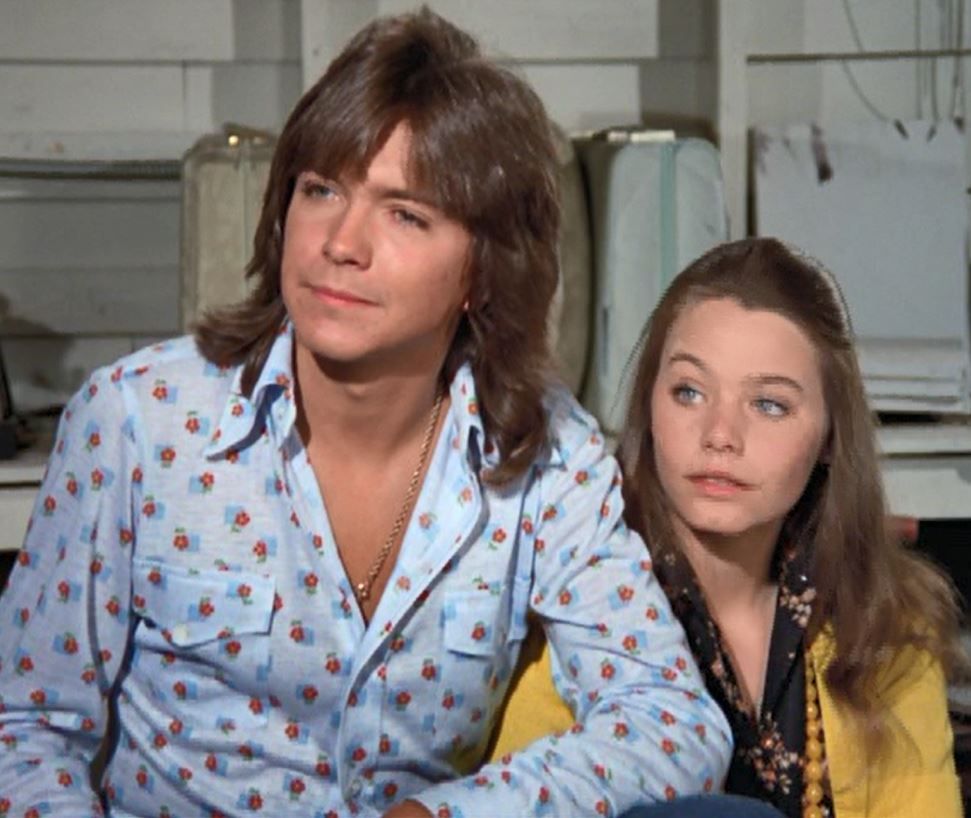
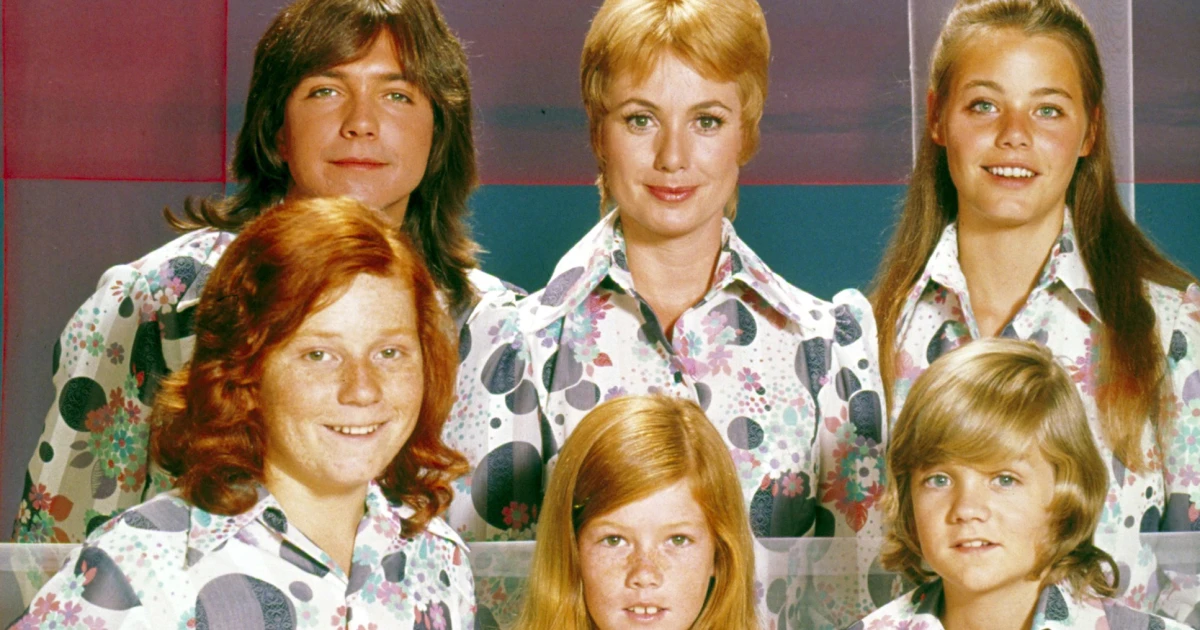
Come On Get Happy was more than a television theme for The Partridge Family.
It became a weekly invitation into a brighter, gentler American pop dream where music could still make a family feel whole.
When The Partridge Family burst onto television in 1970, Come On Get Happy arrived with it like a smile at the front door. The ABC series premiered on September 25, 1970, and from the very beginning this song was not simply there to open a show. It was there to set a mood, to announce a promise, to tell viewers that for the next half hour the world might feel a little lighter. In chart terms, its story is unusual. Unlike I Think I Love You, the group’s breakout smash that reached No. 1 on the Billboard Hot 100 in late 1970, Come On Get Happy was not the big standalone U.S. hit single that carried its own major chart run. Its original impact came through television first, through repetition, familiarity, and affection. That may actually explain why it lasted so long in memory. It did not need to arrive once. It arrived every week.
The song was written by Wes Farrell and Danny Janssen, two names deeply tied to the polished, irresistible machinery behind The Partridge Family. Farrell, who also helped shape the group’s sound as a producer, understood something essential about pop in that era: a catchy melody was not enough. A song had to create a world. And Come On Get Happy did exactly that. Before many viewers could have named the chord changes or remembered every lyric, they already knew the feeling. There was motion in it, a little bounce in the rhythm, a bright chorus built to gather everybody in. It sounded like sunshine painted onto a school bus.
That bus, of course, became part of the mythology. The series, loosely inspired by the real-life family band The Cowsills, followed a widowed mother and her musical children as they traveled, performed, and stumbled through the cheerful confusions of everyday life. Over those opening credits, Come On Get Happy did the job of a theme song beautifully: it introduced the family not with heavy exposition, but with spirit. The message was simple and immediate. Music was not just what they did. Music was the way they moved through life together.
There is also a small but lovely detail longtime fans often remember: the theme existed in slightly different television forms over the run of the show. The first-season opening, with its fuller introductory lyric, carried an especially buoyant charm, while later openings streamlined the arrangement and moved more quickly toward the famous refrain. That matters because for many listeners, memory of Come On Get Happy is not tied to one definitive radio version in the usual way. It lives in the mind as television sound, as opening credits, as color, motion, and household ritual. A few notes, and an entire era rises.
Musically, the song belongs to that bright turn-of-the-decade space where bubblegum pop, television polish, and studio craftsmanship met in perfect proportion. Yet dismissing it as lightweight would miss the deeper reason it still matters. Its cheerfulness was not accidental fluff. It was part of a national mood. By 1970, the optimism of the previous decade had already been tested and complicated. Into that atmosphere came a family pop fantasy that did not pretend the world was complicated beyond repair. Instead, it offered harmony, movement, and warmth. Come On Get Happy was not trying to be profound in the confessional singer-songwriter sense. Its meaning was more communal than personal. It said, in effect, that joy could still be organized, sung in unison, and shared.
And yet there is a fascinating contradiction at the heart of The Partridge Family that gives the song an extra layer of emotional texture today. The group itself was fictional, built for television, and much of the music was created with expert studio help behind the scenes. David Cassidy quickly became the unmistakable vocal and cultural center of the project, while Shirley Jones brought grace and credibility to the family image. In other words, the whole thing was carefully assembled. But the feeling it produced was real. That is why so many listeners remain attached to it. People do not cherish Come On Get Happy because they were fooled by the machinery. They cherish it because the machinery delivered something genuine: comfort, momentum, and a sense of belonging.
The lyrics themselves are wonderfully direct. They do not hide behind mystery. They reach outward. They invite. They promise love, singing, and togetherness. In a more cynical age, such openness can seem almost radical. There is no armor in this song. No pose. No distance. Its happiness is presented not as a private luxury, but as something meant to be passed around. That generosity is part of its lasting charm. Many famous songs survive because they reveal pain with unusual honesty. Come On Get Happy survives because it offers joy with unusual confidence.
Its cultural footprint, then, is larger than its formal chart record as a single might suggest. For countless viewers, it is inseparable from after-school television, from family rooms, from that unmistakable visual of a brightly painted bus rolling into another episode. It also stands as one of the clearest reminders of how television once made songs part of everyday life in a uniquely intimate way. Not through algorithm, not through endless choice, but through return. You heard it again and again until it became part of your own story.
That is the real legacy of Come On Get Happy. It captured the cheerful heart of The Partridge Family, introduced the world to one of the defining pop phenomena of the early 1970s, and proved that a theme song could outgrow its function and become a lasting piece of emotional memory. It may not carry the classic chart legend of the group’s biggest singles, but in another sense it won a bigger victory. It stayed. And decades later, that invitation still sounds the same: step inside, bring your worries with you if you must, and let the music try to lift the room.