 By Classic Oldies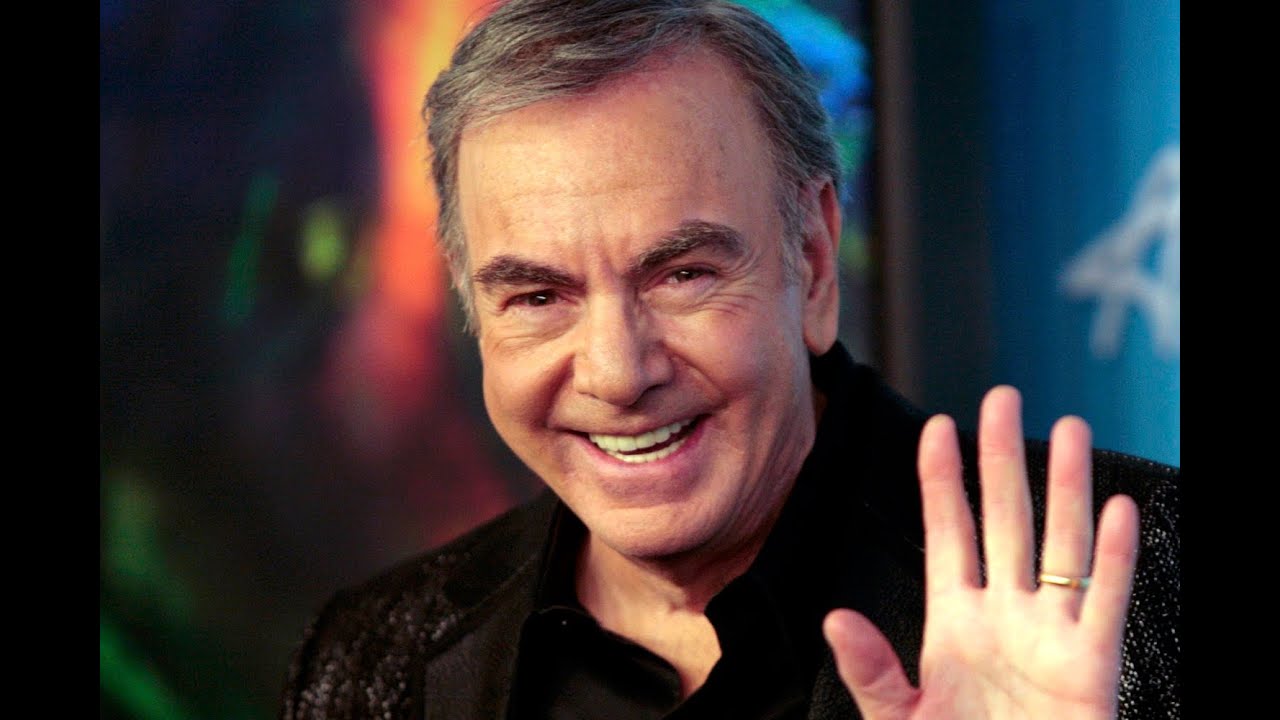
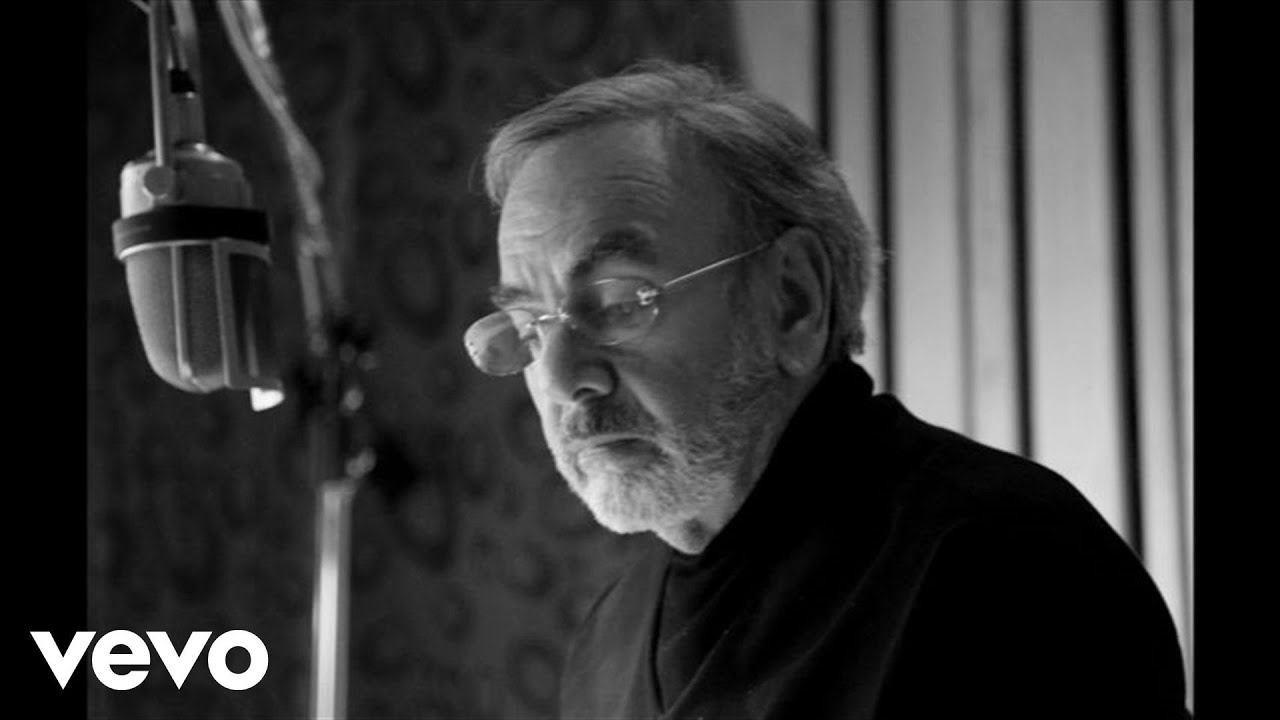
Neil Diamond turns I (Who Have Nothing) into a tender, wounded confession about loving deeply while standing outside the life you cannot give.
Some songs arrive with applause built into them. Others survive because they touch a bruise that never quite fades. I (Who Have Nothing), in the hands of Neil Diamond, belongs to that second kind. It is not one of the giant Neil Diamond chart smashes that defined radio for years, and his version was not a major standalone hit on the Billboard Hot 100. But that very fact gives the performance a different kind of power. It feels less like a career move and more like an artist stepping into a song because he understands its loneliness from the inside.
The song itself already carried a remarkable history before Diamond touched it. It began in Italy as Uno dei tanti, written by Carlo Donida and Mogol. In English, it was reshaped by the great songwriting team of Jerry Leiber and Mike Stoller, and it quickly became a dramatic showcase for strong, emotionally exposed singers. Ben E. King took the English version to No. 29 on the Billboard Hot 100 in 1963, while Shirley Bassey turned it into a storm of heartbreak and grandeur, reaching No. 6 on the UK Singles Chart that same year. By the time Neil Diamond approached it, the song already had stature. What he added was not chart mythology, but emotional weight of a different sort: a sense that the man singing it has learned how pride and vulnerability can live in the same breath.
That is the hidden strength of I (Who Have Nothing). On paper, the lyric is stark and almost brutally simple. A man stands before the woman he loves and admits that he has no fortune, no social standing, no shining advantage to offer her. Another man can give her the world, at least the visible world. All he can give is devotion. It is a song of class difference, longing, humiliation, and stubborn love. What makes it endure is that it never pretends love is always enough. It understands that life measures people by more than feeling, and that heartbreak often begins there.
This theme fits Neil Diamond more naturally than some listeners might expect. Even in his biggest songs, there was often a tension between public confidence and private ache. He could sound commanding one moment and deeply alone the next. That quality made him far more than a hitmaker. It made him a storyteller of emotional distance, of men who reach outward while carrying some quiet fracture within. In that sense, I (Who Have Nothing) sits comfortably beside the deeper emotional undercurrent heard in songs like Solitary Man or I Am… I Said, even though it was not one of his own compositions.
What Diamond brings to the song is not the velvet theatricality of Shirley Bassey or the soul anguish of Ben E. King. He brings something earthier, more conversational, and in some ways more exposed. His voice, with its grain and force, has always carried the sound of a man trying to stay upright while emotion presses hard against him. In I (Who Have Nothing), that vocal character matters immensely. He does not merely sing about lacking wealth or status. He sounds as if he has already measured the distance between himself and the life he cannot enter. The result is not self-pity. It is dignity under pressure.
That may be why the song can feel so intimate even when it rises into dramatic phrasing. Beneath the famous declaration is something painfully recognizable: the fear that love may be sincere and still not be enough to change the outcome. Many songs promise triumph. This one offers truth. The narrator does not claim he will win. He only insists that what he feels is real. There is extraordinary sadness in that, but also honor. And Neil Diamond, perhaps better than many interpreters, understands how to give that kind of wounded honor a human voice.
There is also something moving about hearing an artist so strongly associated with his own songwriting step into a well-traveled standard and reveal how much of himself he can still leave inside it. Diamond built his legacy through songs that bore his unmistakable fingerprint, yet performances like I (Who Have Nothing) remind us that a great singer does more than deliver familiar material. He uncovers where his own life and the song’s life meet. Here, they meet in yearning, in restraint, and in the old ache of standing just outside the door of happiness.
That is why this performance lingers. It is not simply about poverty, or jealousy, or romantic defeat. It is about the unbearable imbalance between what the heart can feel and what the world is willing to value. In an age that often rewards display, I (Who Have Nothing) still speaks with unusual force because it gives dignity to the one who has almost nothing visible to offer. And when Neil Diamond sings it, that dignity becomes the whole point. He does not erase the sorrow. He gives it shape, depth, and a voice strong enough to carry it.
Long after the last note, that is what remains: not spectacle, not competition with earlier hit versions, but the feeling of a man telling the hardest truth he knows. Sometimes that is more lasting than a chart position. Sometimes that is exactly why a song stays with us.