 By Classic Oldies
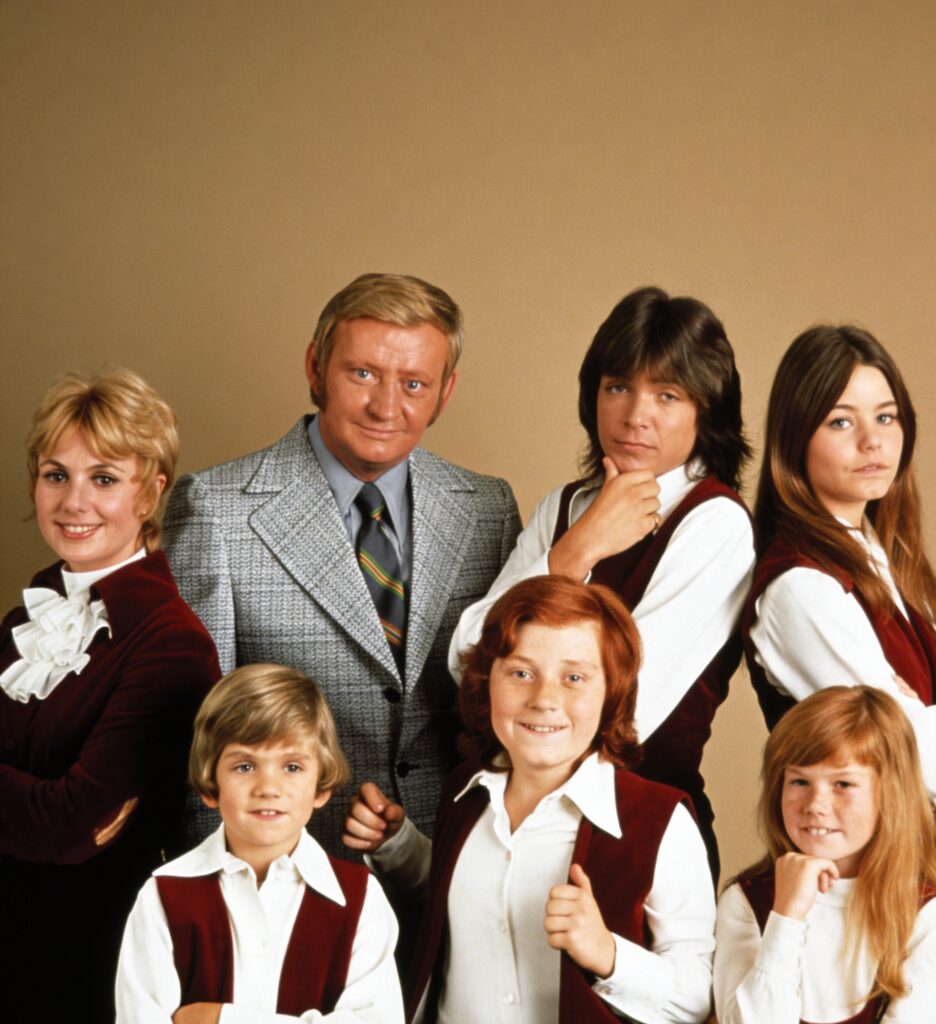
Stephanie is one of those overlooked The Partridge Family recordings that quietly reveals how much feeling could live beneath the group’s bright television-era pop surface.
Not every song in the The Partridge Family catalog arrived with the force of a hit single, and that is exactly why Stephanie is worth returning to. Unlike signature smashes such as I Think I Love You, which reached No. 1 on the Billboard Hot 100 in 1970, or Doesn’t Somebody Want to Be Wanted, which climbed to No. 6 in 1971, Stephanie was not one of the group’s major U.S. chart singles and did not earn a separate Hot 100 peak of its own. That alone helps explain why so many casual listeners missed it. But for those willing to dig past the best-known titles, the song offers something more private and, in its own gentle way, more revealing.
Part of the beauty of Stephanie lies in how unforced it feels. The Partridge Family may have been born from television, but the recordings themselves were often crafted with real care. Under the polished pop supervision associated with the group’s Bell Records years, and with David Cassidy carrying much of the emotional weight on lead vocals, even the lesser-known songs could hold a surprising tenderness. Stephanie belongs to that quieter side of the catalog: less built for instant singalong excitement, more shaped like a personal confession set to melody.
That difference matters. When listeners think of The Partridge Family, they often remember the bright harmonies, the cheerful bus, and the buoyant spirit of early-1970s pop. But Stephanie reminds us that the group’s appeal was never only about catchy hooks. There was also vulnerability in those records, especially when David Cassidy leaned into a softer, more intimate vocal. On a song like this, he does not sound as though he is performing for a television audience. He sounds closer, almost as if he is singing to one person and hoping the rest of us are quiet enough not to interrupt.
The title itself gives the song a direct emotional focus. A song built around a single name often carries the feeling of a memory, a plea, or a letter that was never fully sent. That is part of what gives Stephanie its lasting charm. Rather than pushing toward drama, it lets feeling gather slowly. There is longing in it, but not the oversized heartbreak of a grand pop production. Instead, the song suggests the smaller ache that many great pop records understand so well: the ache of thinking about someone in a way that feels deeply personal, even when the words remain simple.
And perhaps that is the real story behind the song’s endurance among devoted fans. Because it was not overplayed, because it was not frozen forever by a giant chart number, Stephanie still feels discoverable. It allows listeners to meet The Partridge Family outside the shadow of nostalgia’s most familiar moments. In doing so, it also lets David Cassidy emerge not merely as a teen idol of his era, but as a singer who understood how to make vulnerability sound believable inside a pop format.
There is also something meaningful about hearing a song like this now, decades later. Time changes the way we hear youthful pop. What once sounded sweet can begin to sound wistful. What once seemed lightweight can reveal a hidden sincerity. Stephanie benefits from that second hearing. Its emotional scale is modest, but that modesty is its strength. It never strains to prove its importance. It simply stays with you.
For listeners who know only the big radio staples, Stephanie can feel like opening an old album and finding a page that somehow escaped notice the first time around. It captures the softer side of The Partridge Family story: the side where melody, innocence, and yearning meet without fanfare. And in a catalog so often remembered for its brightest moments, that quiet grace may be exactly what makes this song special.
In the end, Stephanie stands as a reminder that the most rewarding songs are not always the ones that climbed the highest. Sometimes they are the ones left waiting just beyond the spotlight, still carrying their feeling intact, still ready to be heard as if for the first time.