 By Classic Oldies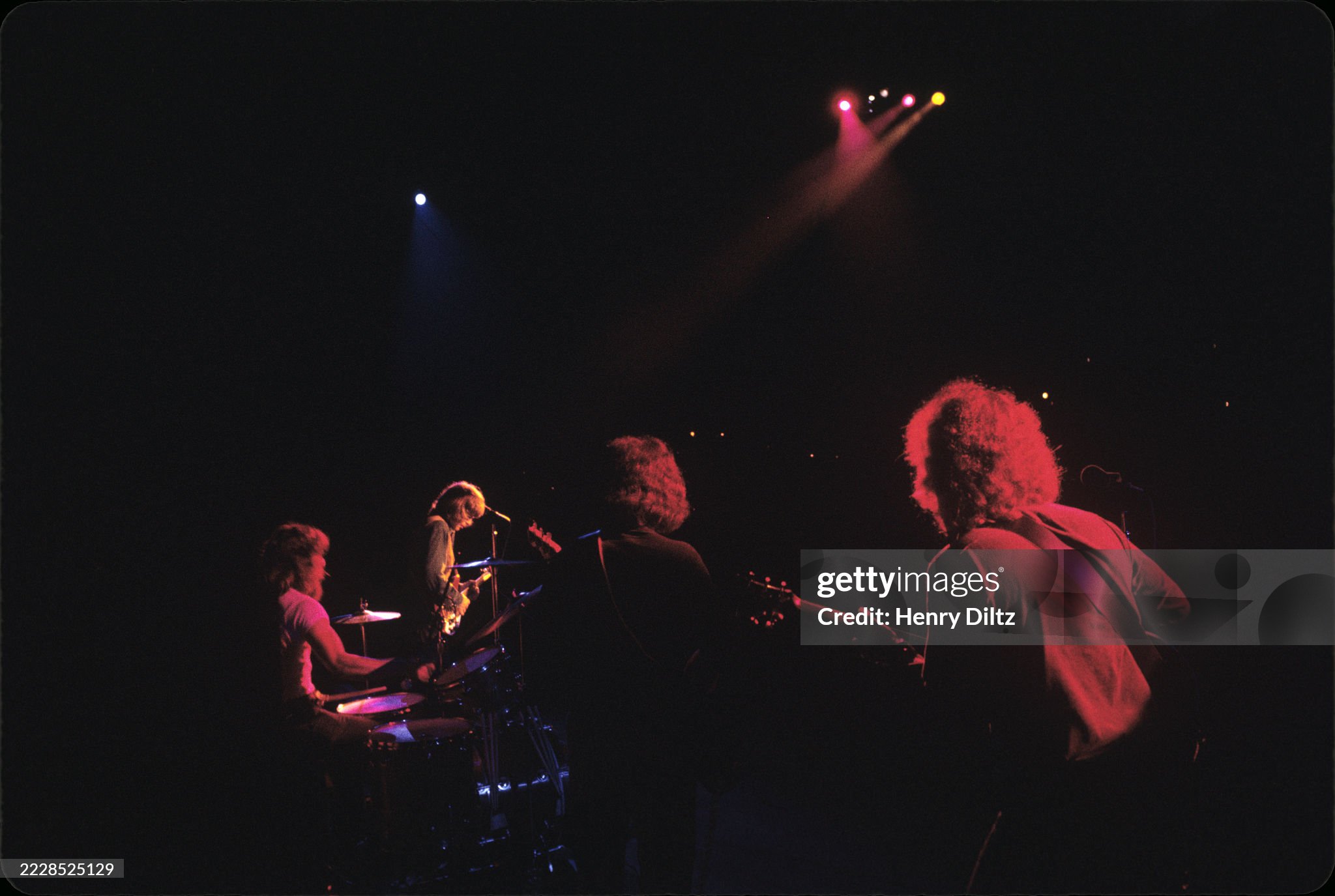
Good Golly, Miss Molly became something fiercer in the hands of Creedence Clearwater Revival—a classic rock and roll shout turned into a rough, gasoline-scented burst of swamp-rock energy.
When Creedence Clearwater Revival released Bayou Country in January 1969, the album helped confirm that this lean California band could sound older, deeper, and more dangerous than many of their contemporaries. The record climbed to No. 7 on the Billboard 200, a major step forward in the group’s rise. Tucked inside that album was Good Golly, Miss Molly, not a standalone charting single for CCR, but one of those explosive tracks that told listeners exactly where the band’s heartbeat came from. If Proud Mary gave them a breakthrough anthem, Good Golly, Miss Molly showed how completely they understood the unruly soul of early rock and roll.
Of course, the song already had history by the time CCR got to it. Written by John Marascalco and Robert Blackwell, Good Golly, Miss Molly had been immortalized by Little Richard in 1958. His original version was no ordinary hit. It was a jolt of electricity from the first great age of rock and roll, reaching No. 10 on the Billboard pop chart and No. 4 on the R&B chart. That performance, driven by pounding piano, wild joy, and Little Richard’s ecstatic vocal fire, became one of the defining records of the era. So when CCR chose to record it, they were not simply filling space on an album. They were stepping into sacred territory.
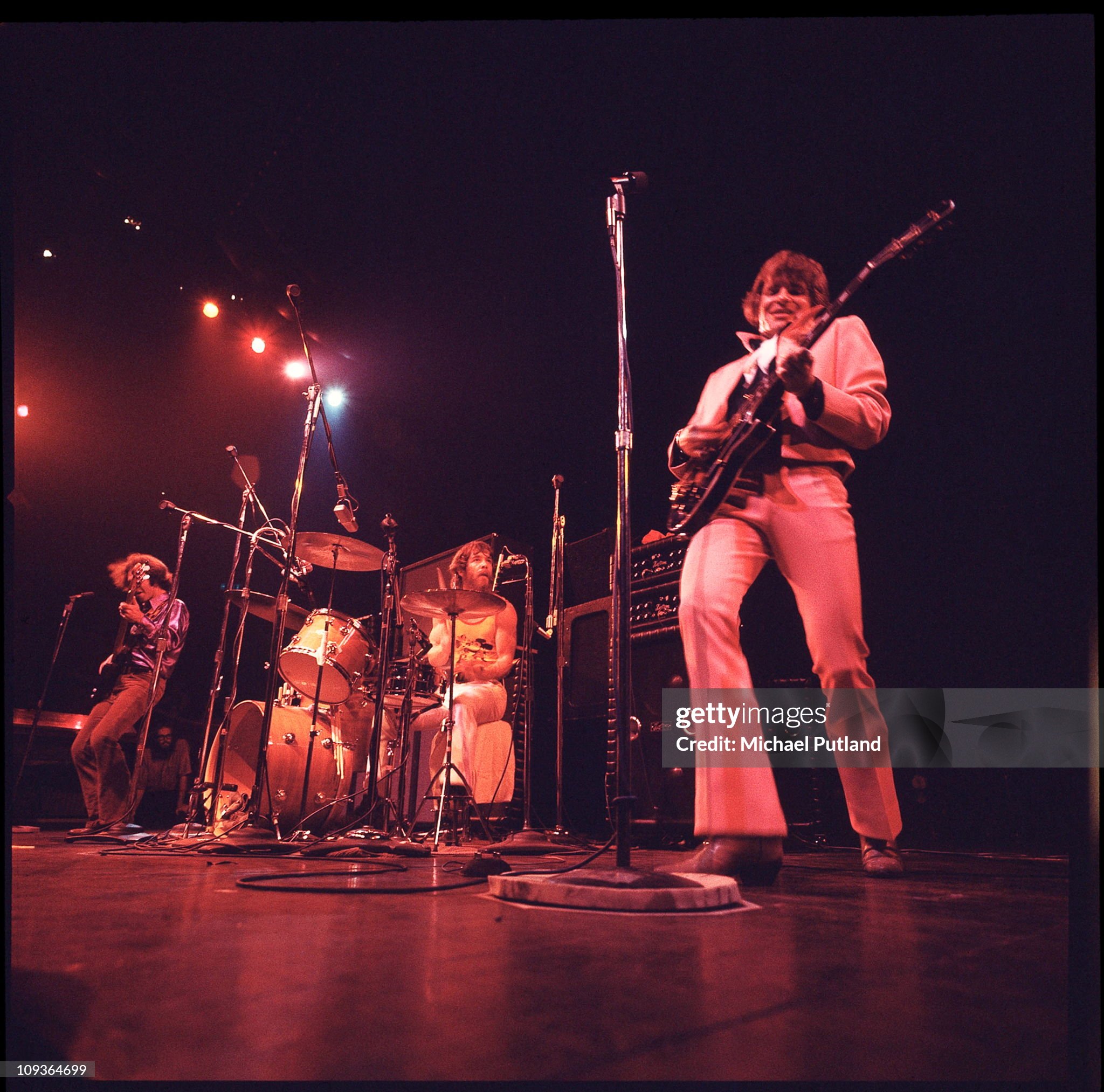
What makes the Creedence Clearwater Revival version so memorable is that it does not try to imitate Little Richard. That would have been a losing battle. Instead, the band translates the song into its own language. The piano-centered frenzy of the original gives way to a thicker, guitar-led attack. John Fogerty does not sound flamboyant or theatrical; he sounds hungry, urgent, almost gritty enough to scrape the paint off the walls. Behind him, the band plays with a hard, unpretentious drive that became one of CCR’s greatest strengths. Tom Fogerty, Stu Cook, and Doug Clifford do not decorate the song. They push it forward.
That is part of the deeper story behind this recording. By 1969, rock music was moving in many directions at once. Psychedelia had stretched songs outward. Studio experimentation had become fashionable. Albums were growing more ornate, more conceptual, sometimes more self-conscious. But Creedence Clearwater Revival had a gift for cutting through all that with something elemental. Their Good Golly, Miss Molly feels like a reminder that before rock became artful, it was physical. It shook rooms. It rattled radios. It made people move before they had time to analyze why.
The meaning of the song itself has always lived in that sense of unstoppable motion. On the surface, it is playful, flirtatious, full of youthful heat and kinetic release. Yet in CCR’s hands, the meaning widens. It becomes less about one girl in one song and more about the spirit of rock and roll refusing to grow polite. There is a wonderful contradiction in the performance: it honors the past, but it never feels museum-like. It sounds alive, impatient, and a little rough around the edges in exactly the right way.
That roughness matters. It is why this recording still speaks so clearly decades later. Bayou Country was only CCR’s second studio album, but already the group understood that authenticity was not about perfection. It was about conviction. When John Fogerty tears into this song, he is not preserving a relic. He is proving that a rock and roll classic can survive a change of accent, a change of arrangement, even a change of era, as long as the fire remains intact.
And that is why Good Golly, Miss Molly remains such a revealing part of the Creedence Clearwater Revival catalog. It may not be the first title named when people list the band’s greatest recordings. It did not have the chart life of their signature singles. But it captures something essential about who they were: a band with one foot in the primal past and the other driving straight through the late 1960s with dust on their boots and thunder in their amplifiers. Some covers flatter the original. This one revives its pulse in a new body.
Listen closely now, and the years seem to collapse. What you hear is not merely reverence for a classic. You hear a band reclaiming the raw nerve of American music, stripping away polish, and reminding us that sometimes the oldest songs return with the sharpest edge. In that sense, Creedence Clearwater Revival did more than record Good Golly, Miss Molly. They gave it its teeth back for 1969.