 By Classic Oldies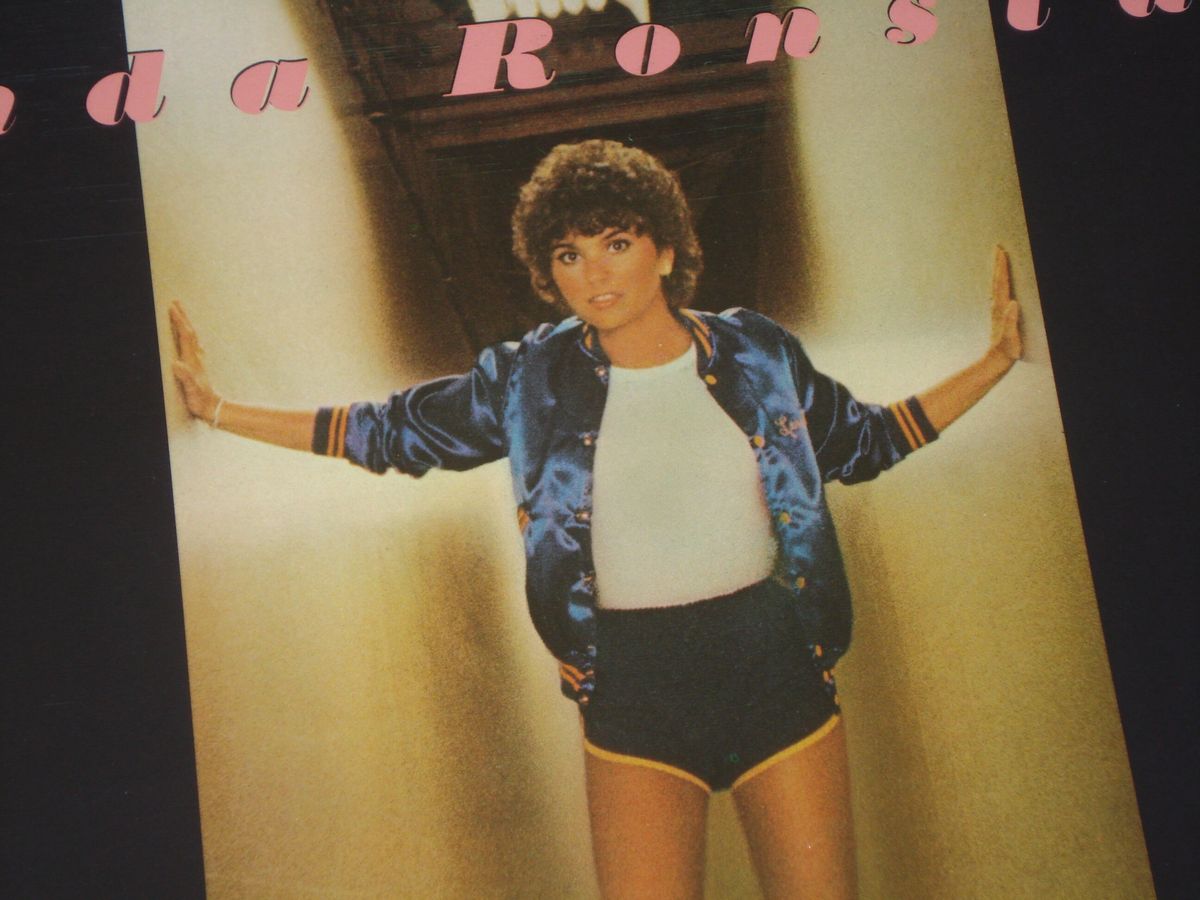

Heart Like a Wheel is the sound of love after the break, when strength and sorrow live in the same breath.
Released in November 1974, Heart Like a Wheel became the record that changed everything for Linda Ronstadt. The album climbed to No. 1 on the Billboard album chart in early 1975, giving her the commercial breakthrough that years of hard work had been building toward. It also produced major hit singles, including You’re No Good, which reached No. 1 on the Billboard Hot 100, and When Will I Be Loved, which rose to No. 2. Yet for many listeners, the true emotional center of the album was never simply its biggest hit. It was the title song, Heart Like a Wheel, a performance of such bruised grace that it seemed to explain the whole album in one slow ache.
That is part of what makes this song so enduring. In a record full of sharp choices, strong hooks, and radio-ready performances, Heart Like a Wheel feels like the confession left on the table after everyone else has gone home. It was written by Anna McGarrigle, and its writing carries an honesty that cannot be polished away. The famous line about the heart being like a wheel, bent beyond easy repair, is simple enough to remember after one listen, but deep enough to stay with you for decades. There is no unnecessary decoration in the idea. It is plain, fatalistic, and painfully human.
By the time Linda Ronstadt recorded it for the album Heart Like a Wheel, she was already admired as one of the great interpreters of her time. She had moved through country-rock, folk, and pop with uncommon ease, but what made her special was not just versatility. It was emotional precision. She could step into a song and make it feel lived in. On Heart Like a Wheel, produced by Peter Asher, she did not oversing the pain. She did something far harder. She let it stand there in the open.
The arrangement supports that emotional truth beautifully. Nothing in the recording tries to overpower the song. Instead, the performance leaves space around the words, allowing the listener to hear every small fracture in the feeling. Ronstadt sings with tenderness, but also with resignation. That balance is what gives the track its lasting force. This is not heartbreak performed for drama. It is heartbreak understood. There is a world of difference between the two, and Linda Ronstadt knew exactly how to find it.
What also makes Heart Like a Wheel so important in her catalog is the way it reflects the larger artistic leap she was making in that period. The album did not just prove that she could deliver hits. It showed that she could build a full emotional landscape across an entire record. One moment there was the swagger and pulse of You’re No Good; another moment there was the longing of When Will I Be Loved. But the title track gave the album its soul. It named the wound beneath the polish. It reminded listeners that even at the height of commercial success, the deepest songs are often the quiet ones.
There is also something timeless in the way the song speaks about damage. Popular music often celebrates either devotion or separation, but Heart Like a Wheel lives in a more complicated place. It is about what happens after trust has been bent out of shape, when a person can still feel deeply and yet no longer believes in easy repair. That emotional territory is one reason the song ages so well. It belongs not to one decade, but to anyone who has learned that love can leave a mark long after the noise of the moment has faded.
For admirers of Linda Ronstadt, this performance remains one of the clearest windows into her greatness. She had power, yes, but she also had restraint, taste, and the rare ability to let vulnerability sound dignified. In lesser hands, a song like Heart Like a Wheel might have become merely sad. In hers, it became noble. It carries sorrow, but never self-pity. It aches, but it does not collapse. That is why it still reaches people so directly.
Looking back now, the title Heart Like a Wheel feels almost prophetic for Linda Ronstadt at that stage of her career. Life was moving fast, the industry was turning, and success had finally met her in a major way. But instead of naming the album after the chart-toppers that would help drive it upward, she gave it the name of its most reflective song. That choice tells us something important. She understood where the record’s emotional truth lived.
And perhaps that is why the song remains so moving all these years later. It does not chase fashion. It does not beg for attention. It simply speaks, in a voice clear enough to break your heart a little. In the story of Linda Ronstadt, Heart Like a Wheel is more than a title track. It is the hush at the center of a triumph, the bruise beneath the glow, and one of the finest reminders that the songs we return to most are often the ones that know pain without trying to flatter it.