 By Classic Oldies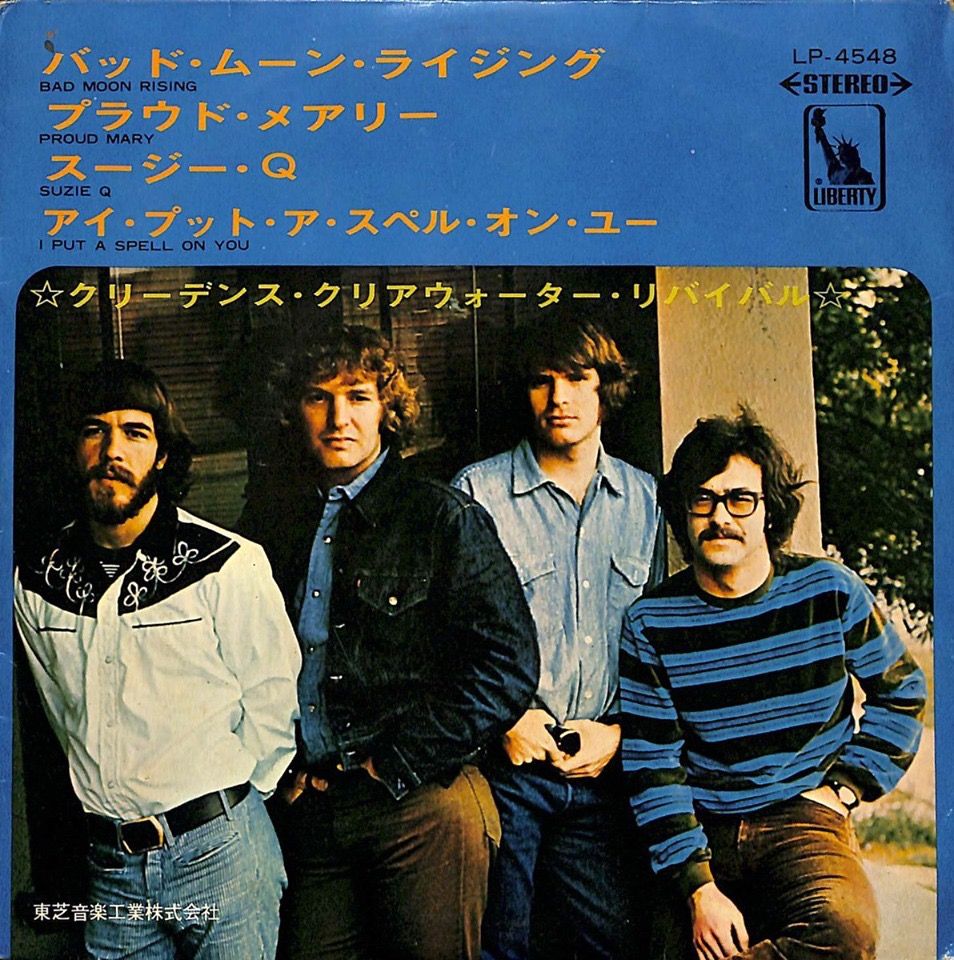
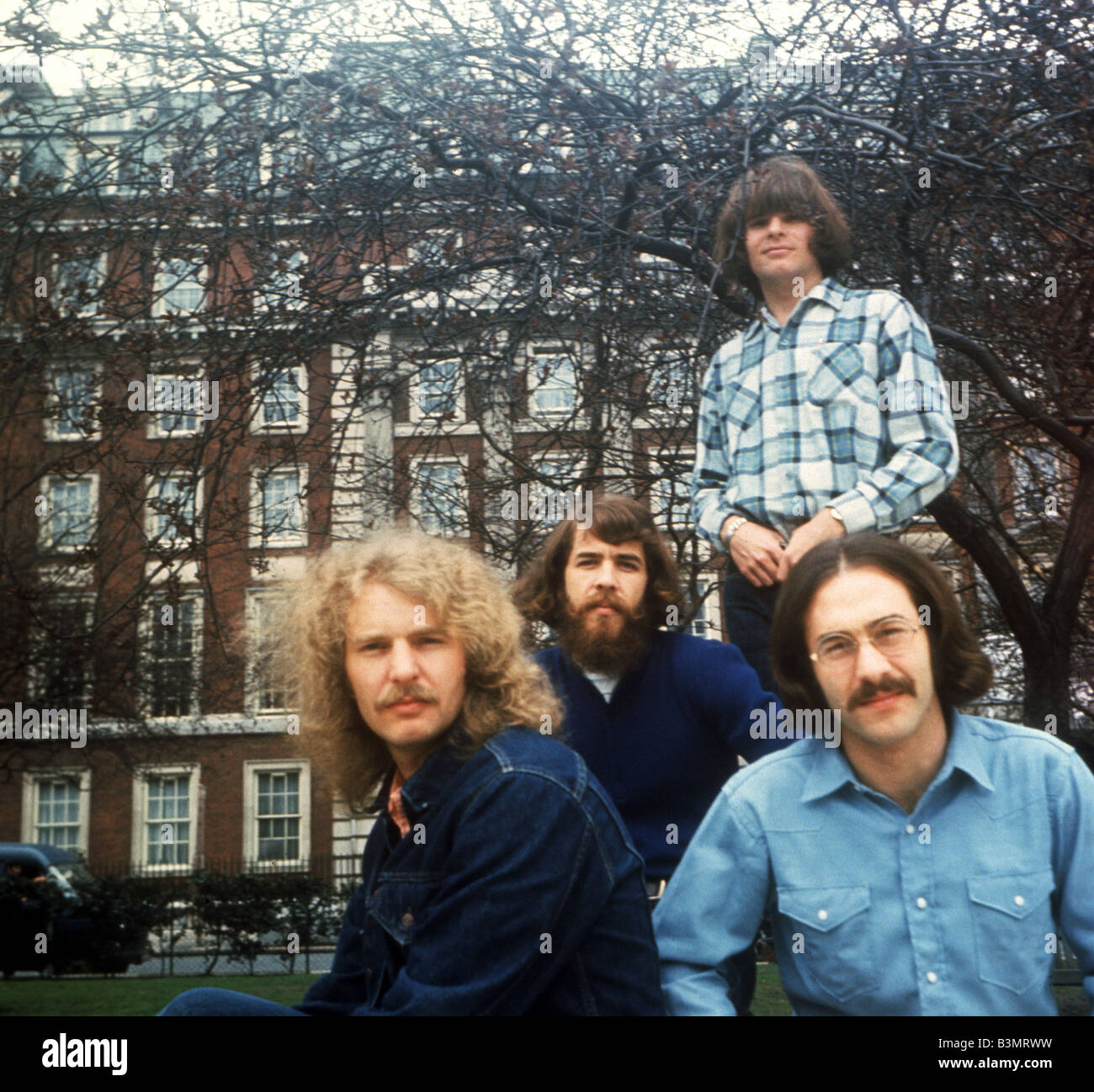
Creedence Clearwater Revival turned “Green River” and “Suzie Q” into something bigger in Stockholm: a lean, hypnotic live statement from a band that could sound loose, fierce, and completely in command at the very same time.
There are live performances that entertain, and then there are live performances that remind you why a band mattered in the first place. Creedence Clearwater Revival performing “Green River/Suzie Q” in Stockholm belongs in that second category. It is not simply a nostalgic clip from a famous American rock band abroad. It is a vivid document of a group at full strength, stripping away studio polish and revealing the beating heart of its sound: the bite of the guitar, the throb of the rhythm section, and that unmistakable John Fogerty voice cutting through everything like weather rolling in over dark water.
Even before looking at the deeper meaning of the performance, the historical weight of these two songs deserves to be placed right near the top. “Suzie Q”, first released by Creedence Clearwater Revival in 1968 on their self-titled debut album Creedence Clearwater Revival, was the band’s breakthrough single, rising to No. 11 on the Billboard Hot 100. It announced them to a wide audience with a swampy, extended groove that felt both old and startlingly alive. “Green River,” released in 1969 as the title track from the album Green River, climbed even higher, reaching No. 2 on the Billboard Hot 100, while the Green River album itself hit No. 1 on the Billboard 200. In other words, by the time this Stockholm performance came around during the band’s peak period, these were not obscure album cuts. They were key pillars of the CCR story.
What makes the Stockholm rendition so memorable is the way it joins two different sides of the band’s identity. “Green River” is compact, vivid, and full of American imagery. Fogerty famously drew inspiration from childhood memories and from a real place connected to family vacations, shaping the song into something that feels like memory itself: fishing lines, old roads, cool water, simple freedom, and the kind of summer that only grows larger in the mind as the years pass. Though the title sounds mysterious, the song’s emotional power lies in its familiarity. It is really about return, about the pull of the places that formed us.
“Suzie Q,” by contrast, is where repetition becomes atmosphere. Originally written by Dale Hawkins, the song in CCR’s hands became far more than a cover. It became a statement of style. Their version is slow-burning, edgy, and hypnotic, built less on melodic sweetness than on tension and groove. When the band moved into it onstage, they could stretch it, stalk it, and let it breathe in a way that made audiences feel the room change temperature. Pairing it with “Green River” in concert was a brilliant choice because one song carries the scent of memory, while the other moves like a shadow. Together, they show how wide CCR’s emotional range really was, even within a sound often described too simply as straight-ahead rock.
In Stockholm, that balance comes through beautifully. There is an urgency in the performance, but also discipline. One of the lasting marvels of Creedence Clearwater Revival is how economical they were. They did not need elaborate arrangements to command attention. Fogerty’s guitar work had sharpness and attack, yet it never felt wasteful. Stu Cook and Doug Clifford gave the music its locomotive drive, and Tom Fogerty’s rhythm playing helped keep everything grounded. On a stage far from the bayous and back roads their music seemed to evoke, they still sounded utterly believable. That is part of the CCR magic: they could carry an entire landscape inside a few chords.
The Stockholm performance also reveals something important about why the band has endured. Many groups from that era were larger, flashier, or more fashionable. Very few were tighter. Even fewer could make a live performance feel both immediate and timeless. Here, “Green River” does not come across as a polished radio favorite. It feels dusty, restless, almost urgent. And “Suzie Q” becomes a trance, a rolling piece of late-1960s American rock that still sounds dangerous in the best sense of the word. There is no sense of nostalgia inside the performance itself. That comes later, from us. Onstage, the band is simply doing what it did best: driving hard, playing clean, and trusting the songs.
It is also worth remembering that this was a period when Creedence Clearwater Revival was moving at a remarkable pace. Between 1968 and 1970, they released an extraordinary run of records and hit singles, building one of the most concentrated bursts of success in American rock history. That speed can make it easy to overlook just how sturdy the songs were. Live footage like this corrects that. It shows that the material did not depend on studio mythology. These songs could stand in front of an audience, under hot lights, thousands of miles from home, and still hit with force.
What lingers after watching “Green River/Suzie Q” in Stockholm is not merely admiration for a famous band. It is the feeling of witnessing a group that understood exactly who it was. Creedence Clearwater Revival never needed to sound grand to sound unforgettable. They built their legacy on precision, mood, and conviction. In this performance, “Green River” carries the ache of remembered places, while “Suzie Q” brings the darker, more seductive pulse that first put them on the map. Together, they form a portrait of CCR at its most elemental: direct, powerful, and impossible to mistake for anyone else.
That is why this Stockholm moment still matters. It is not just a relic from a golden era. It is proof that great rock music can travel across countries, across decades, and across all the layers of memory we place upon it. The river still runs through the song, and the groove of “Suzie Q” still coils around the listener. Some performances age. This one keeps breathing.