 By Classic Oldies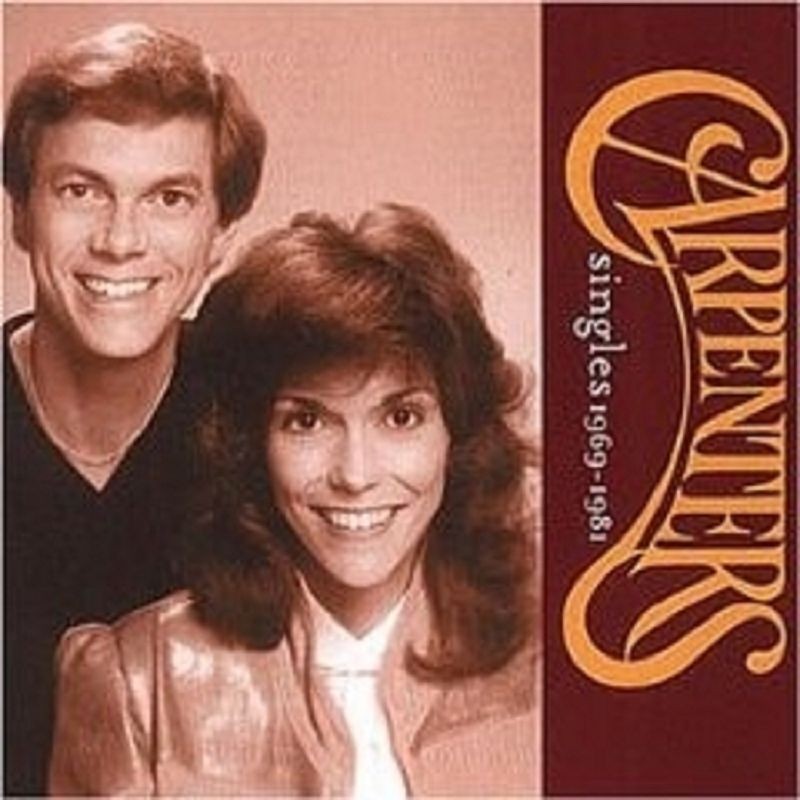
A Tender Promise Set to Melody: The Sound of New Beginnings and Eternal Hope
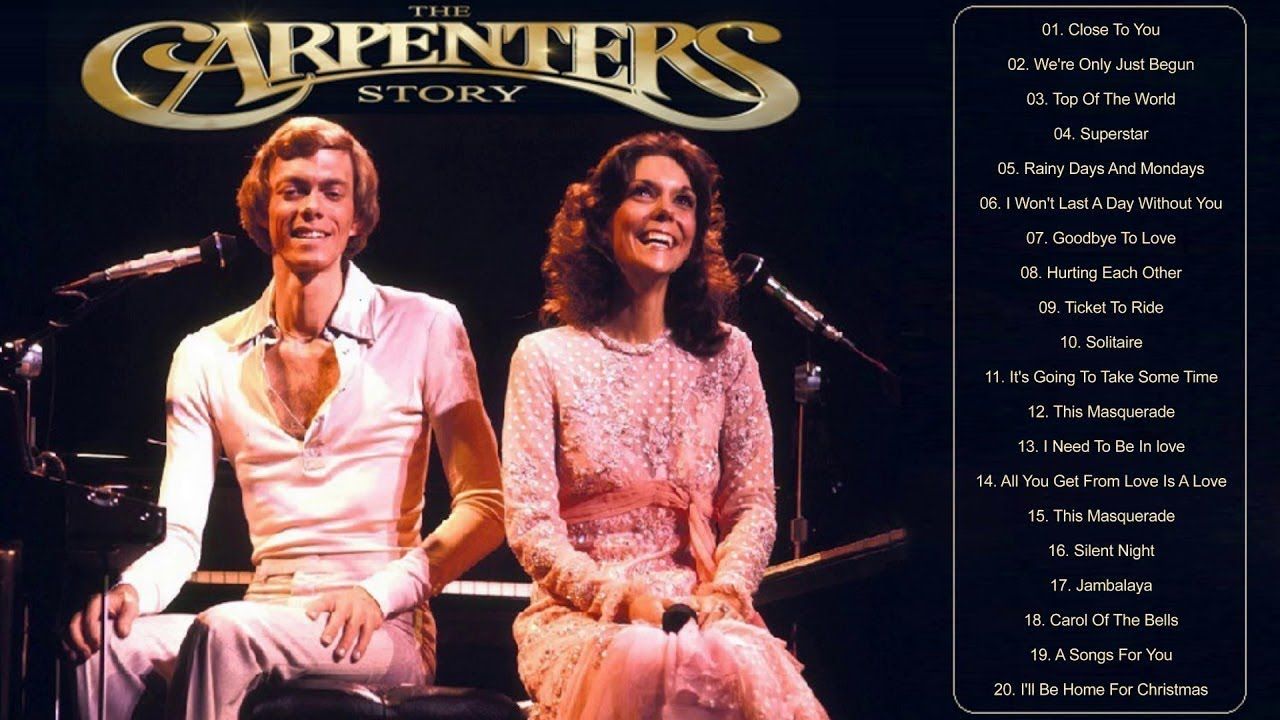
When We’ve Only Just Begun by the Carpenters graced the airwaves in 1970, it shimmered with a quiet confidence that belied its modest origins. Released as part of the duo’s breakthrough album Close to You, the song quickly rose to prominence, peaking at No. 2 on the Billboard Hot 100 and affirming Karen and Richard Carpenter as defining voices of a new, gentler pop era. Its success was not only commercial but emotional—an anthem for couples stepping into the unknown, and for a generation learning to trust in tenderness amid the turbulence of changing times.
The story behind We’ve Only Just Begun is one of serendipity and instinct. Written by Paul Williams and Roger Nichols, the song began not as a chart-bound single but as a jingle—a brief, romantic vignette crafted for a bank commercial. In that unlikely setting, Richard Carpenter heard something more than advertising fluff; he heard the seed of something transcendent. When expanded into a full composition, it became an early testament to the Carpenters’ gift for transforming simple sentiments into lush, timeless pop art.
At its core, the song is a celebration of beginnings—not dramatic or reckless ones, but those suffused with calm faith in the unfolding future. It opens like a whispered vow between lovers standing at life’s threshold, enveloped in Karen’s voice—an instrument of uncanny intimacy that could make even optimism sound wistful. Her delivery carries no pretense, no theatricality; instead, it is human warmth distilled into sound. She does not sing to her audience but with them, embodying both narrator and participant in this shared journey toward love’s horizon.
Musically, We’ve Only Just Begun exemplifies the soft-pop craftsmanship that would come to define early 1970s adult contemporary music. Richard Carpenter’s arrangement blends his signature layered harmonies with a restrained orchestral palette—delicate strings, brushed percussion, and subtle keyboard textures that seem to breathe beneath Karen’s voice. The result is weightless yet grounded, sentimental yet sophisticated—a soundscape that feels as if it might drift away were it not anchored by emotional truth.
What makes this song endure is its paradox: it is both utterly specific and infinitely universal. Though often chosen as a wedding anthem, its message extends beyond romantic love. It speaks to any moment of commencement—the bravery it takes to believe in possibility, to step forward with eyes open and hearts unguarded. Each repetition of its refrain reinforces not just hope but commitment: the idea that every “beginning” carries within it the promise of becoming.
Half a century later, We’ve Only Just Begun remains one of pop music’s most exquisite expressions of optimism—a gentle benediction wrapped in melody. It is more than a relic of its era; it is an eternal invitation to trust in what lies ahead, sung in a voice that still feels like morning light after a long night’s doubt.