 By Classic Oldies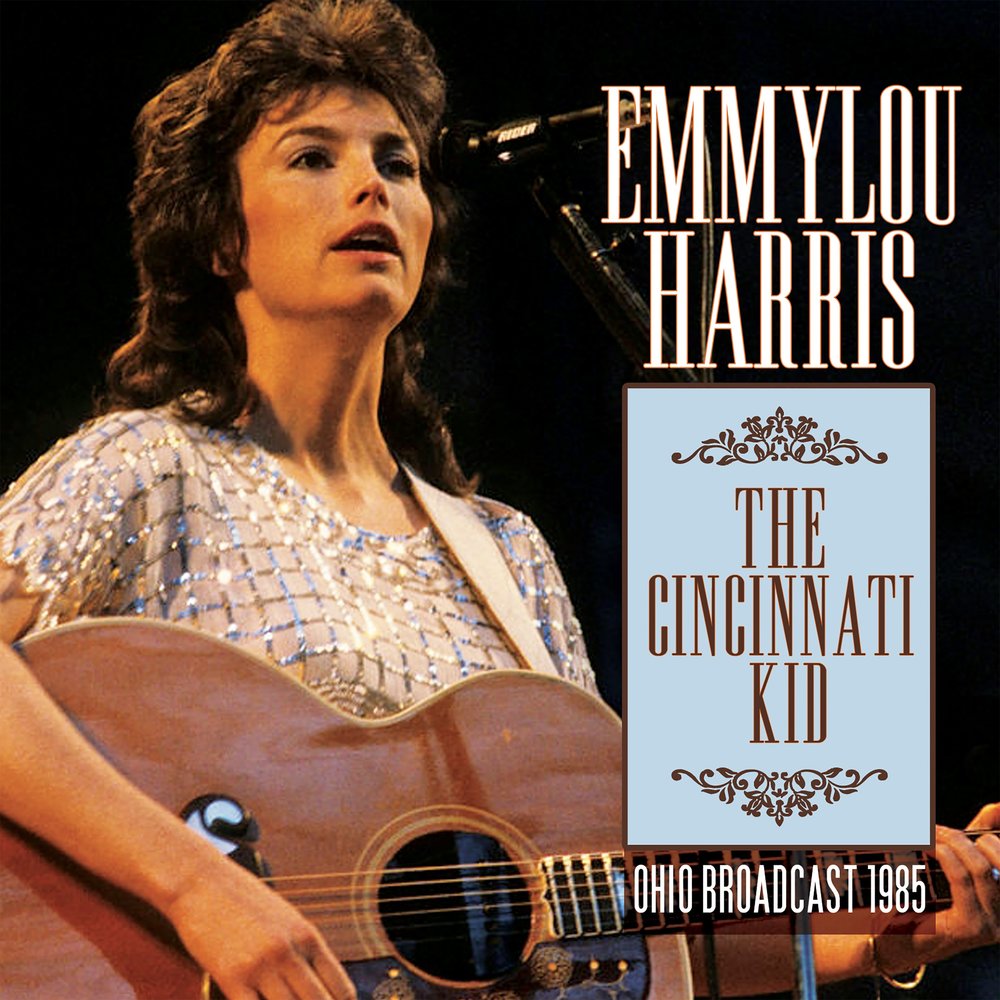
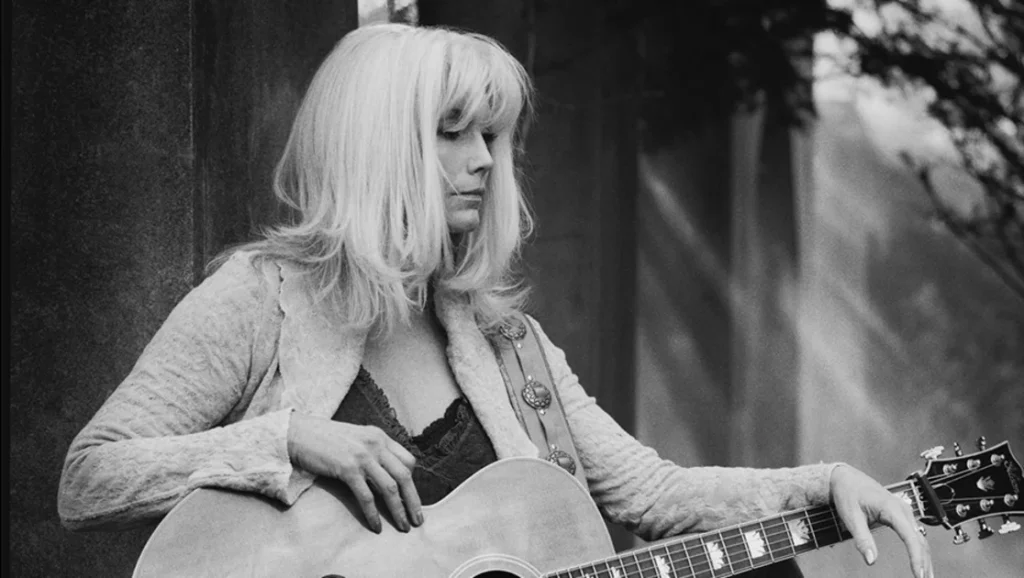
“All My Tears” is grief softened by faith—a song that doesn’t deny sorrow, but imagines it finally cleansed, as if love can carry us through the last doorway.
The most essential fact comes first: “All My Tears” (often titled “All My Tears (Be Washed Away)”) is not an Emmylou Harris original. It is Julie Miller’s song—first released in 1993—and it already carried a quiet, sacred weight before Harris ever touched it. When Emmylou Harris recorded it for Wrecking Ball—released September 26, 1995—she didn’t so much “cover” it as she opened a wider room around it, letting the lyric echo like a prayer spoken into empty air.
If you’re asking for the chart position at arrival, Wrecking Ball debuted and peaked at No. 94 on the Billboard 200 in the chart week dated October 14, 1995. It’s equally important—and oddly fitting—that the album did not land on the country charts, despite Harris’ stature in country music. This record wasn’t built to flatter radio formats; it was built to follow a feeling.
The story behind “All My Tears” is part human grief, part spiritual insistence. Julie Miller wrote it after the death of songwriter Mark Heard, and her own 1993 album Orphans and Angels included a duet with Emmylou Harris on the song—years before Harris would re-record it alone. That lineage matters, because it means Harris approached the lyric not as an outsider borrowing someone else’s sorrow, but as a voice already living near the song—already acquainted with its ache, already inside its circle of mourning. Pitchfork’s retrospective even notes that Harris had dueted with Miller on the song and later re-cut it for Wrecking Ball.
On Wrecking Ball, the atmosphere is everything. Producer Daniel Lanois wraps Harris’ voice in a kind of twilight—space, reverb, and slow-moving shadows—so that the song feels suspended between earth and whatever comes after. This isn’t the bright “Nashville” of polished certainty; it’s a more haunted landscape, where comfort has to be earned. And that’s precisely why “All My Tears” lands the way it does: the lyric offers consolation, yes, but not the cheap kind. It doesn’t pretend loss is small. It simply suggests that grief may not get the final word.
The meaning, at its core, is stark and strangely gentle: the speaker imagines death not as abandonment, but as a homecoming—tears acknowledged, then washed away. The phrase itself carries biblical resonance (the image of tears being wiped away appears in scripture), but the song never feels like doctrine. It feels like a bedside vow, the kind you repeat to yourself when you need to believe there is mercy beyond the visible world. You can hear Harris singing not “at” the listener, but through the listener—like someone letting the room hold the sadness because the body can’t hold it alone.
And if the studio version is the candle, the live version is the open window. Harris later performed it with her band Spyboy on the 1998 live album Spyboy, where it appears explicitly as “All My Tears (Be Washed Away)”. A more recent review of a vinyl reissue calls the song one of the three selections from Wrecking Ball included in that live set, and argues that the performance remains a defining version. Live, the song’s message becomes even more human: you feel the breath between lines, the small tremble of time passing, the way a crowd’s silence can sound like shared remembering.
So, “All My Tears” may not have arrived with a triumphant chart narrative. No. 94 is modest ink on paper. But the deeper “ranking”—the one that lasts—belongs to the song’s strange achievement: it turns mourning into something almost luminous, not by denying pain, but by placing it in the hands of a voice strong enough to carry it. In Emmylou Harris’ performance, sorrow doesn’t disappear. It transforms—into tenderness, into witness, into the fragile courage of believing that the tears we spend in this life are not wasted.