 By Classic Oldies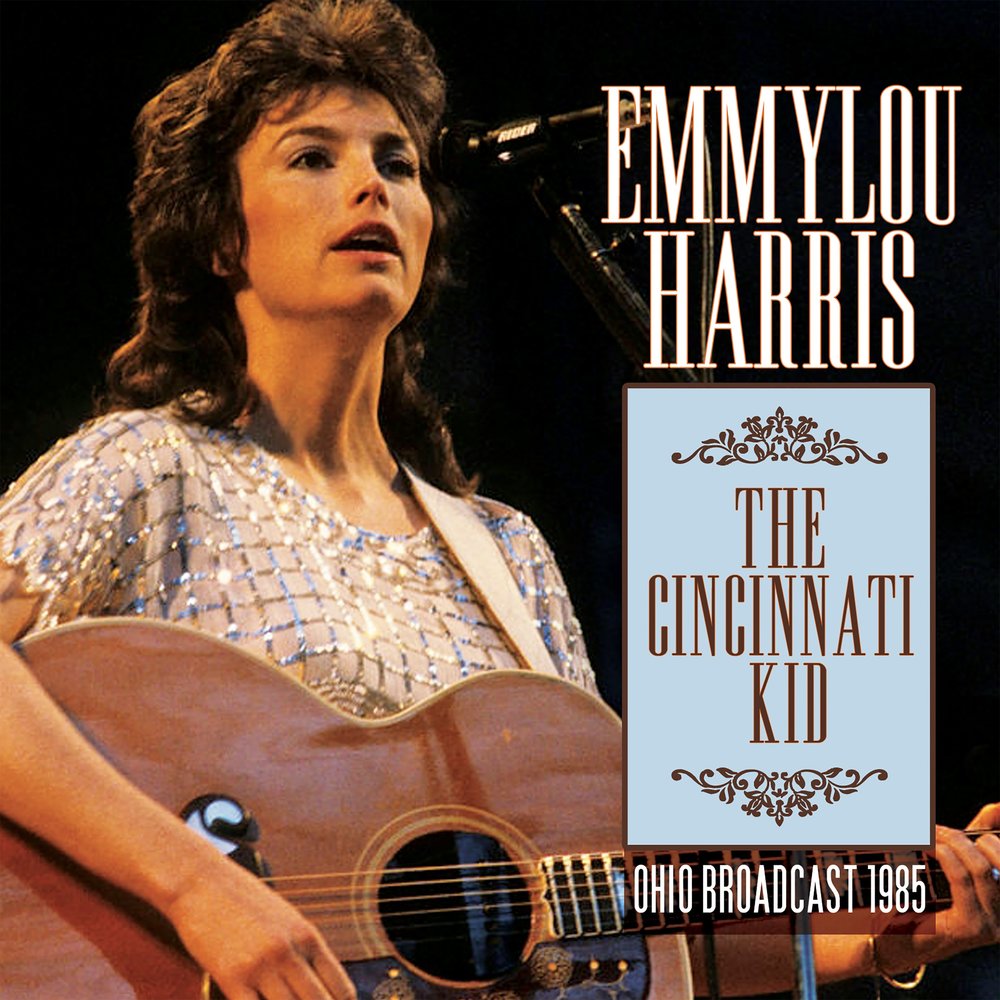

“Fire in the Blood / Snake Song” is a dark little prayer: faith and danger sharing the same breath, like moonshine fumes in a cold church aisle.
Here are the important facts first, set down plainly before we drift into the mist. “Fire in the Blood / Snake Song” is track 7 on Lawless (Original Motion Picture Soundtrack)—the 2012 soundtrack built around the film Lawless, with music by Nick Cave, Warren Ellis, and their “fictional” backing band, The Bootleggers, alongside guest voices including Emmylou Harris and bluegrass legend Ralph Stanley. The soundtrack’s official release is commonly listed as August 28, 2012 (Sony Masterworks), with digital storefronts also showing an August 24, 2012 release date—reflecting the stagger between digital availability and the widely cited physical release window.
And yes—this album actually had a real chart life. In the UK it reached No. 1 on the Official Soundtrack Albums chart and No. 25 on the Official Compilation Albums chart; in the U.S. it hit No. 13 on Billboard’s Top Soundtracks. Those are the “at launch” coordinates that matter here, because the track itself wasn’t a pop single chasing radio glory—it’s a scene-setter, a piece of atmosphere with teeth.
What makes “Fire in the Blood / Snake Song” special is that it’s not one song so much as a deliberate collision. The track is credited as a medley: Nick Cave & Warren Ellis for “Fire in the Blood,” and Townes Van Zandt for “Snake Song.” In practice, it plays like a door opening from one world into another. The first section, “Fire in the Blood,” is sung by Ralph Stanley—that unmistakable high lonesome voice that sounds like it was carved out of Appalachian air and left to weather for a hundred years. Then the floor shifts under you, and Emmylou Harris steps in with Townes Van Zandt’s “Snake Song,” quiet and poisonous, sung not to impress but to warn.
That second half carries its own history. Townes Van Zandt first released “Snake Song” on his 1978 album Flyin’ Shoes (released May 1978). Years later, Emmylou Harris recorded “Snake Song” on Poet: A Tribute to Townes Van Zandt, released in 2001—a performance often singled out for how she turns it into a hushed, haunted spell. So by the time she sings it again within Lawless, it doesn’t feel like a clever soundtrack choice. It feels like a song she has carried in her coat pocket for years—taken out when the night calls for truth.
And the night does call for truth here. American Songwriter wrote that Harris’ newly recorded take on “Snake Song,” fused with Stanley’s “eerie high lonesome” presence, helps capture the film’s ominous rural mood. That’s exactly right: this track doesn’t merely decorate the story; it smells like the story—backwoods fear, moral fog, the kind of love that charms you right up until you notice the bite marks.
The meaning blooms in the contrast. “Fire in the Blood” suggests inheritance—something burning in you that isn’t entirely chosen: family, violence, faith, hunger, destiny. Then “Snake Song” arrives with its old, hard wisdom: desire is not always safe; tenderness can hide venom; you can reach out and still get hurt. Put together, the medley becomes a parable about the American myth itself—how righteousness and ruin can share a front porch, how hymns and warnings sometimes come from the same throat.
There’s also a subtler emotional undertow for anyone who has lived long enough to recognize patterns: the way life repeats its lessons, just dressed differently each decade. In Ralph Stanley, you hear tradition—unblinking, severe, almost biblical. In Emmylou Harris, you hear the modern witness—someone who knows the cost of romance, who has watched too many beautiful promises turn sharp at the edges. The track becomes a conversation across time: one voice preaching the heat in the blood, another voice reminding you what that heat can do when it meets the wrong kind of love.
It’s telling, too, that the title used in awards conversations often keeps the two halves together—“Fire in the Blood/Snake Song”—as if the world understood that the power is in the pairing, not in either piece alone.
When the track ends, you don’t feel “entertained.” You feel warned—and strangely comforted by the warning. Because there’s a mercy in honest music: it names the danger so you don’t have to pretend it isn’t there. And in “Fire in the Blood / Snake Song,” the danger is beautiful, the beauty is dangerous, and the truth—cold, old, and steady—keeps singing long after the scene cuts to black.