 By Classic Oldies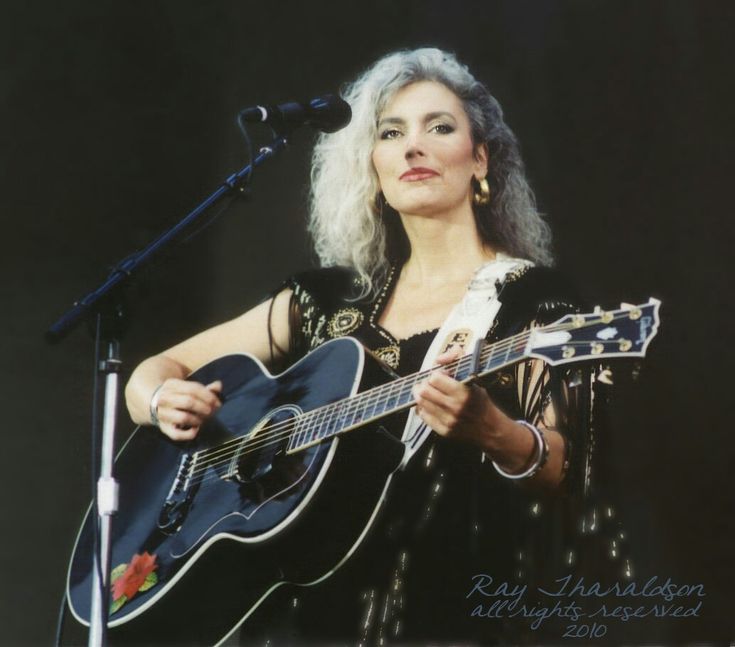
“Sweet Old World” is a gentle admonition to the dead—an aching, luminous reminder of everything life still holds, even after someone decides to leave it behind.
Emmylou Harris recorded “Sweet Old World”—written by Lucinda Williams—as track 8 on her landmark album Wrecking Ball, released September 26, 1995. The song runs 5:06, and in this setting it feels less like a cover than a candle set into the dark: patient, unwavering, and quietly devastating.
If we’re talking about “ranking at launch,” Wrecking Ball arrived as a cult-bolt rather than a blockbuster: it peaked at No. 94 on the Billboard 200. In the UK, it reached No. 61 on the Official Albums Chart in October 1995. Yet its deeper triumph came in the form of legacy: the album won the 1996 GRAMMY Award for Best Contemporary Folk Album, and it was later announced as a 2025 GRAMMY Hall of Fame inductee—formal recognition of what listeners had long felt in their bones.
That context matters, because “Sweet Old World” lives at the heart of what Daniel Lanois helped Harris create on Wrecking Ball: a soundscape where silence is part of the arrangement, where sorrow isn’t dressed up for radio, and where mature voices are allowed to carry complicated weather.
The song’s backstory is heavy, and it deserves to be stated plainly. Lucinda Williams first released “Sweet Old World” as the title track of her 1992 album Sweet Old World (released August 25, 1992). In a memoir excerpt published by The New Yorker, Williams explains that the song grew from her long-held feelings about the suicides of two poet friends—most notably Frank Stanford, whose death left a lasting mark on her inner life and songwriting. That knowledge doesn’t “solve” the song, but it clarifies the tremor under every line: this is not abstract sadness. It is grief with a name, grief that returns when the world is quiet.
What Williams wrote is, in essence, a rebuke wrapped in tenderness: Look what you lost when you left. The lyric isn’t cruel; it’s pleading—like someone standing at the edge of an open grave, trying one last time to argue with the irreversible. It lists the ordinary miracles that become priceless only when they’re gone: breath, touch, companionship, the small daily proofs that you were here. And in Emmylou Harris’ voice, that inventory becomes almost unbearable—not because she over-sings it, but because she refuses to. She trusts the words. She lets them hang in the air the way hard truths do.
The performance is also quietly extraordinary for who is in the room. Contemporary accounts of the sessions note that Lucinda Williams herself showed up to play guitar on the Wrecking Ball recording, and Steve Earle appears on the track as well—old friends stepping into the song not as celebrity cameos, but as witnesses. Pitchfork also notes that Neil Young contributed backing vocals and harmonica to “Sweet Old World,” adding his own battered empathy to Harris’ lament. You can feel that communal presence: the sense that this is not entertainment so much as a small gathering around a wound.
And that is the meaning of “Sweet Old World” when Harris sings it: not just a song “about suicide,” but a song about the stubborn value of living—about how even a bruised life still holds beauty worth staying for. It doesn’t romanticize the person who left, and it doesn’t pretend the living are fine. It simply insists, softly, that the world still contains sweetness—sometimes quiet, sometimes hard to reach, sometimes only visible in hindsight.
There’s a particular kind of ache in hearing this on Wrecking Ball, an album made when Harris was stepping away from the neat expectations of Nashville and toward something more atmospheric, more haunted, more true to the complexity of time. “Sweet Old World” becomes the album’s human center: a reminder that behind every artistic reinvention is a life being reckoned with—losses absorbed, friends remembered, and the persistent hope that music can still say what ordinary speech cannot.
By the end, the title phrase—“sweet old world”—doesn’t sound naïve. It sounds defiant. As if the singer is holding the world up, chipped and beautiful, and saying: Yes, it hurts here. And yes, it is still worth it.