 By Classic Oldies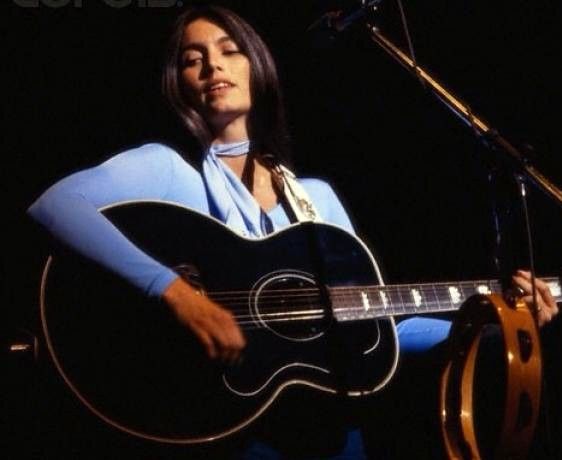
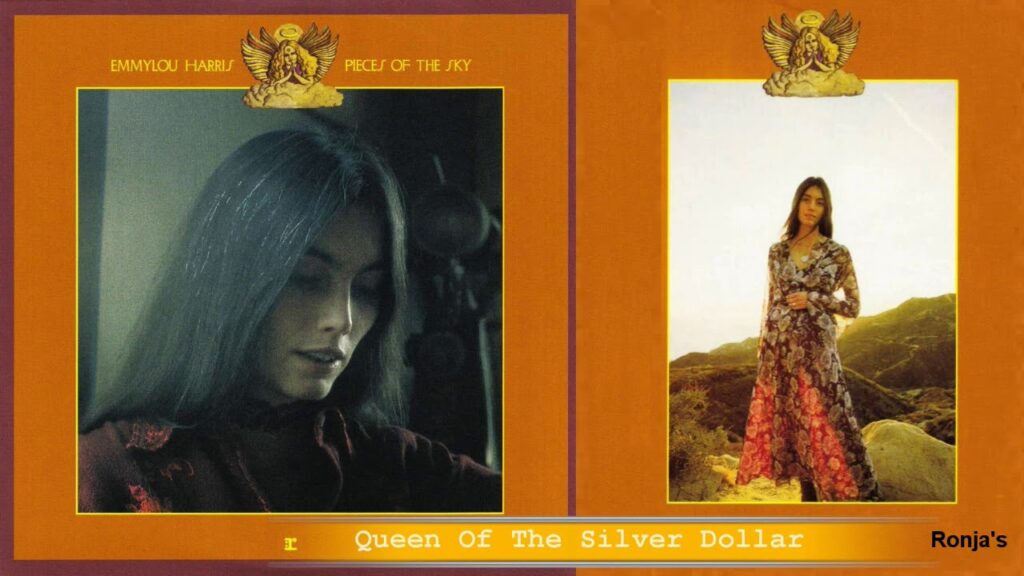
“The Good Book” is a lament dressed in quiet beauty—faith’s language turned back on itself, asking how something meant to heal can be used to harm.
“The Good Book” is one of those Emmylou performances that doesn’t arrive like a “new single” so much as a found letter—creased at the edges, written in a steady hand, and somehow more piercing because it refuses to raise its voice. The song was written by Rainer Ptacek and recorded by Emmylou for The Inner Flame: A Tribute to Rainer Ptacek, a benefit-and-tribute collection originally released in 1997. Later, the project was reissued by Fire Records in 2012 (the reissue release date is commonly listed as May 7, 2012).
Because it’s a contribution to a various-artists tribute album—rather than a label-driven pop single—there isn’t a widely documented “debut chart position” for Emmylou’s recording the way there would be for her major Warner-era hits. Instead, its public life has been shaped by context: by the album’s purpose, by the song’s moral sting, and by the way it resurfaced years later in pop culture. In 2014, for example, the track appeared in True Detective (Season 1, Episode “Haunted Houses”), with the show’s soundtrack crediting Ptacek as the writer and Emmylou as the performer.
That’s the factual doorway. Step through it and you’re inside something far more intimate.
At its heart, “The Good Book” is a troubled, compassionate question: How can a sacred text—something people call “good”—become a weapon in human hands? Even a brief look at the published lyric excerpt captures the theme plainly: it laments cruelty committed “in the good book’s name,” and challenges the idea of divinity being “claimed” and “used… as a tool.” The power of the song is that it doesn’t mock belief; it mourns what happens when belief is pressed into service for domination. It’s grief, not sneer—a moral wake held in slow time.
Emmylou’s delivery is crucial here. She doesn’t “perform outrage.” She performs aftermath—the exhausted clarity that comes when you’ve watched ideals get bent, again and again, until they no longer resemble what they promised. A review of the tribute album in No Depression memorably called her rendition “sepulchral,” noting as well that Ptacek himself provides instrumental support on the track. That one adjective—sepulchral—is unusually apt: the song feels like it’s being sung from a quiet place where arguments have ended and only consequences remain. Not theatrical darkness, but the hush of a room after hard news.
And then there’s the meaning that blooms when you remember who Ptacek was in this story. The tribute album gathered an extraordinary lineup (the kind that makes you realize how widely loved a musician can be outside the spotlight), and it was conceived as both homage and help—music made in the shadow of illness, shaped by friendship and urgency. In that light, “The Good Book” feels less like a topical statement and more like a human one: a songwriter staring straight at suffering—private and public—and refusing easy explanations.
What makes Emmylou such a singular interpreter is her ability to sound unadorned even when she’s delivering something profound. On “The Good Book,” she sings as if she’s not trying to persuade you; she’s simply telling you what she can no longer un-know. The melody moves with the plainness of folk tradition, but the emotional temperature is modern—questioning, wary, unwilling to let comforting language cover ugly facts. It’s the kind of song that can make you think of old kitchens and late radios, of long drives where the mind finally speaks honestly because no one is there to interrupt it.
And perhaps that’s why the track’s later appearance in True Detective felt so fitting. That series is haunted by the idea of evil wearing familiar masks, of institutions that should protect instead corroding from within. “The Good Book,” placed in that world, doesn’t just decorate a scene; it comments on it—gently, like a conscience that won’t shout but also won’t leave.
In the end, “The Good Book” endures without needing chart trophies because it offers something rarer: a moral clarity spoken softly enough to slip past our defenses. It reminds us that the most dangerous lies often borrow the vocabulary of goodness—and that real faith, real decency, real love of people, must be measured by what it refuses to excuse. On some nights, that’s exactly the kind of truth a voice like Emmylou’s can carry: not to win an argument, but to keep the soul awake.