 By Classic Oldies
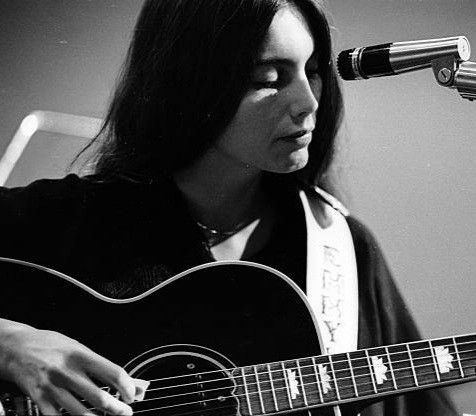
“You’re Supposed to Be Feeling Good” is the kind of song that smiles at you on the surface—then quietly reveals the bruise underneath, where love and self-deception live side by side.
The essential facts belong up front, because they sharpen every line you hear. “You’re Supposed to Be Feeling Good” was written by Rodney Crowell, and Emmylou Harris recorded it for her album Luxury Liner, released December 28, 1976 on Warner Bros. Nashville, produced by Brian Ahern. The album became Harris’ second consecutive No. 1 on Billboard’s Top Country Albums chart. Billboard’s own chart entry shows Luxury Liner debuting on January 29, 1977 (debut position No. 10) and eventually reaching No. 1. The song itself wasn’t pushed as an A-side single, but it later surfaced in a telling place: it served as the B-side to “Easy From Now On” in 1978, a single that reached No. 12 on Billboard’s Hot Country chart.
Now the human story—because this track isn’t just “another album cut.” It’s a glimpse into the way Emmylou built her world: by listening for writers who could tell the truth without raising their voice.
By 1976, Luxury Liner was the sound of the Hot Band hitting a kind of peak—an ensemble so tight and musical that it could make heartbreak swing without cheapening it. Rhino’s archival write-up calls out the sheer caliber of the personnel (including Rodney Crowell among the musicians), and Harris herself recalled that something “fully formed” arrived with that lineup and those performances. On the album credits, Crowell isn’t merely the songwriter in the margins; he’s in the room—listed for guitars and backing vocals—part of the engine that drives the record forward.
And then there’s the backstory that feels almost like a scene from a simpler, more intimate music industry—when songs still traveled hand to hand. In a 2015 interview, Rodney Crowell remembered writing a song specifically for Emmylou and proudly playing it for her at her house… only for her to respond, essentially: That’s nice, but I heard a demo of your song “You’re Supposed to Be Feeling Good”—I want to record that. It’s funny, yes—but it also tells you something deeply respectful about Harris: she wasn’t collecting “names.” She was collecting the right song, the one with the truest emotional temperature, even if it meant choosing the piece Crowell himself hadn’t presented as his “best offer.”
So what is that temperature?
The title is the first quiet stab. You’re supposed to be feeling good—as if the world has issued a cheerful instruction manual: You’ve got love, you’ve got morning coming, you’ve got the opportunity to start over… so why aren’t you better yet? That “supposed to” is where the sadness hides. It’s the pressure of expectation—the way we judge our own hearts for not keeping up with the storyline. The song speaks to that very adult confusion: when something changes in your life that should bring relief, and instead you feel strangely hollow, as if your happiness arrived but forgot to knock.
Crowell writes with a poet’s eye for emotional contradiction, and Harris sings it with the particular empathy that made her such a definitive interpreter. She doesn’t perform heartbreak as spectacle. She treats it like weather—something you endure, something you learn to recognize by scent and sound. Around her, the Hot Band plays with a kind of “lean elegance”: never crowding her, never turning the song into melodrama, letting the lyric’s ache do its own slow work.
And if you’ve lived long enough to know that certain good news can still leave you trembling—if you’ve ever looked at someone you love and realized they’re halfway gone while still standing right there—this song lands with a steady, unsettling accuracy. It isn’t cynical. It’s simply honest about the way time changes people: sometimes quickly, sometimes so gradually you don’t notice until the distance is already permanent.
That’s why “You’re Supposed to Be Feeling Good” remains one of those Emmylou performances that rewards returning. Not because it’s loud, or famous, or built for a chart splash—but because it tells the truth in a tone older than fashion: the truth that feelings don’t always obey the life you’ve been given, and that the bravest thing a singer can do is admit it—softly, clearly, and without pretending the night isn’t still there.