 By Classic Oldies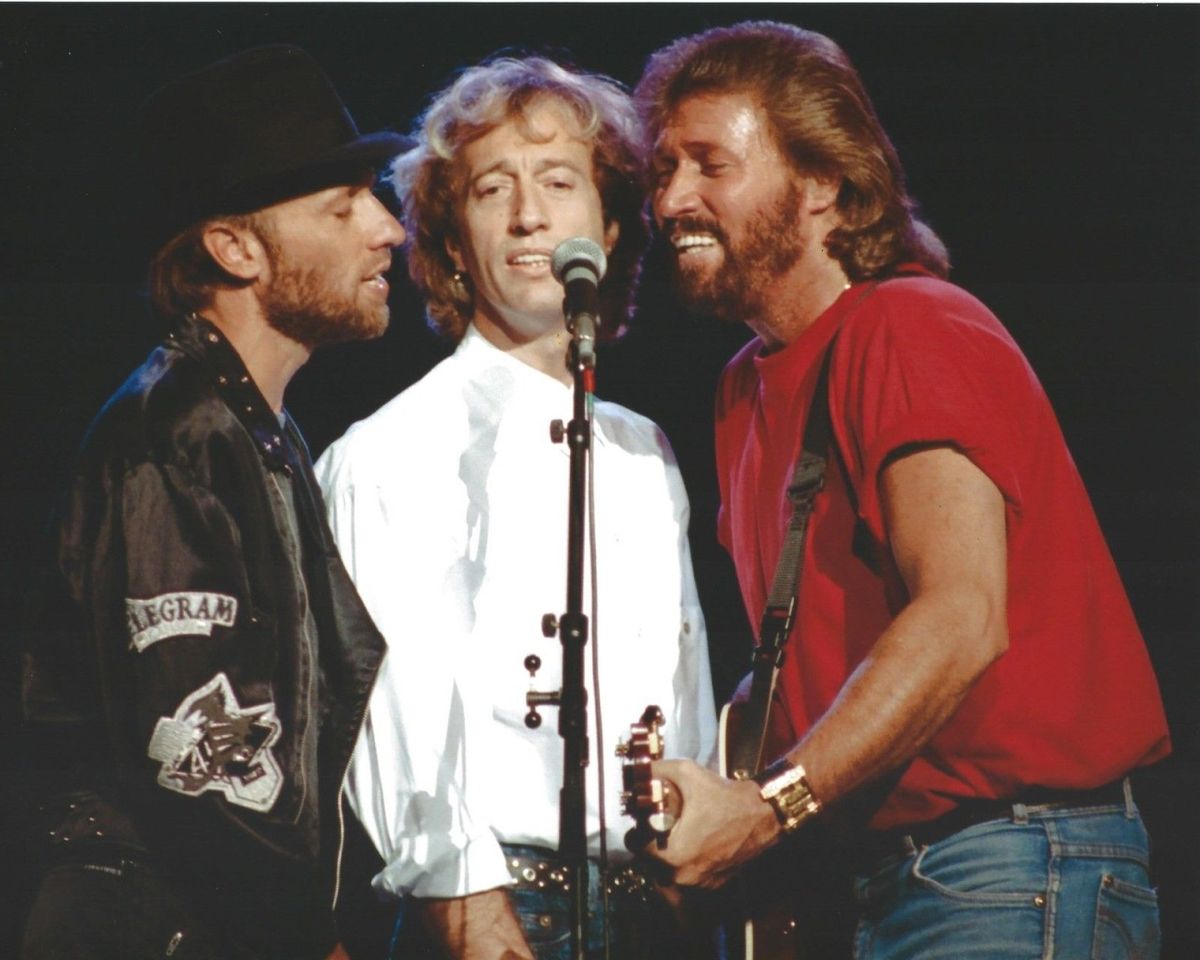

Behind its deceptively light title, Kitty Can is one of the Bee Gees‘ most quietly bruised recordings, a Trafalgar deep cut that hears the loneliness beneath a hardened heart.
There are songs that dominate the charts, and then there are songs that stay with listeners for reasons the charts can never fully measure. Bee Gees‘ Kitty Can belongs in that second category. Released on the 1971 album Trafalgar, it did not become one of the group’s defining hit singles in the way How Can You Mend a Broken Heart did, yet it remains one of the most revealing performances from this important chapter of their career. In the United States and the United Kingdom, Kitty Can was not the major chart story from the album. The bigger commercial landmark was How Can You Mend a Broken Heart, which gave the brothers their first U.S. No. 1 on the Billboard Hot 100 in 1971. The parent album Trafalgar also performed strongly, reaching No. 9 on the Billboard 200, a sign that the group had regained artistic and commercial momentum after a turbulent period.
That context matters, because Kitty Can sounds like the work of a band that had already learned how fragile success, family, and emotional balance could be. By the time Trafalgar arrived, Barry Gibb, Robin Gibb, and Maurice Gibb were no longer simply the dazzling harmony group from the late 1960s. They had come through separation, reunion, bruised egos, and the difficult work of becoming a stronger unit again. Much of the emotional power of early-1970s Bee Gees music comes from that maturity, and Kitty Can carries it beautifully.
Written by Barry, Robin, and Maurice Gibb, the song is less a neat narrative than a character sketch filled with sympathy. The title sounds playful at first, almost whimsical, but the emotional center is anything but light. Kitty Can seems to look at a woman who has learned to protect herself, perhaps by becoming distant, unpredictable, or emotionally unreachable. The song never treats her as a villain. That is one of its finest qualities. Instead of judging her, the brothers write and sing with a kind of weary tenderness, as if they understand that toughness often grows where trust has already been damaged.
That is why the song still feels so human. The Bee Gees were always masters of melody, but on Kitty Can melody is doing emotional detective work. The harmonies do not merely decorate the lyric; they deepen it. The arrangement has that early-1970s Bee Gees blend of pop craftsmanship and inward sadness, polished enough to be memorable but never so smooth that it loses its ache. The vocal texture is especially important here. As with many songs from this era, the brothers blur individual identity into a shared feeling, and that makes the portrait of Kitty feel less like gossip and more like compassion.
There is no famous, widely repeated studio legend attached to Kitty Can in the way some classic singles carry their own mythology. In truth, that modesty is part of the song’s appeal. It was born during one of the group’s most fertile album-making periods, when the Bee Gees were writing with unusual depth and consistency, and when even the non-single tracks could carry emotional weight equal to the hits. Rather than arriving with fanfare, Kitty Can slipped into Trafalgar as one of those songs listeners discover gradually. The more years pass, the more it sounds like a hidden room inside the album.
Its meaning has often been felt more than formally explained, and that too suits the song. Not every classic track comes with a definitive statement from the artist spelling out exactly whom it was about or what every line was meant to mean. In the case of Kitty Can, the most honest reading comes from its emotional temperature. This is a song about damage, distance, and the strange sadness of watching someone who may not know how to be loved without flinching. It is also about the helplessness of the observer. The singer cannot simply fix Kitty. He can only see her, and perhaps pity her, and that recognition gives the song its lasting sting.
What makes it even more affecting is where it sits in the larger Bee Gees story. Many listeners, especially those who came to the group through the disco era, forget just how rich their pre-disco catalog is in introspection and emotional shading. Kitty Can is a fine example of the brothers’ ability to write adult songs without turning cold or cynical. They never lose melody, and they never abandon tenderness. Even when the subject is wounded, the music still reaches out.
In that sense, Kitty Can may be called overlooked, but it is not minor. It reveals the emotional intelligence that made the Bee Gees more than hitmakers. On Trafalgar, amid grander titles and bigger commercial moments, this song offers something quieter and perhaps more lasting: a portrait of pain without cruelty, sung by three brothers who knew that some of the deepest truths in pop music arrive softly. For listeners who return to albums rather than only to singles, Kitty Can remains one of the treasures of the 1971 Bee Gees catalog, and one of the clearest reminders that their finest work was often hiding just beyond the spotlight.