 By Classic Oldies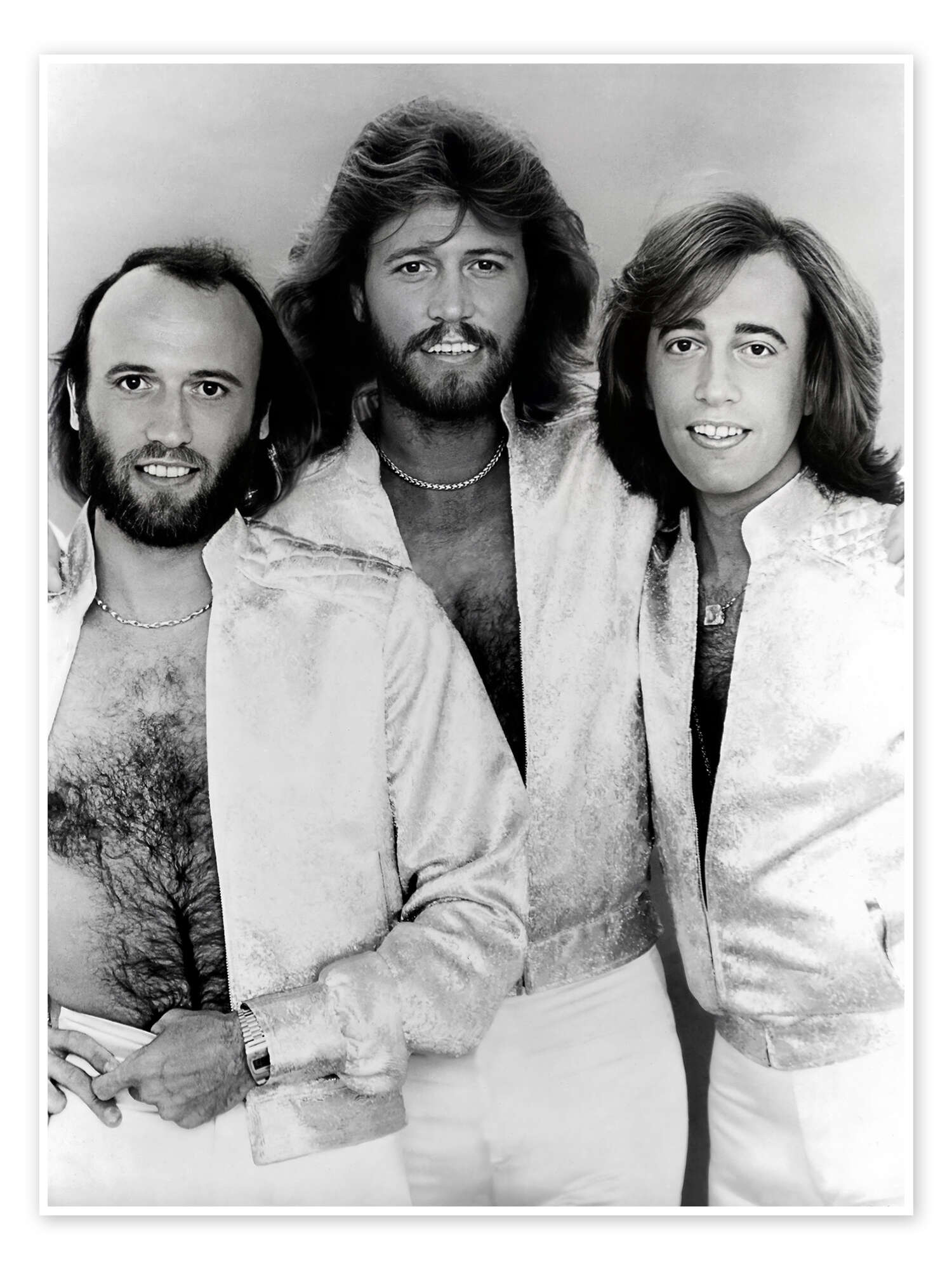
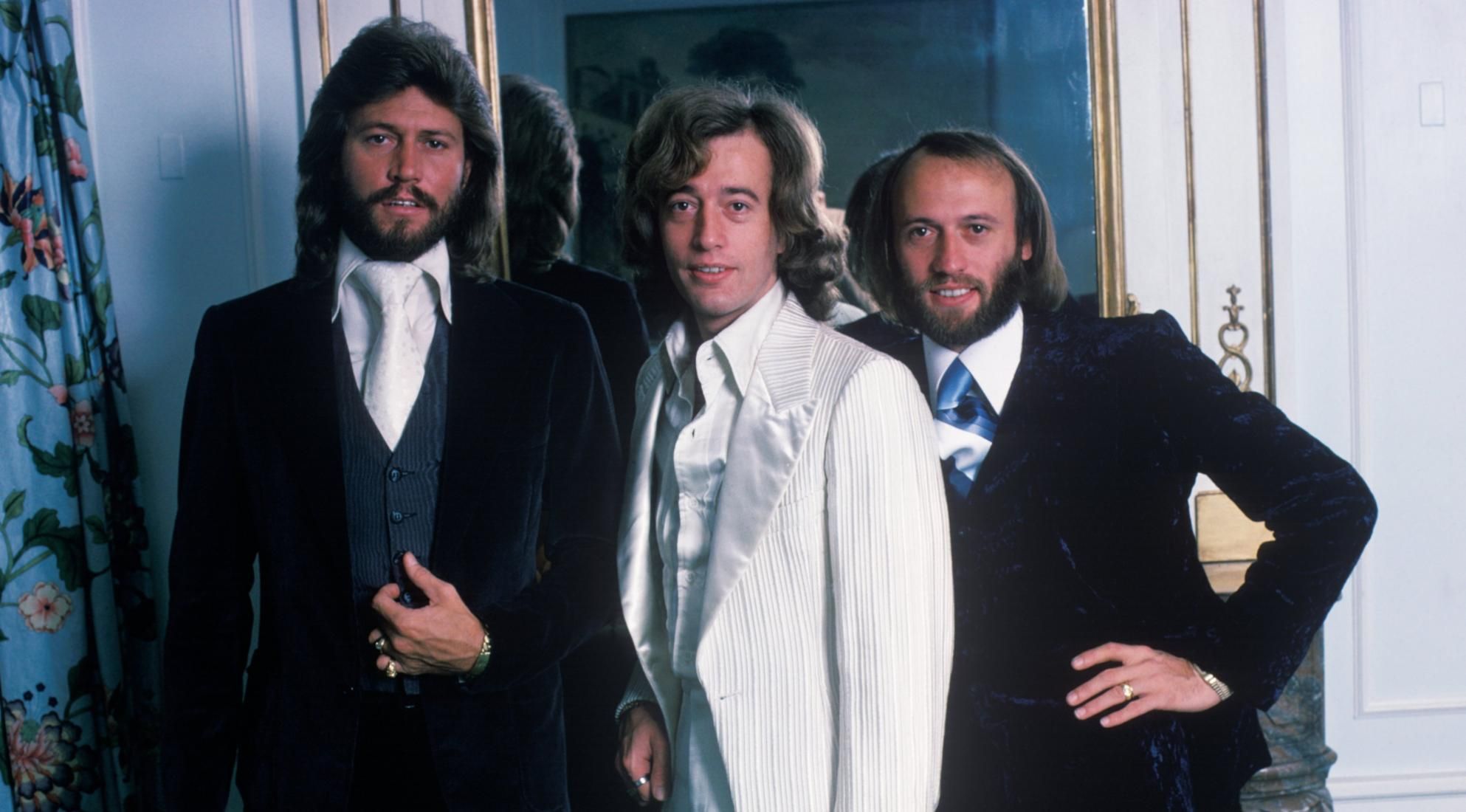
Bee Gees turned “Paradise” into something far more moving than a dream of escape: a tender vision of emotional shelter, sung at a moment when their own career was changing before the world’s eyes.
Released in 1981 on the album Living Eyes, “Paradise” belongs to a fascinating and often overlooked chapter in the story of the Bee Gees. Written by Barry Gibb, Robin Gibb, and Maurice Gibb, the song arrived after one of the most extraordinary runs in pop history. Only a few years earlier, the brothers had dominated radio, charts, and popular culture through Saturday Night Fever, Spirits Having Flown, and a string of era-defining hits. By the time Living Eyes appeared, however, the atmosphere around them had changed. The album reached No. 41 on the Billboard 200, a modest showing compared with their late-1970s peak, and that quieter commercial response has often caused songs like “Paradise” to be unfairly left in the shadows.
That is a pity, because this song reveals something essential about the Bee Gees: beneath the headlines, beneath the falsetto image, beneath the disco-era mythology, they were always master craftsmen of melody and feeling. “Paradise” is not built to overwhelm the listener. It does something far subtler. It settles in slowly, with grace, patience, and an almost private kind of longing. The arrangement has the smooth, polished character of the early 1980s, yet the emotional core is timeless. This is not the sound of a group chasing a trend. It is the sound of three gifted songwriters leaning back into mood, atmosphere, and the ache of human closeness.
The story behind “Paradise” is inseparable from the story behind Living Eyes. The album came at a transitional moment, after the backlash against disco had distorted the public’s view of the group. Many listeners forgot, or chose to forget, that the Bee Gees had been writing sophisticated pop long before dance floors defined them. In that sense, “Paradise” feels almost like a quiet correction. It reminds us that the brothers could still create intimacy with astonishing ease. Instead of aiming for spectacle, they let the harmonies breathe. Instead of pushing toward grand drama, they trusted softness. And sometimes, in music, softness leaves the deepest mark.
What does “Paradise” mean? On the surface, the title suggests ideal love, a beautiful destination, perhaps even a romantic fantasy. But the emotional power of the song lies in how gently it complicates that idea. In the hands of the Bee Gees, paradise is not a faraway island or some glittering illusion. It feels closer to an emotional refuge, a place two people try to build when the outside world has become uncertain, noisy, or cold. That is why the song carries such a mature tenderness. It is not youthful infatuation. It is not reckless desire. It is the quieter hope that love, if handled carefully enough, can become a kind of shelter.
There is also something deeply poignant about hearing the Bee Gees sing this way in 1981. By then, they knew both triumph and misunderstanding. They had heard the cheers of the world and the criticism that followed success. Songs like “Paradise” seem to come from artists who understand that beauty does not need to shout. The brothers sound reflective here, almost as if they are choosing warmth over swagger, soul over fashion, and feeling over reputation. That choice gives the song its durability. It does not belong only to the moment in which it was recorded. It belongs to anyone who has ever searched for peace inside a relationship and discovered that such peace is fragile, precious, and never to be taken for granted.
Musically, “Paradise” carries the unmistakable strengths of the group: elegant chord movement, a melody that rises without strain, and harmonies that feel inseparable from memory itself. The Bee Gees had always known how to make sadness and comfort exist in the same breath, and that gift is present here. Even when the production reflects its era, the heart of the song feels older and deeper, almost like a conversation remembered long after the room has gone quiet.
What makes “Paradise” especially rewarding today is that it asks to be rediscovered rather than merely replayed. The biggest Bee Gees hits announce themselves in a second. This one arrives like an old letter found in a drawer, still carrying warmth, still speaking clearly, perhaps even more clearly now than when it first appeared. For listeners willing to step beyond the obvious classics, “Paradise” offers a fuller portrait of who the Bee Gees were: not just chart rulers, not just hitmakers, but brothers who could turn emotional nuance into song with uncommon elegance.
In the end, that may be the lasting beauty of “Paradise”. It stands as a reminder that not every meaningful song becomes a towering hit, and not every treasure announces itself with noise. Some songs wait quietly. Some reveal themselves only after time has done its work. And when Bee Gees songs like this finally find the listener they were meant for, they do not feel forgotten at all. They feel as if they have been waiting, patiently and faithfully, to be understood.