 By Classic Oldies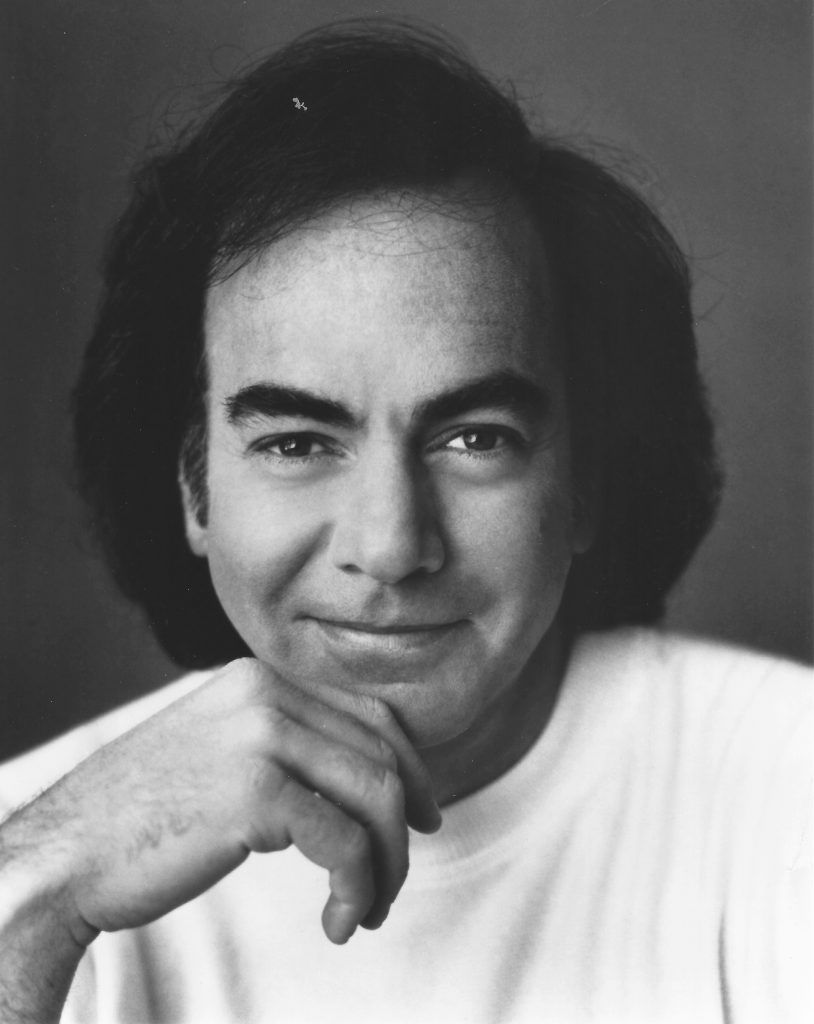
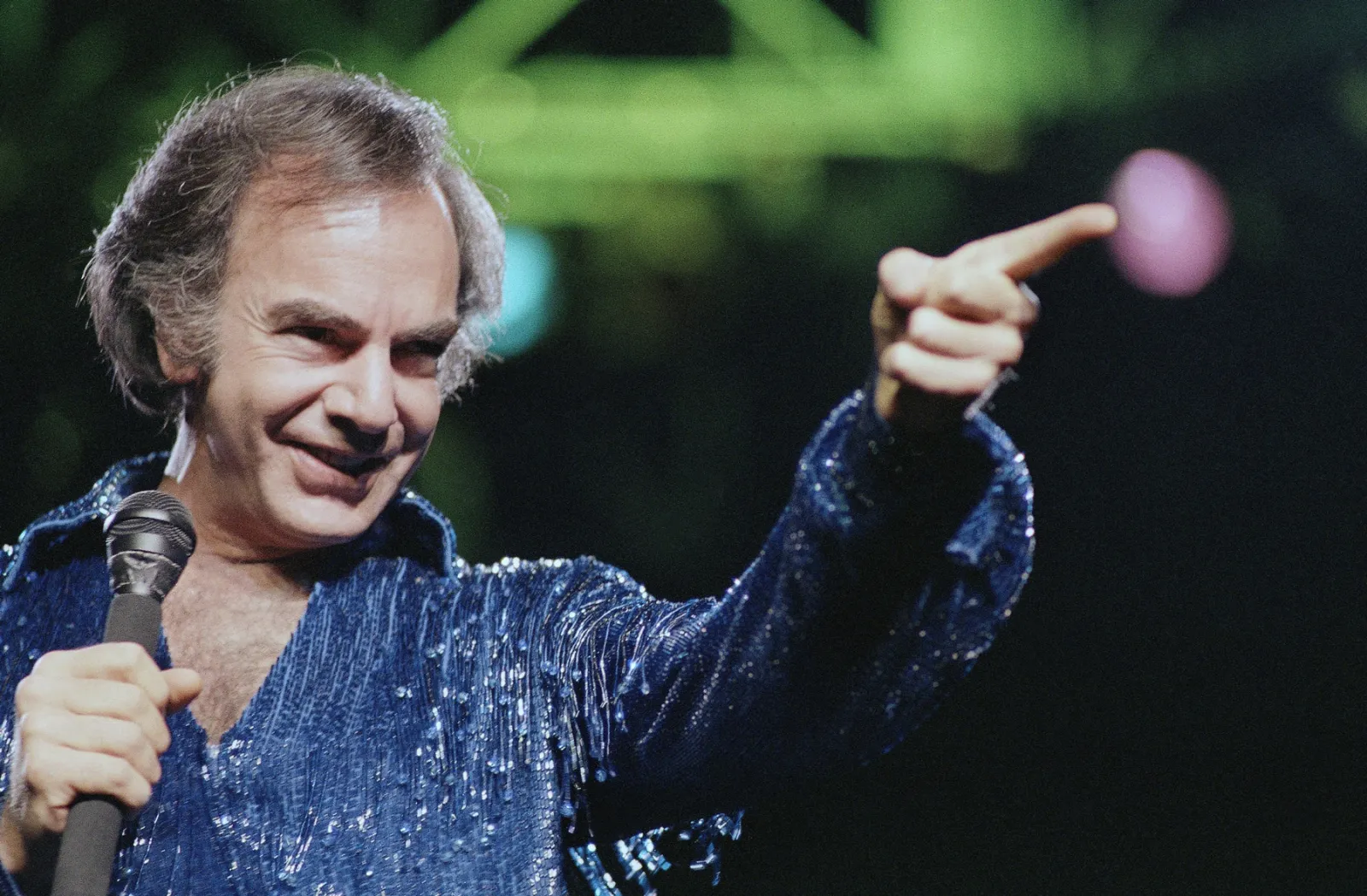
Neil Diamond’s Jerusalem is not simply a song about a city; it is a song about inheritance, longing, faith, and the quiet ache of returning to the part of yourself that never really left.
Among the many memorable recordings in Neil Diamond’s catalog, Jerusalem stands apart with a different kind of gravity. Released in 1980 as part of the soundtrack to The Jazz Singer, it arrived during one of the most visible chapters of Diamond’s career. The soundtrack itself climbed to No. 3 on the Billboard 200, proving just how powerfully the film’s music connected with the public. Yet while other songs from that project drew more radio attention, Jerusalem endured in another way. It was never primarily a chart-chasing pop single in the United States; instead, it became one of those songs that listeners carry inwardly, almost privately, because of what it stirs.
That distinction matters. Some songs succeed by being everywhere at once. Others live longer because they seem to speak directly to the private chambers of memory. Jerusalem belongs to the second kind. It was written and performed by Neil Diamond for The Jazz Singer, a film built around conflict between modern fame and family tradition, between performance and prayer, between the life one builds and the life one inherits. Within that setting, the song does far more than fill a scene. It gives voice to the film’s deepest emotional argument.
To understand the force of Jerusalem, it helps to remember what The Jazz Singer meant for Diamond artistically. He was not merely supplying songs to a soundtrack; he was stepping into a story that touched questions of identity, belief, heritage, and belonging. The film follows a man torn between popular success and the spiritual obligations of family tradition. In that world, Jerusalem becomes a symbol of origin and conscience. It is both a place and something larger than place: a moral memory, a sacred inheritance, a home of the spirit.
Musically, the song is striking because it does not hurry. There is a ceremonial weight to it, a sense of measured ascent, as if the melody itself is climbing toward something worthy of reverence. Neil Diamond had always known how to project passion, but here he reaches for something more solemn. He does not sing Jerusalem as a pop entertainer chasing applause. He sings it like a man trying to stand still long enough to hear what history, faith, and memory are asking of him. That is why the performance still lands with such force. The arrangement carries a near-hymnal dignity, yet Diamond’s voice keeps it human, warm, and vulnerable.
The meaning of Jerusalem is often felt before it is analyzed. On the surface, the title points to one of the most spiritually resonant cities in the world, a place layered with devotion, sorrow, hope, and centuries of longing. But in the song, Jerusalem is not reduced to geography. It becomes an emblem of return. It suggests the pull of roots, the call of tradition, and the enduring wish to reconnect with what gives life its moral center. That is why the song can reach listeners even if they are not approaching it from the same religious or cultural background. The emotional truth is universal: nearly everyone knows what it means to feel drawn back toward something sacred in memory.
There is also something deeply personal about the recording when placed inside Diamond’s own life and artistic temperament. Born into a Jewish family, Neil Diamond was no stranger to the emotional vocabulary of heritage and spiritual belonging. In Jerusalem, those themes do not feel borrowed or decorative. They feel lived-in. That sincerity is essential. A lesser singer might have made the song sound grand in a hollow way. Diamond gives it conviction. He understands that songs about identity are most moving when they remain intimate, even when they are reaching toward the eternal.
It is worth noting, too, that Jerusalem emerged from a soundtrack that included more immediate commercial titles. That contrast may be one reason the song’s reputation has grown quietly over time. Listeners who first came to The Jazz Singer for the bigger, more radio-friendly moments often discovered that Jerusalem was the piece that stayed with them longest. It is the song that seems to deepen as years pass. What may once have sounded simply stirring begins to sound reflective. What once felt cinematic begins to feel personal. That is the mark of a lasting performance.
In the broader story of Neil Diamond’s work, Jerusalem reveals an artist capable of much more than hooks and hit choruses. It shows his instinct for emotional architecture, for building a song that carries history inside it. It reminds us that his greatest strength was not only melody, but emotional clarity. He knew how to sing from the place where pride, tenderness, memory, and yearning meet. Few artists of his era could make a song feel both public and private in the same breath. Diamond could.
And perhaps that is why Jerusalem still resonates. It does not ask for attention through flash or novelty. It asks for stillness. It asks the listener to remember that some songs are not meant to dominate the room; they are meant to illuminate it. In a career filled with towering anthems and beloved singalongs, Neil Diamond gave this song a different kind of power. Jerusalem remains one of his most heartfelt meditations on identity, faith, and the enduring pull of home, and time has only made that truth more visible.